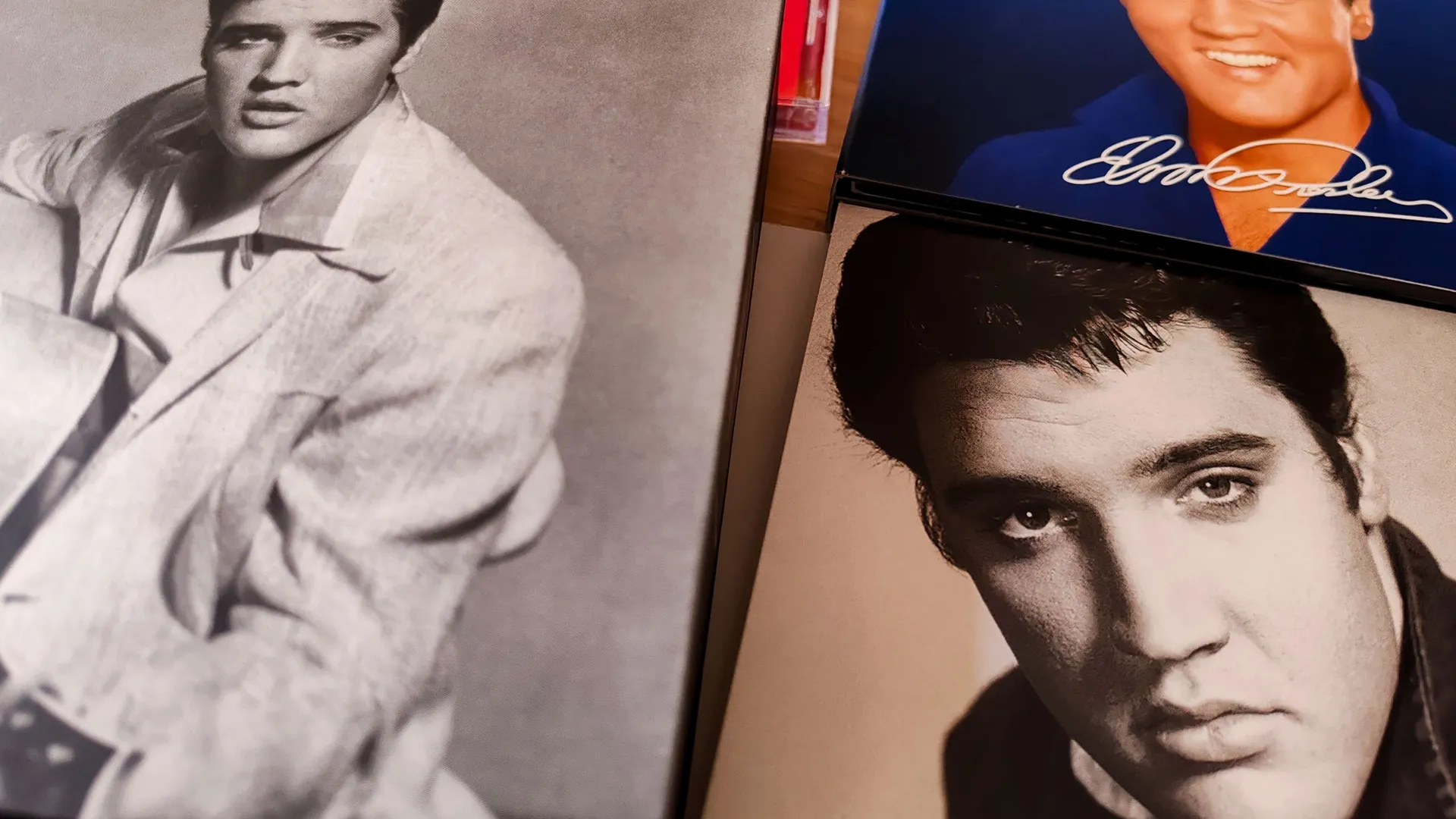
It’s not all that shocking to come across another story where an AI company is getting sued for something.
What’s become even more common in that regard is the growing number of legal cases where AI companies are being brought to court for using copyrighted music without permission. The practice of AI companies allegedly using artists’ song catalogs to train their AI models, voice cloning of certain singers and AI music being created in a real-world artist’s style are coming up as legal battles as of late.
The latest case of that can be tied to Elvis Presley and the owners of his music catalogue putting AI company Anthropic in their legal crosshairs. And Anthropic has been roped into this lawsuit because it’s being alleged that they’re using the iconic singer’s music to train their AI models without getting any permission from the rights holder.
Here are some extra details about that lawsuit, plus a few other instances of AI companies getting sued for similar unauthorized practices concerning a musician’s catalogue.
The owners of Elvis Presley’s music see Anthropic as “nothin’ but a hound dog”
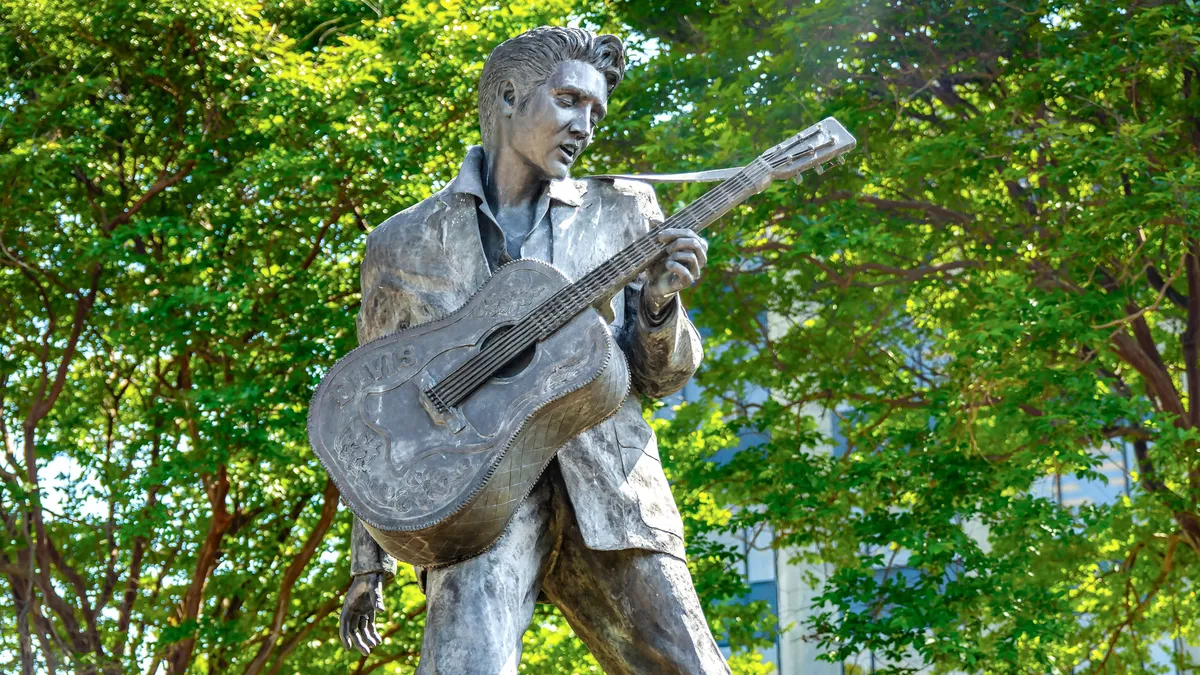
As first reported by Billboard, Authentic Brands Group, the licensing group that has ownership of both Presley’s music and likeness, has filed a lawsuit against Anthropic. The lawsuit accuses the AI company of infringing upon the rights to 274 songs by Presley by using them to train its models. Some of the songs mentioned as the ones being used unlawfully include “Can’t Help Falling in Love,” “All Shook Up” and “A Little Less Conversation.” The Elvis plaintiffs are seeking $150K for all the infringed tracks, which comes out to a total of $41 million.
The Elvis case isn’t even the first time Anthropic has been caught in legal trouble over the unauthorized use of someone’s music. Earlier this year, in August, Round Hill Music filed a copyright infringement lawsuit against Anthropic and Suno.
In a press release announcing the lawsuit, Round Hill stated that the following musical works have been used by both AI companies to train their models without proper authorization, licensing or compensation: "Iris" by the Goo Goo Dolls, "Total Eclipse of the Heart" by Bonnie Tyler, written by Jim Steinman, and "I Got You (I Feel Good)" by James Brown.
Just by checking out the Dramatists Guild page for relevant AI cases that are connected to AI Music Platforms will highlight several ongoing legal battles. Another one of those major cases involves UMG, WMG, and Sony filing suit and alleging that AI music startup Udio trained its generative AI models on their copyrighted recordings without permission. UMG and WMG have actually settled with Uncharted Labs (the parent company behind Udio), while also establishing licensing partnerships for training Udio. However, Sony has chosen to continue its lawsuit.

It’s also worth noting that musical artists Jason Isbell, Guy Forsyth, Ed Calle, and David Lowery have joined forces to file a class action lawsuit against Suno. Also reported by Billboard, the case’s plaintiffs allege that Suno is violating their rights of publicity under numerous state statutes, which is different from the current copyright lawsuits between Suno and other music rights holders.
Here’s a statement from that lawsuit that explains the main complaint at the heart of its case:
“Suno’s system recognizes ‘Jason Isbell’ as far more than a mere text string; it is a retrieval key for a set of performer-specific representations that it can use to generate a response associated with that musician. From a name prompt alone, a user receives a multi-modal experience evoking that named musician. This includes access to a generated song like one the named musician might create, a description of the musician’s attributes and a related image. This is true for countless other musicians.”
Other music publisher vs. AI company cases worth keeping an eye on are Reservoir Media vs. Anthropic and Suno (which involves the infringement of songs by Joni Mitchell, Johnny Cash, Madonna and more being used to train AI models) and BMG vs. Anthropic (which involves the copyright lyrics of artists Bruno Mars and The Beatles to do the same).
Bottom line
With so many cases of AI companies allegedly using the copyrighted works of musicians to train their models without getting permission from the music labels or rightful owners, I wouldn’t be surprised to see even more of them popping up over time.
Back in 2024, major artists such as Billie Eilish, Nicki Minaj, Jon Bon Jovi and over 200 other musicians signed an open letter warning against the “predatory use of AI” in the music industry. And with the likes of SZA and Kenneth Blume calling out the use of their music to train AI, it’s clear that the music industry and its performers aren’t all that keen on the practices of AI companies.

Follow Tom's Guide on Google News and add us as a preferred source to get our up-to-date news, analysis, and reviews in your feeds. Subscribe to Tom's Guide on YouTube and follow us on TikTok.
More from Tom’s Guide
- 12 AI models were asked what they really think about humans — and almost all agreed on one uncomfortable truth
- ‘Some things only you can do’ — this expert reveals when you should and shouldn’t use AI when looking for a new job
- Will your neighborhood flood during a hurricane? An expert explains how AI can predict vulnerable areas before extreme weather strikes