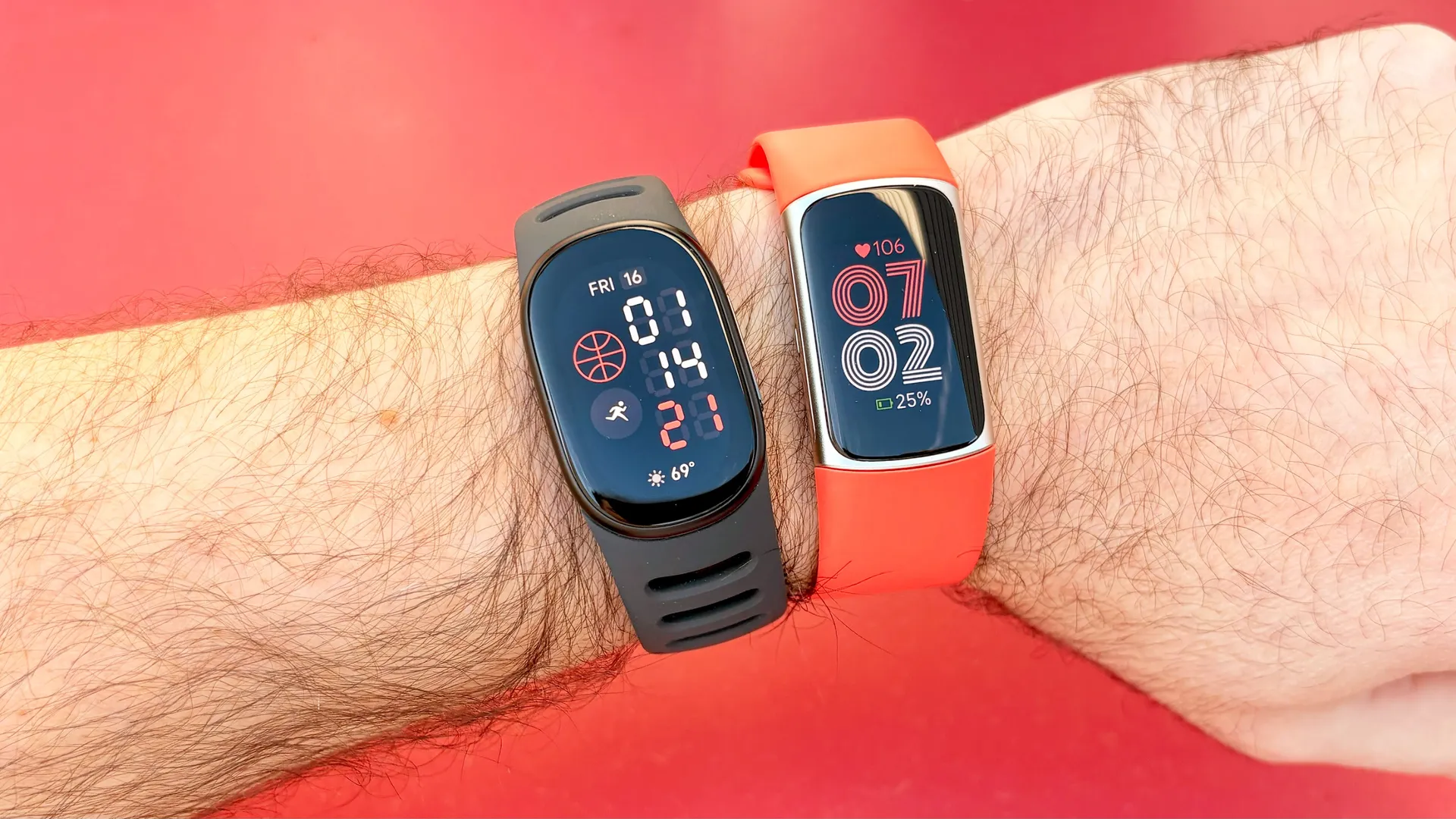
I'm reviewing the new Fitbit Edge, Google's follow-up to the 2023 Fitbit Charge 6, one of the best fitness trackers we've tested.
In terms of upgrades, the Edge has a lot going for it, including several important new health and safety features, welcomed design improvements, and enhanced outdoor tracking capabilities.
It's not all lollipops and ice cream, though. The Fitbit Edge comes up short in one key area versus the Fitbit Charge 6; read on to find out which one that is. But first, here are the three biggest reasons why the Fitbit Edge beats the Fitbit Charge 6.
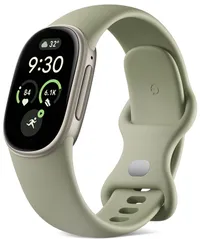
1. A bigger, better screen
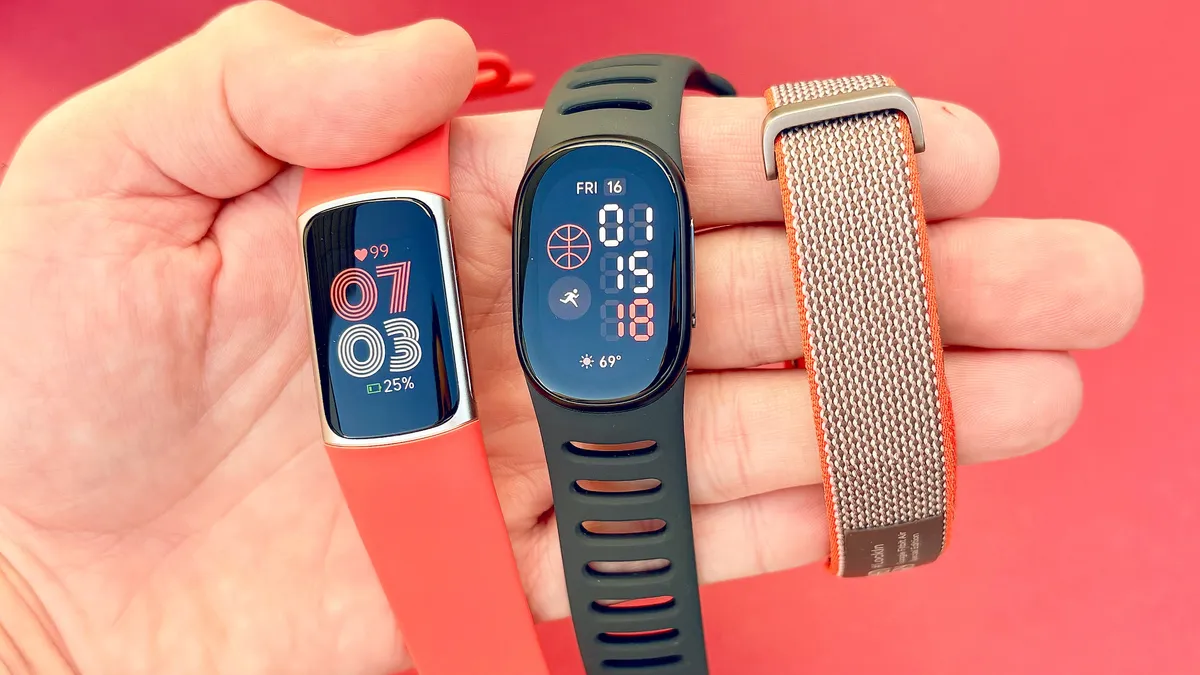
The Fitbit Charge 6's 1.04-inch AMOLED touchscreen isn't the smallest I've encountered on a modern fitness tracker, but it's far from the biggest. Translation: interacting with it can be a tad fumbly for those with big fingers, and squint-inducing for farsighted folks.
This is much less the case with the Fitbit Edge, which features a noticeably roomier 1.34-inch AMOLED screen. Roughly twice the maximum brightness output means the Fitbit Edge is also easier to read than the Fitbit Charge 6 in direct sunlight.
2. More advanced health features
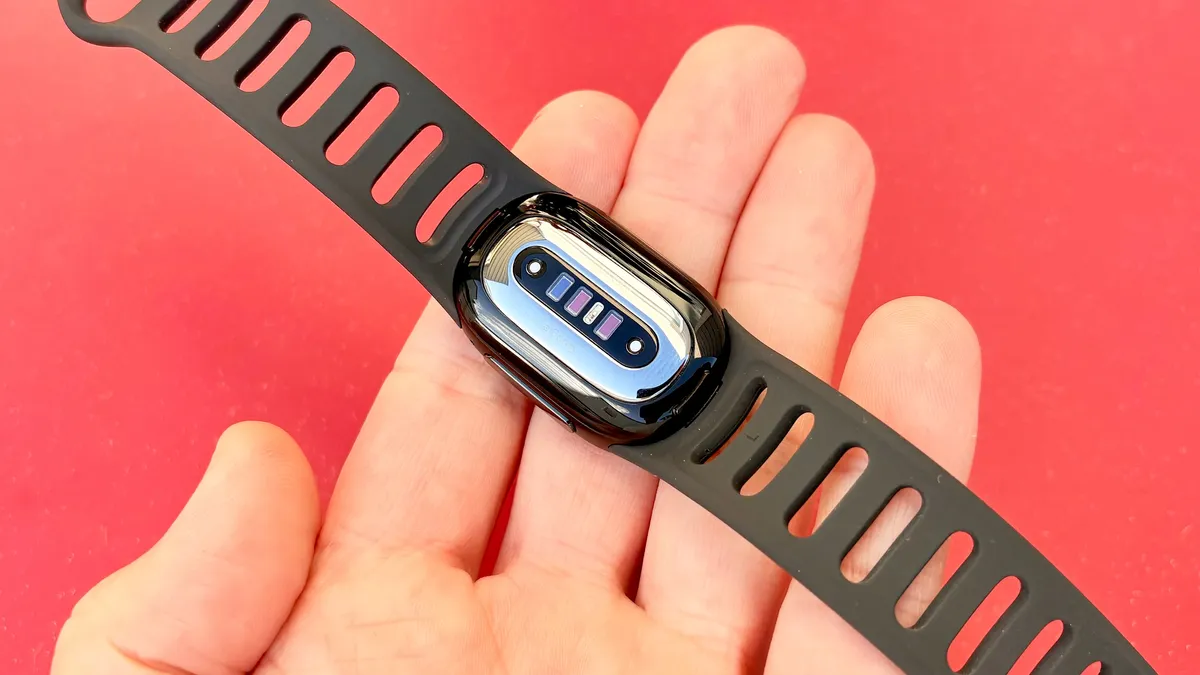
Both the 2023 Fitbit Charge 6 and 2026 Fitbit Edge work with Google's recently overhauled Google Health app, which replaces the old Fitbit app. Regardless of which tracker you wear, you'll be greeted with daily insights into your sleep quality, energy levels, heart rate, blood oxygen saturation (SpO2), body temperature trends, and more.
You can also perform ECG readings using either Fitbit, but only the Fitbit Edge supports Google's new insulin resistance and blood pressure trend reports. The Edge additionally has important health safety tools absent from the Charge 6, including Loss of Pulse Detection and Breathing Emergency Alerts.
3. Onboard altimeter for elevation tracking
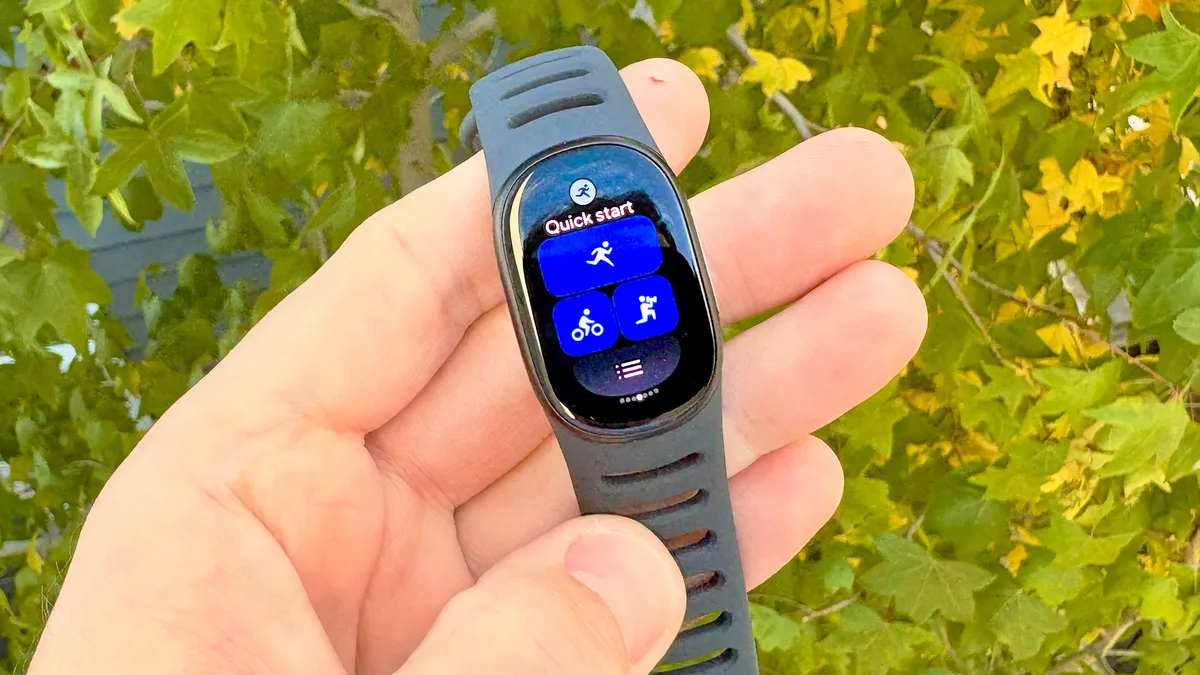
As a lover of outdoor mountain adventures, including hiking, skiing, snowmobiling, and more, I'm thrilled that Google added a barometric altimeter to the Fitbit Edge, something that was noticeably lacking in the Fitbit Charge 6.
While some fitness trackers without onboard altimeters try to guess elevation gain using GPS insights, this method is far from precise, which is probably why the Fitbit Charge 6 doesn't bother to share the metric at all.
Thankfully, the Fitbit Edge does, but how accurate is the new model's elevation tracking performance? You'll have to wait a few more days until I publish the full review to find out!
But only the Fitbit Charge 6 has NFC

While the new Fitbit Edge handily beats its predecessor when it comes to health and fitness tracking chops as well as overall usability and design, the newer model omits one key piece of tech: NFC for contactless payments.
It's ultimately a bit ironic that the 2023 model supports tap-to-pay but the 2026 model doesn't. On the flip side, perhaps Google needed to nix something from the design to make room for the altimeter. If that's the case, I gladly take precise elevation tracking over the ability to pay for things from the wrist.
What are your thoughts on the Fitbit Edge vs. Fitbit Charge 6? Let me know below.

Follow Tom's Guide on Google News and add us as a preferred source to get our up-to-date news, analysis, and reviews in your feeds. Alternatively, you can read our content on the Tom's Guide app available now for iOS and Android.
More from Tom's Guide