

The Fitbit Inspire 3 is Google's four-year-old, entry-level fitness tracker. Originally priced at $99, you can easily pick one up on sale for much less... but should you, especially when newer models like the Fitbit Edge exist?
Howdy, I'm Dan, and I lead our wearable tech coverage at Tom's Guide. Not only am I in the process of reviewing the new Fitbit Edge — which seems potentially destined for our best fitness tracker list — but I'm also a long-time owner of the Fitbit Inspire 3. This is to say, I know both wearables reasonably well.
So how do they stack up? Here's a breakdown of the Fitbit Edge vs. Fitbit Inspire 3 across six categories, including price, design, display, health and fitness, smart features, and battery life.

The Fitbit Edge is Google's latest fitness tracker, boasting a decently sized, bright AMOLED screen and onboard GPS in a small, comfy package. It also supports comprehensive daily sleep tracking reports, Google's latest breathing emergency safety feature, blood pressure and insulin resistance trends, and loss-of-pulse detection.

The Fitbit Charge Inspire 3 is Google's most entry-level fitness tracker, with a small but reasonably bright display, up to ten days of battery, support for common workout types, daily sleep reports, stress tracking, menstrual health tracking, and mirrored smartphone notifications.
Fitbit Edge vs. Fitbit Inspire 3: Cost
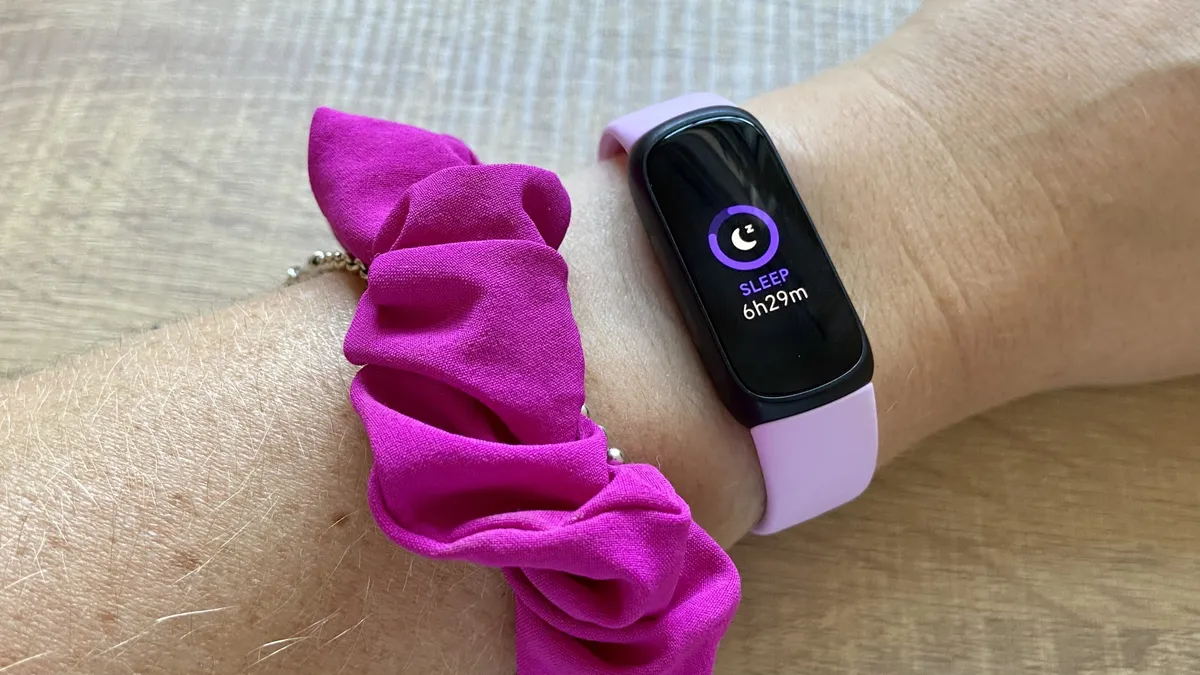
Even at full price, the Fitbit Inspire 3 is a bargain compared to the Fitbit Edge. Of course, since it's also four years old, you're unlikely to pay anywhere near the $99 launch price. For instance, the Fitbit Inspire 3 is just $88 on Amazon right now.
The Fitbit Edge, meanwhile, is a brand new fitness tracker for 2026 and still in the preorder phase of its launch. With units expected to ship at the end of October, the Fitbit will run you $179 at Amazon and at other major retailers.
Winner: Fitbit Inspire 3
Fitbit Edge vs. Fitbit Inspire 3: Design

The Fitbit Edge and Fitbit Inspire 3 look surprisingly similar; the cases are almost identical in height and thickness, though the Edge is taller. The newer model is also nearly double the weight of the Inspire 3. However, it by no means feels bulky or uncomfortable on the wrist (I've been wearing one for nearly a week).
In addition to touch displays — more on that below — each tracker has a single button on the side of the case for navigation. Similar to 2023's Fitbit Charge 6, the Fitbit Inspire 3 sports a haptic button that vibrates slightly (sometimes) when you press it. I'm not a huge fan of this type of control, and much prefer the Fitbit Edge's physical button with actual tactile feedback.
Material-wise, the Fitbit Inspire 3 case is primarily plastic, while the Edge case is recycled aluminum and plastic. Both have 50 meters of water resistance, enough protection for showers and surface-level swims.
Winner: Fitbit Edge
Fitbit Edge vs. Fitbit Inspire 3: Display
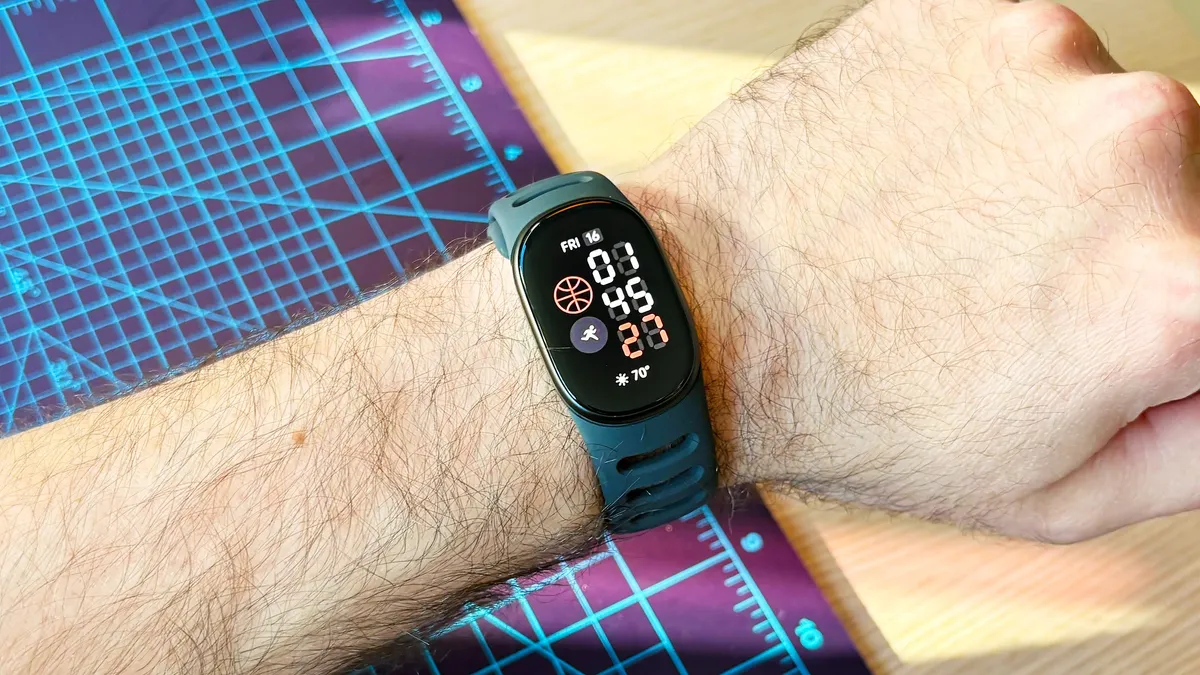
The Fitbit Inspire 3 has a modest 0.76-inch AMOLED screen that's decently bright and well-saturated, though the touch functionality can occasionally feel clunky/unresponsive. By comparison, the Fitbit Edge offers far more screen real estate, despite a somewhat similarly-sized case.
The Edge's 1.34-inch display is crisp, easy-to-read, and responsive. With greater maximum output than its predecessor, the Edge's screen is bright enough to view in direct sunlight without straining your eyes.
Winner: Fitbit Edge
Fitbit Edge vs. Fitbit Inspire 3: Specs compared
| Header Cell - Column 0 | Fitbit Edge |
Fitbit Inspire 3 |
|---|---|---|
Price |
$179 |
$99 |
Launch date |
October, 2026 |
September, 2022 |
Compatibility |
Android, iOS |
Android, iOS |
Dimensions |
39.2 x 25.6 x 11.6 mm |
39.3 x 18.6 x 11.8 mm |
Weight w/ silicone strap |
38.22 g |
20.57 g |
Display |
1.34-inch AMOLED |
0.76-inch AMOLED |
Sensors |
Heart rate, SpO2, Skin temp, ECG, Accelerometer, Gyroscope |
Heart rate, SpO2, Skin temp, Accelerometer, Gyroscope |
GPS |
Yes |
No |
Altimeter |
Yes |
No |
NFC |
No |
No |
Battery life (rated) |
Up to 7 days |
Up to 10 days |
Water resistance |
50 meters |
50 meters |
Fitbit Edge vs. Fitbit Inspire 3: Health and fitness
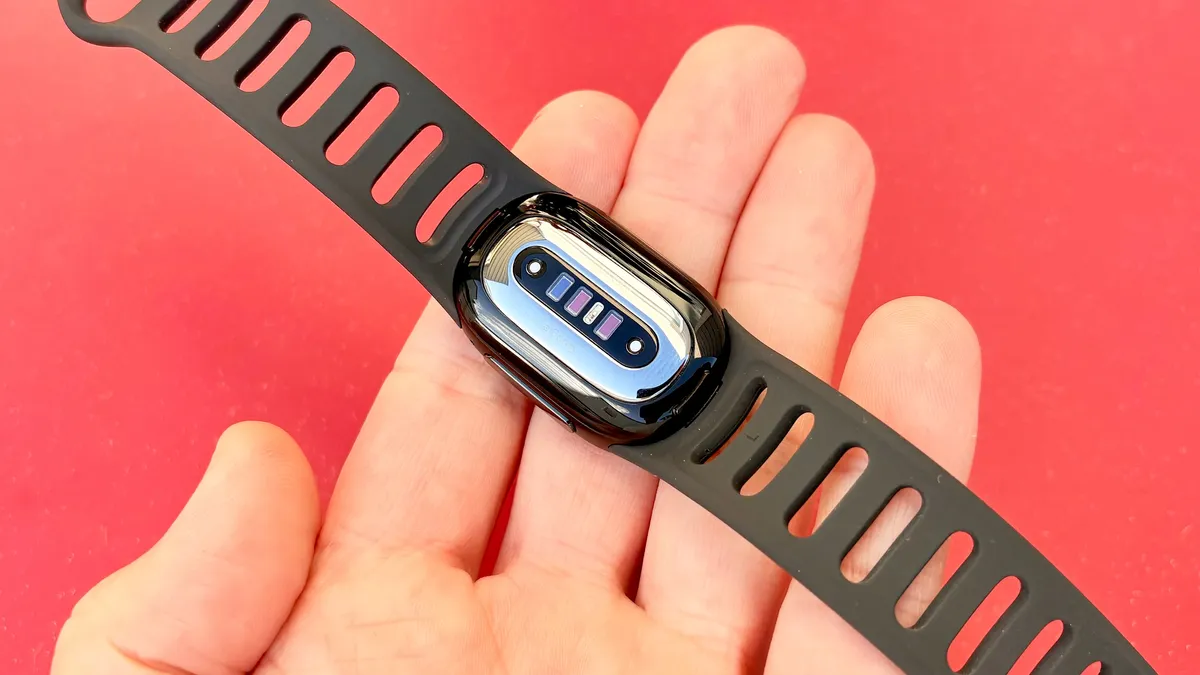
The Fitbit Inspire 3 is a four-year-old entry-level fitness tracker, and even though it covers the basics well, like logging common workouts, daily movement, sleep quality, and overall health, it lacks many of Google's latest and greatest holistic tools.
These include the new insulin resistance and blood pressure trend reports, breathing emergency alerts, and loss of pulse detection. The Inspire 3 additionally lacks the hardware to perform ECG readings. On the flip side, the Edge supports all of these features, and more.
The Inspire 3 also lacks onboard GPS and an altimeter, so users have to carry a paired smartphone for accurate location- and elevation-based metrics when logging an outdoor workout like a run, hike, or bike ride. The Fitbit Edge, meanwhile, has both.
Finally, the Edge supports a ton of additional AI-powered health features courtesy of the Google Health Premium (formerly Fitbit Premium) subscription, which is $9.99 a month or $99 a year. These include personalized training plans, nutrition insights, and even deeper dives into sleep and workout recovery.
Winner: Fitbit Edge
Fitbit Edge vs. Fitbit Inspire 3: Smart features

Both the Fitbit Edge and four-year-old Fitbit Inspire 3 work with Android and iOS, with the ability to mirror notifications and control media playback. But that pretty much rounds out the list of smart features on either.
Sadly, unlike the Edge's predecessor, the Fitbit Charge 6, the newer model lacks NFC for contactless payments. That said, it does play nicely with some other Google apps. For example, the Edge will display Google Maps turn-by-turn directions when using the app on your paired smartphone.
Winner: draw
Fitbit Edge vs. Fitbit Inspire 3: Battery life

Google says that the Fitbit Inspire 3 should last up to ten days per charge, and the Fitbit Edge should cruise for up to seven days. In reality, the Fitbit Inspire 3 averages closer to seven or eight days per charge, assuming you're recording one ~45-minute workout a day.
I'm still testing the Fitbit Edge, but if battery performance is anything like the Fitbit Charge 6 — which is also rated at seven days per charge — I expect the Edge to last a little closer to five or six days.
That said, one clear advantage the newer model has is a faster recharge time: 90 minutes for the Fitbit Edge compared to two hours for the Fitbit Inspire 3 (and Fitbit Charge 6).
Winner: Fitbit Inspire 3
Fitbit Edge vs. Fitbit Inspire 3: Outlook

Ultimately, while the Fitbit Inspire 3 remains a fairly competent budget fitness tracker in 2026 for keeping tabs on basic workouts, well-being, and sleep quality, the Fitbit Edge is in numerous ways a more capable device in a similar-sized package with a bigger screen and better overall usability.
But if you're still not sold on the Fitbit Edge over the Fitbit Inspire 3, I reccomend taking a look at my Fitbit Air vs Fitbit Inspire 3 comparison. Not only does the Fitbit Air support a lot of the same groundbreaking Google health features as the Edge, but it's also just $99 and even smaller/lighter than the Inspire 3 (though it lacks a screen)
Overall winner: Fitbit Edge
Follow Tom's Guide on Google News and add us as a preferred source to get our up-to-date news, analysis, and reviews in your feeds. Alternatively, you can read our content on the Tom's Guide app available now for iOS and Android. Subscribe to Tom's Guide on YouTube and follow us on TikTok. Finally, you can visit our dedicated Tom's Guide Savings Squad hub for expert help on getting the best products for less.
More from Tom's Guide