ChatGPT and Claude are two of the biggest names in AI, and both have become significantly more capable within the last few months. Whether you need help writing an email, researching a topic, creating an app or managing your workload, both chatbots can handle far more than simple questions and answers. But despite their similarities, OpenAI and Anthropic have taken different approaches to building their AI assistants.
ChatGPT has evolved into an all-purpose assistant with tools for everything from image generation and voice conversations to coding and research. Claude has become hyper-focused on writing, programming and helping users complete more complicated tasks through its growing collection of productivity tools.
Now that Anthropic has gone public, people are beginning to wonder what is so special about the company's AI known as Claude.
I've spent plenty of time testing both, and while there's considerable overlap between what they can do, there are some differences worth understanding before deciding which one deserves your time and money.
Here are five of the biggest differences between Claude and ChatGPT.
1. Claude has an edge in natural writing
Claude has developed a reputation for producing natural-sounding text that is especially true for longer pieces. It's also good at following detailed writing instructions and maintaining a consistent tone and style across multiple rounds of editing.
And while ChatGPT is no slouch when it comes to writing, either, it has the advantage of flexibility. You can ask it to rewrite something in five different tones, brainstorm headline ideas or transform a complicated explanation into something a beginner can understand.
So, while Claude may be the better starting point for someone writing a novel or polishing a lengthy document, ChatGPT is especially useful when experimenting with different approaches.
Of course, writing quality is subjective. The results also depend on which model you're using and how clearly you explain what you want.
2. You can create images with ChatGPT
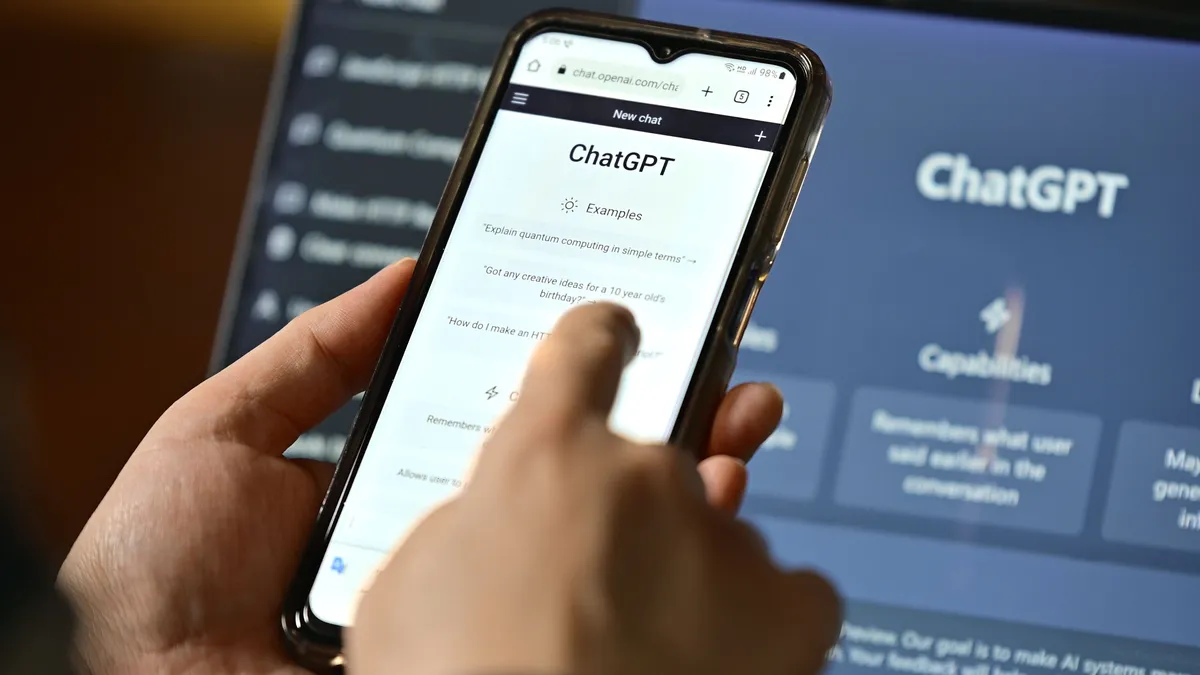
One of ChatGPT's biggest advantages is how many different types of tasks it can handle within the same experience.
Alongside traditional text conversations, ChatGPT supports image generation and editing. You can describe a picture you want to create, upload an existing image to change its appearance or use the chatbot to develop visual concepts.
ChatGPT also offers voice conversations, so users can speak naturally with the assistant instead of typing everything into a chat window.
Claude has expanded its creative capabilities, too, particularly through Artifacts, which lets users create interactive content, visualizations and applications.
However, Claude's creative tools are more focused on building useful digital experiences than generating standalone images.
For anyone who regularly switches between writing, visual creation and spoken conversations, ChatGPT offers a more versatile experience.
3. Claude Code and OpenAI's Codex code differently
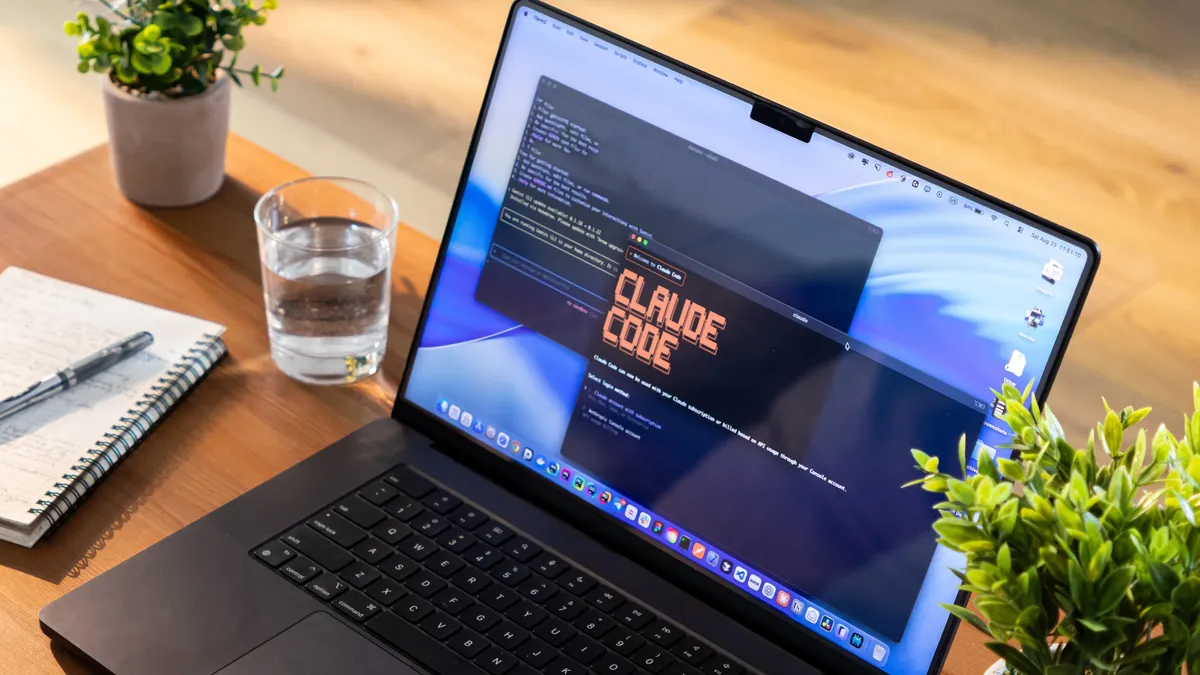
Coding or "vibe coding" has become one of the biggest battlegrounds between Anthropic and OpenAI.
Claude Code is Anthropic's coding agent, designed to work directly with codebases, understand existing projects, make changes and help developers solve complicated programming problems.
It has become particularly popular with developers who want an AI assistant that can work inside their existing development environment.
OpenAI's answer is Codex, which can also navigate repositories, write code, fix bugs and handle development tasks.
Both tools go well beyond generating snippets of code in a chatbot. They can take on larger assignments and work through multiple steps of a project.
The biggest difference is often how developers prefer to work. Claude Code has strong roots in terminal-based development, while Codex offers workflows across different development environments and agent-based tasks.
For casual users who occasionally need help building a website or debugging a script, either chatbot can be useful. Developers working on larger projects may find that their preferred coding agent becomes the deciding factor.
Personally, I tend to hit my usage limits and blast through tokens faster with Claude Code,
4. Claude is leaning into the AI coworker concept
One of the most interesting changes to Claude is Anthropic's growing focus on turning the chatbot into a coworker.
With Cowork, Claude can take on more complicated assignments involving files, documents and connected tools. Rather than walking through every step in a conversation, users can describe the outcome they want and let Claude work through the assignment.
For example, someone could ask Claude to organize project materials, work through a collection of documents or prepare files for a presentation.
ChatGPT is moving in a similar direction with its own agent capabilities, including ChatGPT Work and Codex.
The difference is how these experiences are organized and presented to users. Anthropic has emphasized the idea of Claude as a digital coworker that can take responsibility for larger assignments. OpenAI has built a broader ecosystem that includes conversational assistance, research, creative tools and specialized agents.
Neither approach is inherently better, but if you're looking for an AI assistant to do more than answer questions, knowing the difference is important.
5. ChatGPT has a cheaper entry-level subscription
Price is another consideration, particularly if you're not sure how often you'll use an AI chatbot.
Both companies offer free access, although usage limits and available features vary.
ChatGPT Plus and Claude Pro each cost $20 per month in the United States. ChatGPT also offers a lower-priced Go subscription for $8 per month, giving users another option between the free and Plus tiers.
Claude offers annual billing for Pro, which can reduce the effective monthly cost for users willing to commit to a full year.
Of course, usage limits, access to more powerful models and included tools can make one subscription more valuable than another. For example, if you think you're going to be creating more images and want that type of creativity from a model, than you'll want to go with ChatGPT.
At the same time, if you're a casual user looking for an affordable upgrade, ChatGPT offers more flexibility in its pricing. But, if you rely heavily on Claude's writing and coding capabilities, Pro may be worth the investment.
Final thoughts
Here's some good news: you don't have to choose between one or the other. Because ChatGPT offers so much for free, it might be worth sticking with it. But, if you find yourself going through tokens much faster with Claude, you might want to consider bumping up your subscription to a paid tier.
I use both agents for different things, which brings me to another point. The bigger question is what you want your AI assistant to do.
Claude is particularly appealing for people who spend their days writing, coding or working through complicated projects. Its emphasis on natural language and increasingly capable agent tools makes it a strong choice for serious productivity work.
ChatGPT offers a broader experience. Between image generation, voice conversations, research, coding and its growing collection of productivity features, it's designed to serve as an assistant for almost anything.
If you want one AI chatbot that can handle the widest variety of everyday tasks, start with ChatGPT. If your priorities are writing, coding and managing complex workflows, Claude deserves a serious look. And since both offer free versions, the easiest way to decide is to give them the same five prompts and see which one delivers the results you actually prefer.

Follow Tom's Guide on Google News and add us as a preferred source to get our up-to-date news, analysis, and reviews in your feeds. Subscribe to Tom's Guide on YouTube and follow Tom's Guide Entertainment on TikTok and Instagram.
More from Tom's Guide