




Update (Feb 16): After briefing journalists about the Android 17 beta launch coming on February 11th, Google ended up postponing the launch from the 11th to February 13th. All other details remain the same.
The next generation of Android is officially here, as Google today released the first beta of Android 17.
In the accompanying Android Developers blog post, Google's VP of Product Management, Android Developer, Matthew McCullough, writes how Android 17 is "continuing our work to build a platform that prioritizes privacy, security, and refined performance."
McCullough goes on to explain: "This build continues our work for more adaptable Android apps, introduces significant enhancements to camera and media capabilities, new tools for optimizing connectivity, and expanded profiles for companion devices."
A lot of the post is focused on in-depth details about Android 17's inner workings, as you'd expect from a post on a developer blog about in-development software. Luckily for you, we've set our jargon translator to maximum power to explain what all these new tools could mean for the end users of Android phones around the world.
Who can get the beta?
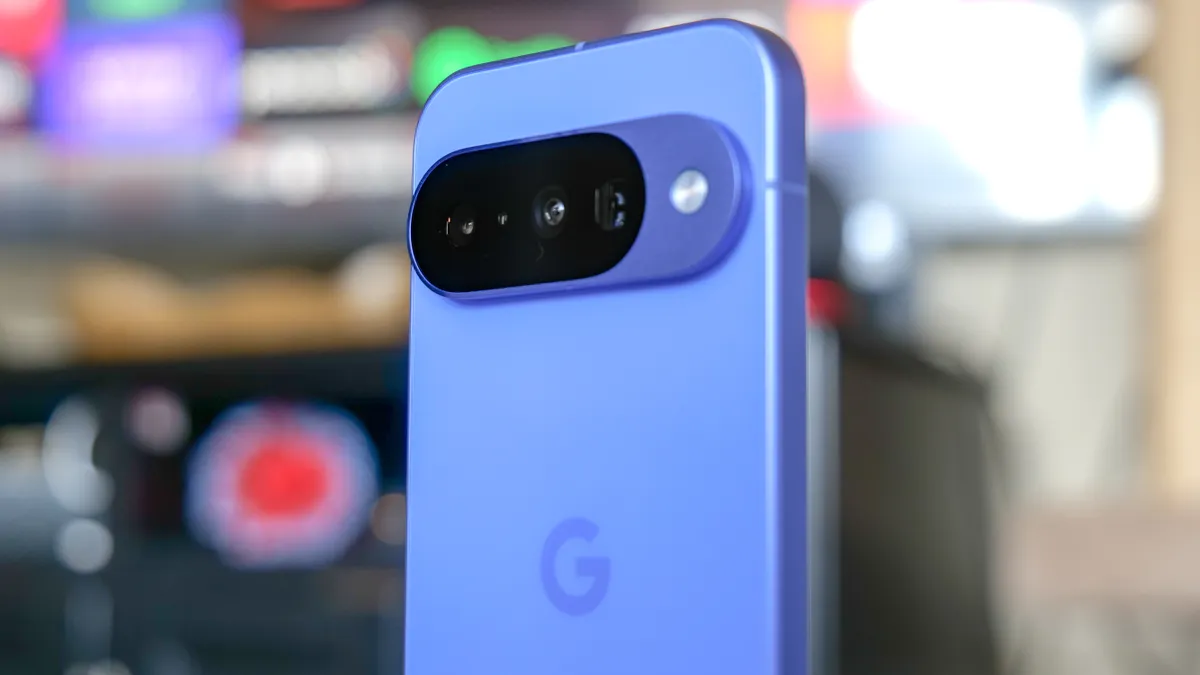
As of the announcement, any Google Pixel 6 or later model is able to get the update. Just go to the Android beta website, make sure you're signed into the Google account on the phone you want to use, and then select it from the device list at the bottom of the page.
If you're really geeky, you can also run it in Android Studio, the official developer app.
What's in the beta?
Android betas like this don't come with fully-finished features from the off. But we can still figure out what might be combing based on what the blog is promoting to developers.
For one, developers now have to ensure their apps work on foldables, tablets and desktop just as well as they do on regular phone screens. Users still have final control over how apps look on their plus-sized devices, but the devs have to accommodate all options.
A new default method for running keyboards, navigation, color profiles and touchscreen operation that means they don't reset when a user rotates or folds/unfolds.

For photography, a new configuration method will apparently make switching between camera modes and functions smoother, by making the underlying code simpler and more memory-efficient. Hopefully that annoying lag you get when switching between camera lenses will be reduced or eliminated by this change, making it much easier to grab snapshots at the perfect moment.
Looking to health next, Android 17 adds an option for devs to manage sound levels across apps according to the CTA-2075 standard. It's all too easy to cause hearing discomfort.
Users with medical devices they want to pair to an Android 17 device will now get a one-tap option to accept all the necessary device permissions, making it much easier to pair something like a hearing aid. Fitness trackers are also getting a unique profile to help apps and users correctly identify what device is connected to what.
Interesting miscellaneous changes include a number of privacy updates to make Android 17 devices more secure overall, and give users more control over which apps and features can access what data. There are also a new development option for XR devices, which will hopefully prove useful for the next generation of Samsung Galaxy XR and any other Android-powered headsets we see in the future.
According to Google’s timeline, it has set itself the ambitious goal of achieving Platform Stability by March - the milestone where Android's developers start to consider features locked and ready for full release.
When will Android 17 be ready?

The main Android 17 update will come in Q2 2026, according to Google's goals, which could mean any time up to the end of June. A minor update is then planned for the end of the year, with two smaller quarterly updates scheduled for the Q3 2026 and Q1 2027 windows

However, this is just Google's basic version of Android 17 we're talking about. While Pixels will be able to download the update straight away, phones from other manufacturers will likely take a few more months to work on their particular version (like Samsung's One UI or OnePlus' OxygenOS) before releasing it. And even after that, you could be left waiting longer, depending on how your phone's manufacturer prioritizes rolling out updates to your particular model. It's best to prepare for a long wait.
Android betas may seem a bit dry compared to the kinds of features Apple shows off for iOS every year at WWDC. But while Apple is designing its own software for its own phones, Google is making a platform for dozens of other companies to work off of.
So even if Android 17 sounds a little plain right now, it may well provide the foundations required for your next favorite feature from Samsung, OnePlus, Motorola or another phone maker.

Follow Tom's Guide on Google News and add us as a preferred source to get our up-to-date news, analysis, and reviews in your feeds.
More from Tom's Guide

