Ever notice how your home seems to collect dust way faster in winter? You just cleaned yesterday, and already there's a fresh layer on every surface. It's not your imagination. Winter actually does make your home dustier, and there are specific reasons why.
When you crank up the heating, the dry air circulating through your home stirs up dust particles and keeps them airborne longer. Plus, you're keeping windows closed, meaning less fresh air circulation and more trapped dust. Add in more time spent tracking in dirt, shedding skin cells, and wearing cozy fabrics that shed fibers, and you've got the perfect storm for dust buildup.
A few strategic changes to your routine and your home setup can drastically cut down on winter dust. Here's how to tackle the problem at the source.
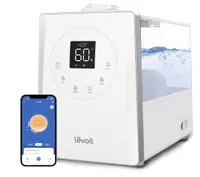
1. Run a humidifier to keep dust from floating

Dry winter air is one of the biggest culprits behind increased dust. When humidity drops below 30-40%, dust particles become lighter and stay airborne longer instead of settling on surfaces where you can wipe them away. Running a humidifier adds moisture back into the air, which makes dust particles heavier so they fall to the ground faster.
You don't need a huge expensive unit — even a small humidifier in your main living space or bedroom makes a noticeable difference. Aim for humidity levels between 30-50% to reduce dust while avoiding issues like mold or condensation. Many humidifiers have built-in hygrometers that show you the current humidity level, making it easy to maintain the right balance.
2. Change your HVAC filter more frequently

Your heating system is constantly circulating air through your home in winter, and if the filter is clogged with dust, it's just blowing dirty air around. Standard advice says to change filters every 90 days, but in winter when your heat runs constantly, you should check it monthly and replace it every 4-6 weeks.
A clean filter traps dust, pet dander, and other particles before they can circulate through your home. Upgrade to a higher MERV rating filter (8-11 for residential use) if your system can handle it — these catch smaller particles than basic filters.
Check your HVAC manual before upgrading to make sure the higher-rated filter won't restrict airflow too much for your system.
3. Vacuum with a HEPA filter
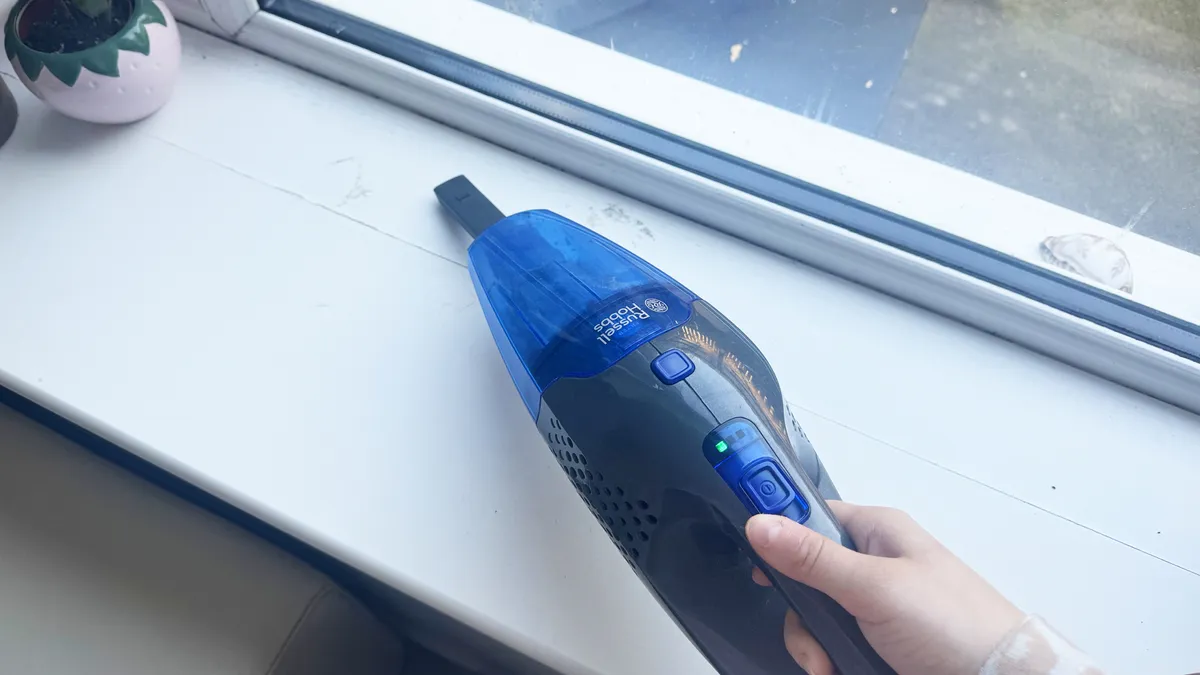
Dusting with a cloth just moves dust around and sends particles back into the air where they resettle minutes later. Vacuuming with a HEPA filter actually removes dust from your home instead of redistributing it. Use your vacuum's attachments to hit surfaces you'd normally dust — shelves, baseboards, windowsills, and furniture.
Go over high-traffic areas like entryways and living rooms at least twice a week in winter. If you don't have a HEPA vacuum, slightly dampen your dusting cloth so it catches dust instead of spreading it. Microfiber cloths work better than feather dusters or regular rags because their texture traps particles instead of flinging them into the air.
4. Keep a mat at every entrance

You track in way more dirt and dust in winter than you realize. Snow, salt, mud, and grit from roads and sidewalks all get carried into your home on shoes and boots. Place a large, absorbent mat both outside and inside every entrance you use regularly. Make it a house rule to wipe feet thoroughly or take shoes off at the door — it sounds obvious, but actually enforcing it makes a massive difference.
Keep a small boot tray or shoe rack right by the entrance so it's convenient. The less outdoor debris you bring in, the less you'll have to clean up later. This one simple habit can cut your winter dust problem in half.
5. Wash bedding and throws weekly
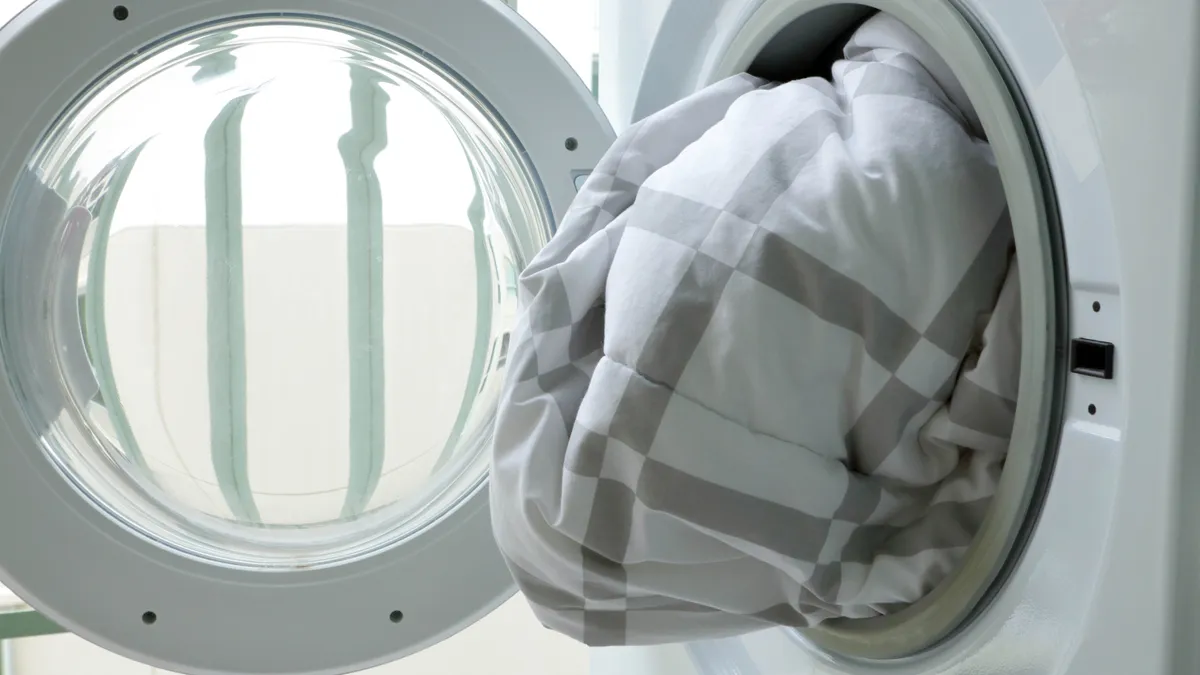
You're spending more time indoors under blankets in winter, which means more fabric fibers, dead skin cells, and general debris building up on soft surfaces. Wash your bedding weekly instead of every two weeks, and toss throw blankets and pillow covers in the laundry more frequently too.
Before washing, shake blankets and comforters outside if possible to release trapped dust instead of sending it into your washing machine. If you have pets that spend time on furniture, vacuum upholstered surfaces weekly with an upholstery attachment.
All that fabric in your home isn't just cozy — it's a dust magnet that needs regular cleaning to keep your space fresh.

Follow Tom's Guide on Google News and add us as a preferred source to get our up-to-date news, analysis, and reviews in your feeds.
More from Tom's Guide
- Can your humidifier be the secret to beating the winter chill?
- Households urged not to pour boiling water down drains this winter
- Expert shares forgotten spots in your home that guests notice aren't clean