My lawn is a colorful mix of yellow, gold, and russet tones, draped in a thick layer of fallen leaves from my trees. And while I’m tempted to grab my garden rake and clear them up so I can see my lawn again, an expert urges gardeners to think twice before clearing them away.
Instead of raking my leaves into piles and tossing them in the garden trash, Craig Wilson, co-founder and garden expert at Gardeners Dream, shares how to reuse them to prevent weeds.
A free weed suppressant

Rather than discarding fallen leaves, Wilson recommends shredding them into a natural mulch to place around plants to suppress weeds.
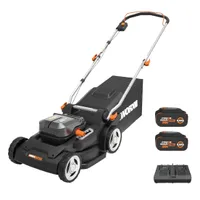
So what's the best way to shred leaves? Wilson explains, “Allow dry leaves to build up, then run over them with a lawnmower to shred them into smaller pieces.
I tend to place leaves on my beds without shredding them first, so I asked Wilson why he recommends breaking them down.
Shredding them first helps the leaves break down more easily and reduces the risk of whole leaves forming a thick, compacted layer
Craig Wilson, Gardeners Dream
“Shredding them first helps the leaves break down more easily and reduces the risk of whole leaves forming a thick, compacted layer,” he explains.
And he adds, “The smaller pieces are easier to spread around flower beds and established plants and will generally break down more readily than whole leaves.”

Top tip
If you shred leaves with a lawnmower, make sure you’ve left them to dry out before mowing over them—it will help you cut through them effectively.
Leaves are much more than a weed suppressant

Beyond forming a layer to suppress weeds, Wilson also shares how fallen leaves can boost your soil. He explains they “help to retain moisture and regulate an appropriate temperature for the season.”
So instead of thinking of fallen leaves as garden waste, he says gardeners should see them as a free resource they can return to the soil.
3 mistakes to avoid with fallen leaves
1. Don't leave thick layers on your lawn

While shredded leaves can benefit flower beds, don’t let whole, wet leaves sit heavily on your lawn.
Wilson says, “A thick covering can block light and air from reaching the grass, so rake or remove them regularly.”
Apart from blocking photosynthesis and discouraging lush green grass, heavy layers of leaves trap moisture, encouraging snow mold and root rot. What’s more, a lack of oxygen and nutrients weakens the roots, and your lawn may start to turn yellow, with bare patches appearing. A damaged lawn also takes longer to recover when the warm weather returns.
2. Not removing diseased leaves
Wilson warns that you shouldn’t put every fallen leaf back into the garden. “If leaves are showing obvious signs of disease, it is better to remove and dispose of them appropriately rather than spreading them around your flower beds.”
Removing diseased leaves can help reduce the risk of carrying problems into the following growing season.
3. Being too tidy
I’m a tidy gardener, but Wilson warns against being too precise with your yard in fall. “It’s tempting to completely clear the garden before winter, but you don't need to remove every piece of natural debris. In suitable areas, leaving some leaves, stems and other plant material undisturbed can provide shelter for wildlife over the colder months.”
He says the key is to be selective with how much you tidy, “Keep your lawns and paths clear and make use of healthy leaves as mulch, and leave suitable, less-formal areas a little more natural to create that magical fall feeling.”

Follow Tom's Guide on Google News and add us as a preferred source to get our up-to-date news, analysis, and reviews in your feeds.
More from Tom's Guide