



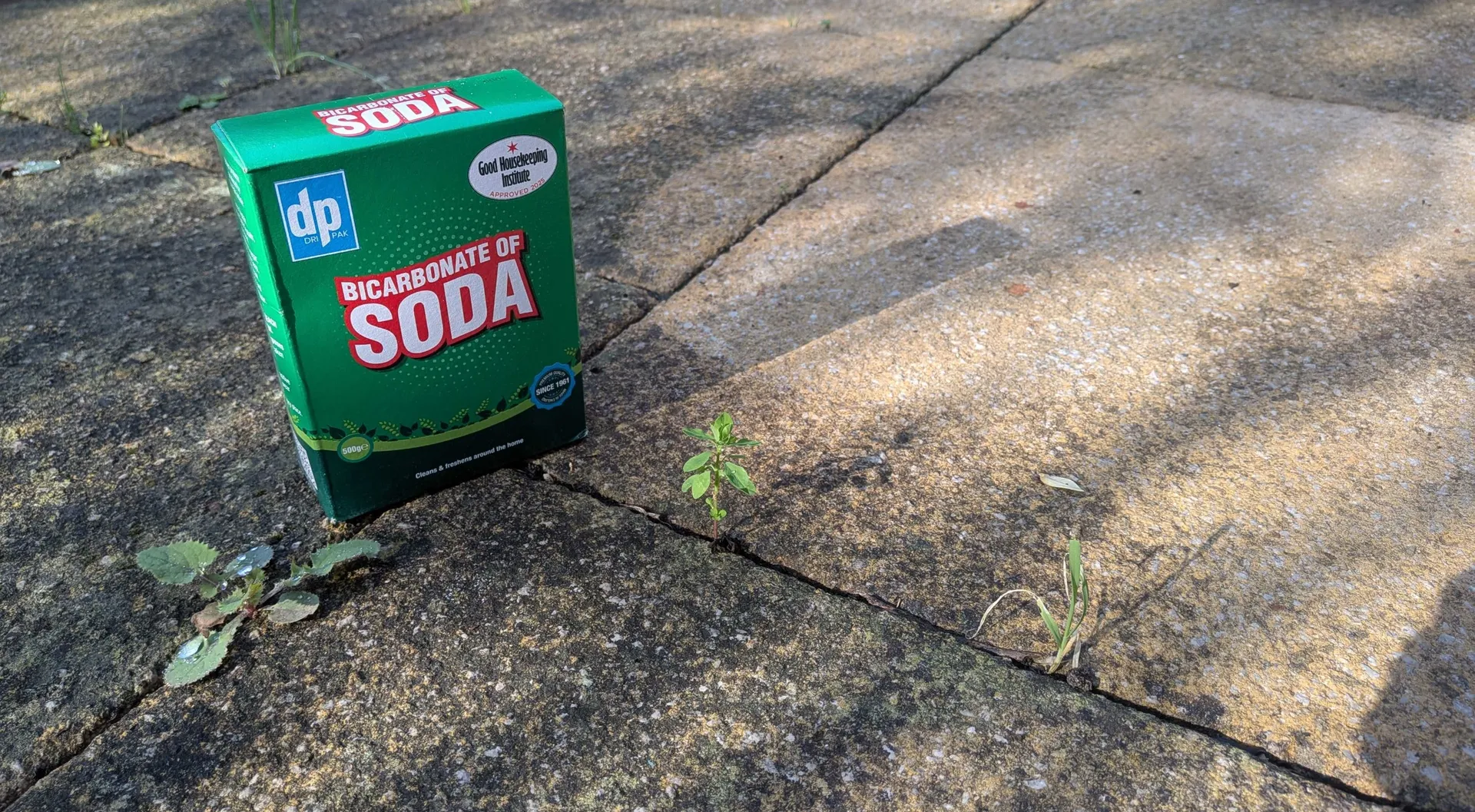
No matter what time of year it is, there seems to be one gardening chore that feels like a never-ending challenge — weeds. This is especially the case in damp fall, when I’m finding my gravel paths and patio pavers littered with unsightly weeds.
And while larger, visible weeds with clear taproots are easy enough to pull out, pesky weeds stuck deep in narrow cracks and crevices are super tricky and time-consuming to remove.
Which is why I was thrilled to discover a kitchen staple that is the ultimate trick for clearing weeds between my pavers.
Baking soda has been a staple in my cleaning routine for years, and there are so many uses for this ingredient — but it can also be used as a homemade, cost-effective weed killer. This is due to its elevated sodium levels, which draw moisture out of plant cells, drying out young weeds. But how effective is this?
I asked gardening experts why baking soda actually kills weeds, and exactly how long it takes.
How long does baking soda take to kill a weed?
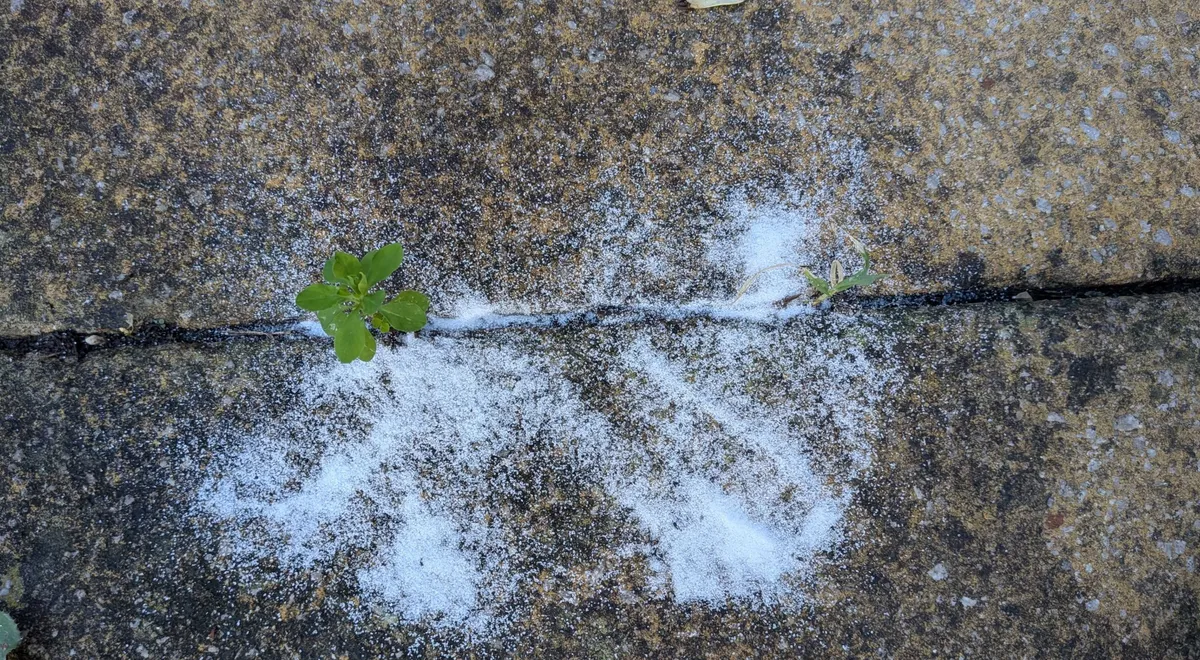
Similar to commercial weed killers, baking soda acts as a natural bioherbicide that kills weeds on direct contact with foliage. But how fast does it act?
"Visible damage may occur within about 24–48 hours, although results can vary depending on the size and type of weed, weather conditions, and how thoroughly the baking soda contacts the foliage," states Kathleen Hallal, VP of Landcare and Municipalities at FireHawk Bioherbicide.
"Baking soda can be an effective household option for treating small weeds because its high sodium content can draw moisture from plant tissue and cause the weed to dry out."
"Visible damage may occur within about 24–48 hours, although results can vary depending on the size and type of weed"
Kathleen Hallal, VP of Landcare and Municipalities at FireHawk Bioherbicide
Should you clear away the dead plants once the baking soda has done its job? "Once a weed has died, removing the dead plant material is generally a good idea, especially for appearance and to keep the area tidy," says Hallal.
While baking soda works well for eliminating smaller weeds, it cannot penetrate the deep taproot of larger varieties. To tackle larger weeds, you’ll need to pull them by hand or use dedicated tools and products.
How to use baking soda to kill weeds the right way

Bear in mind, applying baking soda properly is vital —or else you risk causing unintended harm to your yard.
“When using this kind of method to kill weeds, it's important to be cautious and apply it carefully, as it may also damage surrounding plants and affect the soil if used repeatedly,” advises Paul Parker, plants and bulbs specialist at J. Parker’s.
“Once the weed has died back, it's best to remove it rather than leave it in place. Wait until the foliage has turned brown and withered, then carefully remove the plant using a small shovel and gloves. Try to remove as much of the root system as possible, particularly with perennial weeds, as any remaining roots may allow them to grow back.”
It’s also worth noting that using baking soda is only a temporary fix for young weeds. And for optimal results, it’s best to use it alongside other conventional weed-control techniques.
“Its main limitation is consistency,” adds Hallal. “Baking soda is not specifically formulated for weed control, so it can be difficult to get even coverage, and the powder can blow away or wash off in rain.”
Additionally, baking soda should be used sparingly, as it could have long-term effects on the quality of your soil. “Over time, excessive sodium can affect soil conditions and potentially harm desirable plants, so it should be used carefully around lawns, garden beds, and landscaped areas.”
However, baking soda is still great for occasional spot treatment for small weeds, particularly when tackling those pesky ones growing in paving cracks or driveways.
In any case, try this household staple the next time you need to banish small weeds - and it should take just 48 hours.

Follow Tom's Guide on Google News and add us as a preferred source to get our up-to-date news, analysis, and reviews in your feeds.
More from Tom's Guide

