With yet another heatwave on the horizon in the U.K., my lawn is looking parched and in need of some attention, and I can’t see it improving anytime soon.
But despite my lawn resembling straw and going into dormancy, the weeds are still thriving. And since they are so easy to identify right now, it feels like the ultimate time to get stuck into some weed removal. But before heading into my yard to make a costly mistake, I checked in with a lawn care specialist to see if now is a prime time to pull them out.
Can you treat lawn weeds in dry conditions?
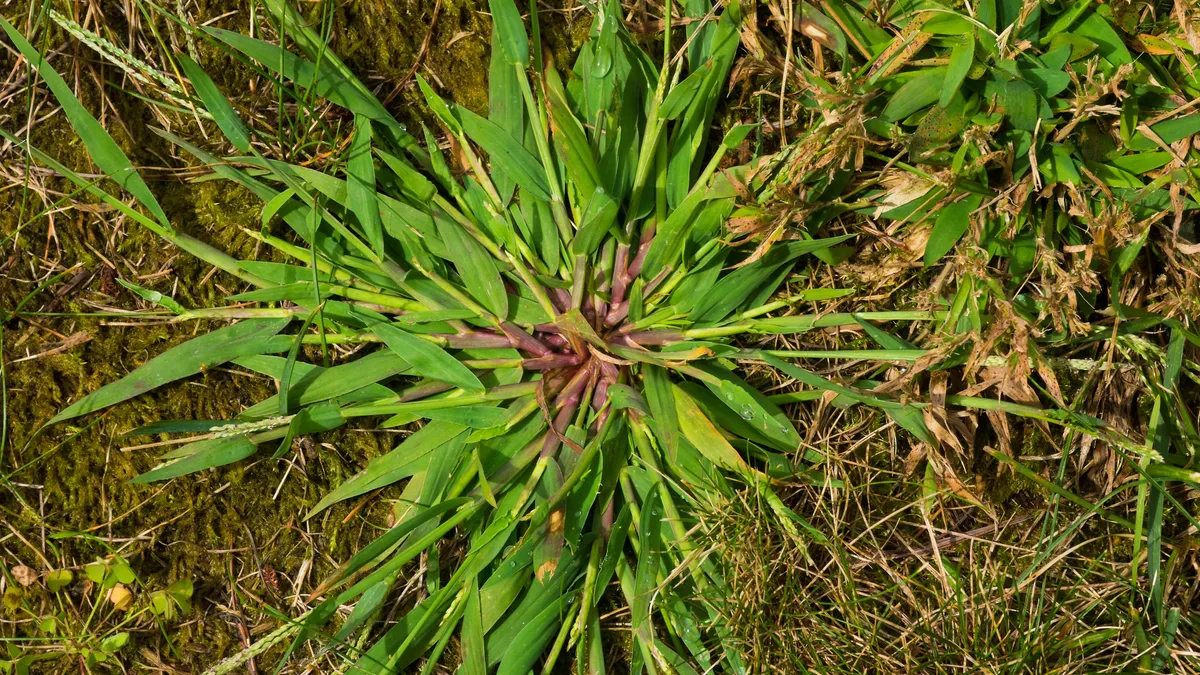
It might seem like the perfect time to strike, but according to Jonathan Davis, grass expert at Lawnsmith, spraying lawn weeds now could be a waste of time, or even do more harm than good.
“I wouldn't recommend treating lawn weeds while the grass is dormant or drought-stressed,” says Davis. “Although the weeds may be easier to see, the conditions simply aren't suitable for effective or safe treatment.”
Why spraying weeds in dry conditions is a bad idea
The main issue is that weedkiller doesn’t work well in dry conditions, with Davis explaining that your already-struggling lawn is more likely to get damaged by it. “The grass is already under pressure in these conditions and that makes it more vulnerable to damage from any kind of treatment.”
Reaching for a stronger or more specialist product won’t get around the problem, either. “No particular product will overcome poor growing conditions. Many selective lawn weedkillers advise against use during drought conditions, so it is best to follow the label instructions,” he warns.
And he adds, that even if you do see some effect, in the long-term the treatment is unlikely to last.
“Further weeds may appear once wetter weather returns,” Davis says, “so treating during the drought may provide limited benefit.”
What can you do about the weeds?

While chemical treatment is off the table for as long as the hot weather stays, you’re not completely stuck watching weeds overtake your lawn.
“A small number of isolated weeds can be removed carefully by hand, provided this does not disturb the surrounding turf,” says Davis.
It may take longer than reaching for a spray bottle, but it won’t put your lawn at any extra risk.
Other lawn jobs to take care of when it's dry
Beyond pulling the odd weed by hand, there are a handful of jobs that are safe to crack on with during a drought.
“If you’re able to water, be sure to use a wetting agent to help any rain or irrigation soak in properly, lightly prick or spike the surface to aid absorption, and keep mowing regularly to stop weeds and weed grasses from setting seed,” he advises. “Everything else, including fertilizer, moss killer and scarifying, needs to wait.”
How to tell if it’s actually drought stress
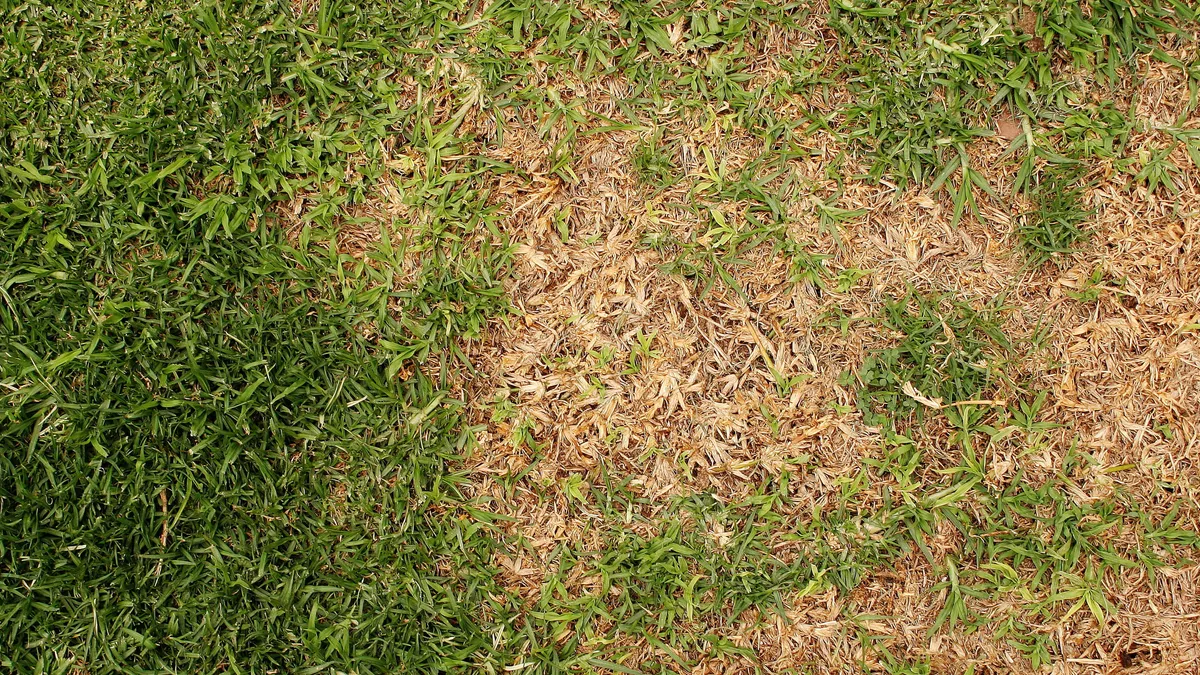
It’s important to check whether your lawn is suffering from drought stress or a different issue, such as lawn burn or red thread.
“A dry lawn and a burned lawn can look very similar, so it’s worth checking before you assume it’s a drought,” he says.
Fortunately, there is an easy way to check whether your lawn is stressed through lack of hydration. Davis explains, “Get a bulb planter, or the corner of a spade, and cut a small hole in the lawn about three inches deep. Then take a look at the soil. If it’s dry, dusty or crumbly, that confirms drought. If it’s dark and sticking together in grains, there’s still moisture down there, and something else is likely going on.”
If you don’t have a bulb planter to hand, Davis suggests a simple alternative. “Stab a spade into the lawn at a 45-degree angle to a depth of three or four inches, then make two more cuts so they form a triangle. Lift the wedge out gently, and you can inspect the soil underneath directly.”
Either way, he advises it’s worth ruling drought in or out before deciding on a fix.
When it's safe to treat the weeds

The rule of thumb, according to Davis, is patience. “Wait until moisture has returned to the soil and both the grass and weeds are actively growing again," he says, "Then apply a suitable product in cooler, calm conditions and follow the label instructions.”
The ‘actively growing’ test applies well beyond weed control too, covering feeding, scarifying and seeding alike. Until the rain returns and your lawn is visibly growing again, rather than just surviving, the best thing you can do for it is very little at all.
Gardening essentials we love
Follow Tom's Guide on Google News and add us as a preferred source to get our up-to-date news, analysis, and reviews in your feeds.

More from Tom's Guide