Valve just gave us a big update on the Steam Machine, Steam Frame and Steam Controller in a blog post. But while all the new answers to our most common questions are welcome, it’s worrying that two remain largely unanswered: When will they launch, and how much will they cost?
In response, we got a sort of response that confirms they’ve been delayed to the “first half of the year” (rather than Q1 2026) because of “memory and storage shortages.” This is to give the company time to “revisit” when it will ship and how much it will cost.
Yikes

It’s almost like the perfect storm of bad timing — Steam’s new hardware announced in November, just before the RAM price crisis truly took off (yes, I know it technically started earlier, but it became truly noticeable around late November).
“Our goal of shipping all three products in the first half of the year has not changed,” the blog post reads. “But we have work to do to land on concrete pricing and launch dates that we can confidently announce, being mindful of how quickly the circumstances around both of these can change.”
We were already hearing rumors that the pricing was going to sting because of those skyrocketing memory costs, and this is the first time Valve has publicly acknowledged it.
Now, given that one of the FAQs Valve answers does confirm that the Steam Machine’s SSD and DDR5 RAM sticks are “accessible and upgradeable,” there could be a bare bones version to give us a cheap version. But we’ll find out soon as the company plans to “finalize those plans as soon as possible.”
My (way too early) price predictions
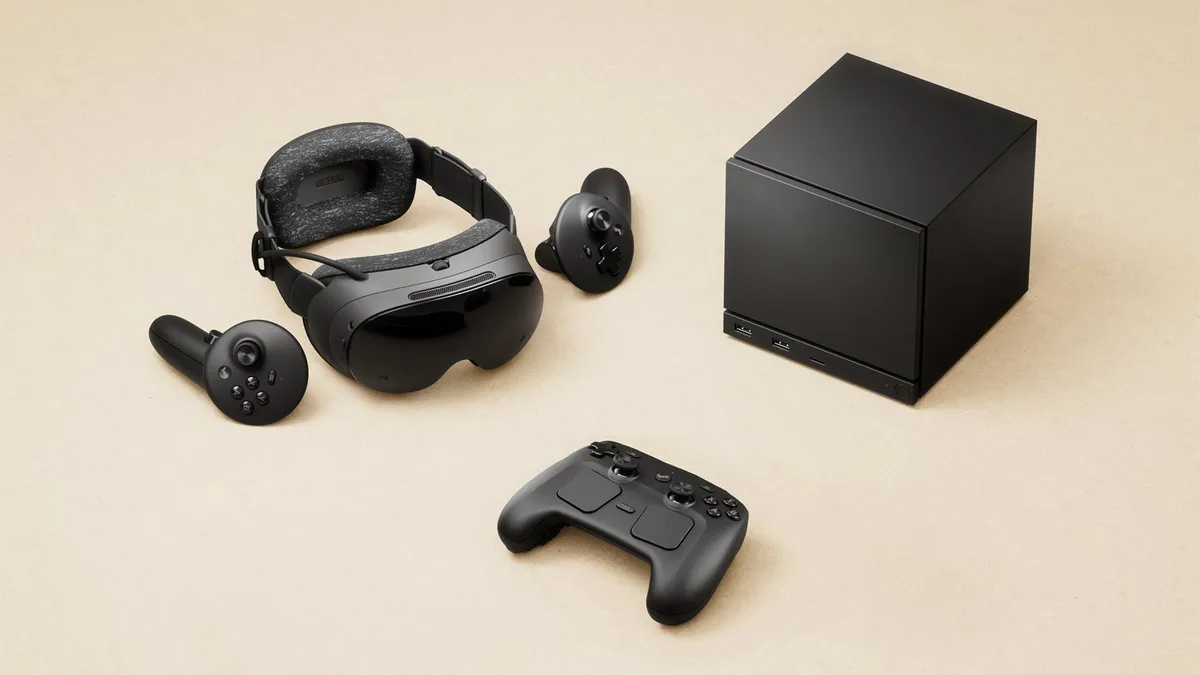
You know the kind of writer I am — I’m a betting man and always keen to make some predictions. How much do I think they will actually cost when they launch?
- Steam Machine: I think the European retailer leak is probably on the money here. Due to the rising costs of DDR5 RAM and NVMe SSDs, I would guess a minimum of $950 (a far cry from my early guess of $699).
- Steam Frame: The standalone VR headset is intended by Valve to be a more affordable alternative to the Valve Index, which sold at $999. But how much cheaper? Given it uses 16GB of LPDDR5X RAM, my guess is somewhere in the $700 range.
- Steam Controller: This is the hardware least affected by the crisis, but it is still a pro-tier piece of hardware with magnetic thumbsticks, dual trackpads and impressive repairability. My guess is $120.
What else did we learn?
But I don’t want to end on a bummer (and with a burning pain to your bank balance). Valve did answer plenty of questions about the hardware. Let’s go through the biggest things we learned.
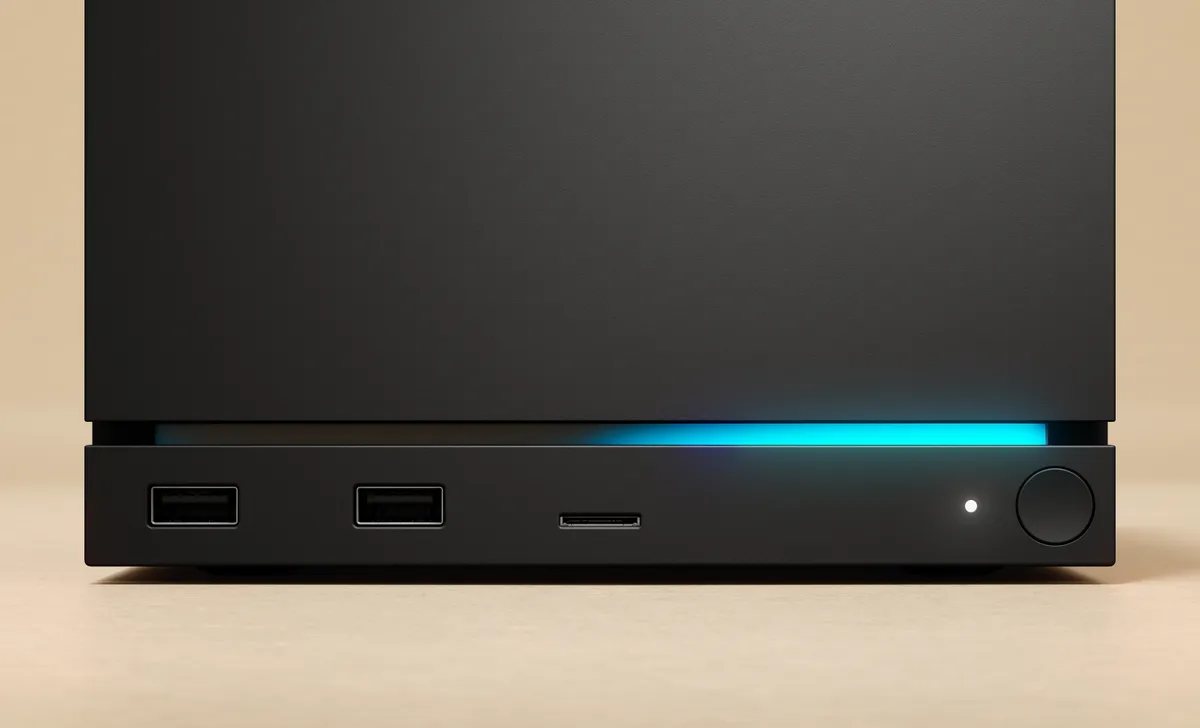
In terms of the Steam Machine, Valve confirmed it is upgradeable, you’ll be able to 3D print your own faceplates, and the gameplay target is “4K 60 FPS” with AMD’s FSR upscaling technology.
That said, the company did say that “some titles that currently require more upscaling than others, and it may be preferable to play at a lower framerate with VRR to maintain a 1080p internal resolution.” You can also expect driver updates that improve upscaling and ray tracing performance too.

As for the Steam Frame VR headset, Valve expects it to support streaming services via a theatrical mode in its built-in web browser, and it sort of can be used while wearing glasses.
Valve staffers have been able to wear them with specs “without issue,” but mileage may vary on how big your glasses are. “We are looking into making prescription lens inserts available ahead of launch,” the blog post confirms.
Finally, the company shared more on foveated streaming — quite the breakthrough for smooth PC VR gaming. Instead of foveated rendering (high resolution rendering of only what the display is looking at), foveated streaming uses the eye trackers to stream high-rendered data based on the specific portion of what you’re looking at.
PC VR can be super demanding on a system, and this system-level feature works across all games (rather than needing developers to update their code) so this could be huge!

Follow Tom's Guide on Google News and add us as a preferred source to get our up-to-date news, analysis, and reviews in your feeds.
More from Tom's Guide
- AMD just hinted the next-gen Xbox could ‘launch in 2027’ — here’s why I’m not convinced
- I ditched my PC and used Meta Quest 3 to turn every surface into a virtual keyboard — it’s futuristic, and kind of painful
- I tested Intel XeSS 3 vs Nvidia DLSS 4: my laptop tests made me rethink the future of integrated graphics