If you’re reading this, then you’re considering whether it’s beneficial to get your kid a tablet for schoolwork. That’s reasonable. The best tablets are lighter than most laptops, can cost less than many Chromebooks, and students already know how to use them. The appeal is pretty evident.
That said, a tablet isn’t just a small computer. It’s a distinct device with its own strengths and limitations for schoolwork. If you’re deciding whether a tablet makes sense for your child this year, you need a clear picture of both sides before you hit buy.
I’ve reviewed dozens of tablets over the years and have spent a lot of time testing whether certain models (like the iPad Pro) can realistically replace a laptop. The answers aren’t always cut and dry, but I have a solid sense of when a tablet works for schoolwork and when it falls short.
Here’s a breakdown of the pros and cons of using a tablet for school to help you make the right call.
Tablets for school: The pros

A tablet’s form factor is hard to beat. Most students can toss an iPad or mid-range Android tablet into a backpack without thinking twice because they’re so thin and light. Better options last a full school day on a charge, and they’re ready the second you take them out of rest mode or open the case. That lower friction is especially helpful for younger students.
Tablets are also strong for more visual, interactive schoolwork. Reading digital textbooks, annotating PDFs with a stylus, watching short instructional videos, and using educational apps all feel natural on a tablet. Many schools already deliver content through Google Classroom or similar platforms that work cleanly with tablets. If your kid needs to sketch, snap photos of notes, or complete interactive worksheets, a tablet with a decent stylus can feel more intuitive than a traditional laptop.
Cost is another factor. A solid mid-range tablet paired with a keyboard case can sometimes be cheaper than a budget laptop, and there’s generally less to break or keep updated. For a student who mainly needs a device for reading, research, light writing, and school apps, a tablet can cover a lot of ground without the extra complexity of a full computer.
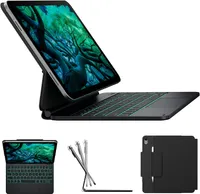
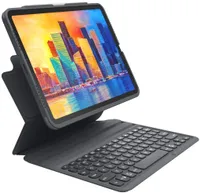
If you've already decided to get a tablet for back-to-school, here are some options I recommend.


Tablets for school: The cons

While tablets can work well for school, they come with some serious drawbacks.
Serious tasks like writing longer papers, building spreadsheets, coding, or juggling multiple apps are still noticeably harder on a tablet than on a laptop. Even with a keyboard attached, multitasking and file management often feel limited. If your child’s schoolwork involves a lot of writing or switching between documents, a tablet can slow them down.
You’ll also need to account for the cost of peripherals if you want real school use out of the tablet. Something like Apple’s Magic Keyboard makes typing far more comfortable than the on-screen keyboard, and keeps an iPad protected from accidental drops. A stylus isn’t always essential, but it can be if your child takes notes by hand or does any drawing. The cost of these peripherals can erase the tablet’s initial price advantage.
Not every school’s software or testing platform plays nicely with tablets, either. Some require specific browsers or extensions that work more reliably on a laptop. If your kid’s school leans heavily on certain tools, a tablet can create more headaches than it solves.
Finally, distraction is a bigger issue on a tablet. It’s much easier for a student to fire up a game, fall into YouTube, or get lost on social media instead of finishing homework or getting to bed on time. Those same temptations exist on laptops, but the tablet form factor makes them easier to slip into.
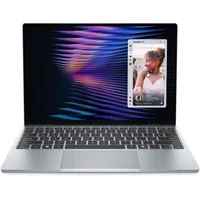
If these cons are a deal-breaker, here are two excellent and budget-friendly laptops I suggest you get for your kid instead.

Bottom line
A tablet can be a fantastic tool for schoolwork, but only if it matches how your kid works and what their school expects.
For younger children focused on reading, interactive lessons, and lighter assignments, a tablet is often the better fit. For older students handling longer writing, research projects, or heavier software, a proper laptop is usually the smarter daily driver. Solid options in that category that I recommend include the Dell XPS 13 or MacBook Neo, both of which currently start at $699.
If you decide to go the tablet route, pair it with a good keyboard case, enable strong parental controls, and set clear rules about when it’s a school device versus a fun distraction. This keeps the advantages while limiting the downsides.

Follow Tom's Guide on Google News and add us as a preferred source to get our up-to-date news, analysis, and reviews in your feeds.
More from Tom's Guide