If you’ve been putting off a router upgrade, now is the time to act. The Federal Communications Commission (FCC) just effectively banned the import of all new foreign-made routers.
In a fact sheet put out by the FCC, the government agency explained that it has updated its Covered List to “include all consumer-grade routers produced in foreign countries.” This move comes after a determination by the White House which found that these routers “pose unacceptable risks to the national security of the United States” as well as the safety and security of its citizens.
The FCC went on to cite the fact that foreign-made routers introduce supply chain vulnerabilities that can be exploited by both hackers and foreign adversaries. This last part is absolutely true and we have seen hackers leverage vulnerabilities in older routers in the past.
Just like with its previous drone ban, this one on foreign-made routers went into effect almost immediately after it was announced. Here’s everything you need to know about the FCC’s new foreign-made router ban and how it will affect your home network going forward.
Old vs new routers

Beginning on March 23rd, the FCC stopped granting new equipment authorizations for any routers made abroad. As such, if a networking company didn’t already have an FCC ID for a new model, they can no longer legally import or sell it in the U.S. However, there is an exception and a big one at that.
Routers that were granted authorization by the FCC before March 23rd can still be imported, marketed and sold in the U.S. So if you were thinking about upgrading to one of the best Wi-Fi 7 routers or even one of the best mesh Wi-Fi systems for whole-home connectivity, existing models aren’t going to be taken off store shelves overnight.
It’s worth noting though that there is a firmware cutoff date that could affect some existing routers. Under the current rules, foreign-made routers will only be guaranteed to receive firmware and security updates through March 1 of next year. After that time, if a company doesn’t have their “Conditional Approval” from the U.S. Department of War or the Department of Homeland Security, they won’t be able to issue new firmware patches or security updates.
As the FCC’s ban just went into effect though, no router manufacturers — including those whose businesses are based in the U.S. — have been granted Conditional Approval. If 2025’s drone ban is any indication, it will take roughly three months for companies to get this approval.
So what does this mean for you? Well, if you’ve been considering upgrading to a new router, now is the time to do so as Amazon, Best Buy and other retailers can still sell router models that were previously authorized. Once this stock is gone though, it will likely take some time for additional devices to find their way onto store shelves.
Then, going forward, there will likely be a delay as companies work to get their Conditional Approval before new models can launch. For instance, if Netgear, eero or another router maker had a router planned to launch this summer, the earliest it would be available would likely be in the fall.
Another thing to look out for if you’re in the market for a new router is price hikes. With no new routers on the foreseeable horizon, retailers and the companies themselves may raise prices to make up for the devices they won’t be able to sell right away because of the ban. As I mentioned before, if you want a new router, now is the time to get one.
FCC Wi-Fi router ban: Outlook
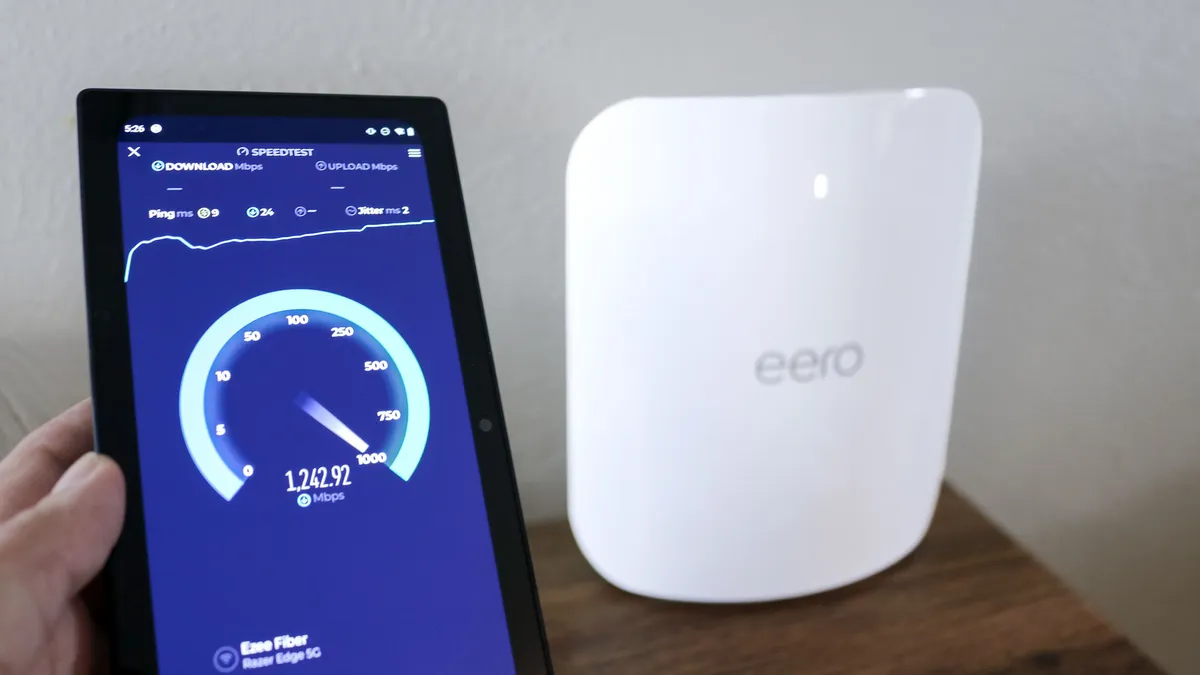
Just like we saw with the FCC’s drone ban, this new foreign-made Wi-Fi router ban is going to face loads of scrutiny. I expect we’ll see lawsuits from companies like TP-Link that are going to be hit the hardest like how DJI recently filed a petition with the U.S. Court of Appeals to challenge the ban.
At the same time, I don’t think we’ll see router production shift to the U.S. anytime soon. While routers from US-based companies like Netgear and eero are designed in the United States, just like with most other electronic devices, they’re produced overseas. In fact, there isn’t a single router that’s Made in the USA.
The FFC may mean well with its new ban and protecting consumers from security threats is important but at the end of the day, router prices will likely go up and there will be less options for people to choose from.
Given that I cover both Wi-Fi routers and cybersecurity for Tom’s Guide, I’ll be following this story closely so stay tuned for all the latest on the FCC’s new foreign-made router ban.

Follow Tom's Guide on Google News and add us as a preferred source to get our up-to-date news, analysis, and reviews in your feeds.
More from Tom’s Guide
- I got tired of having a bad remote play experience so I used Wi-Fi 7 and this powerful gaming tablet to fix it for good
- Upgrading to Wi-Fi 7 is about to get more complicated and these new routers are to blame
- I thought Wi-Fi was good enough until I upgraded to a mesh router — now I’m wiring my whole home for Ethernet