6 ways to save on buying running shoes — I test sneakers for a living, and you don’t need to spend big money to get great shoes
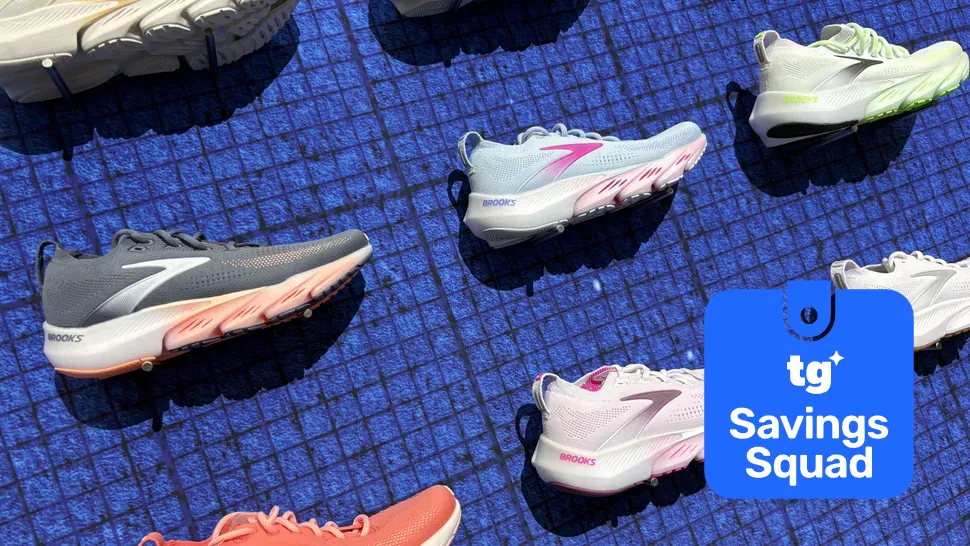
Part of the appeal of running is that it’s a simple and cheap sport to get into. You don’t need other people to do it or to book a court or field, and it doesn't require a lot of specialist equipment.
You do need the right footwear, however, and the price of the best running shoes has rocketed over the last decade or so that I’ve been reviewing them.
Top cushioned daily trainers will now routinely set you back $160-$200, while the best carbon plate running shoes for racing are more like $250-$300. Even "entry-level shoes" are generally $130-$150.
If those prices seem crazy to you, the good news is you don’t have to pay them. You can get great running shoes for a lot less than that if you shop smart, and hopefully these six tips will help you do just that.
Shop last-gen models
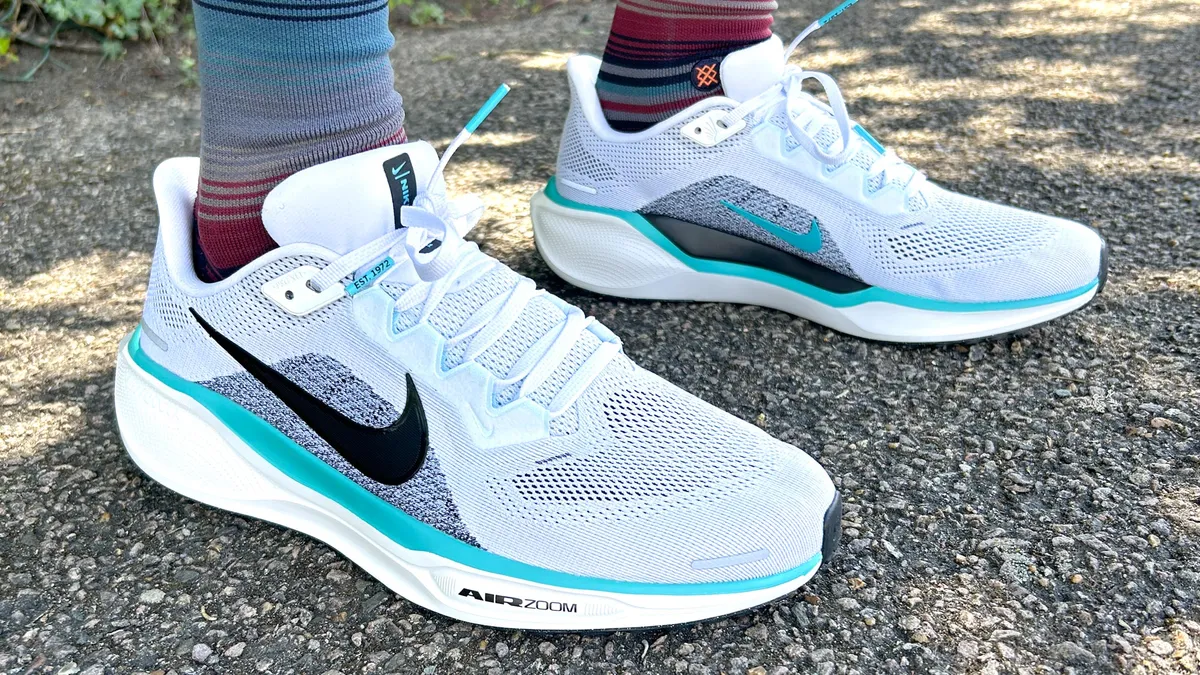
The biggest tip I have for buying cheap running shoes is to ignore the latest models. Popular sneakers get updated every year, and these updates can be very minimal, so the older model is usually a better value in sales.
I’ve picked out several last-gen running shoes that are as good, or even better, than the latest models to start you off, and in general, whenever a new model of a popular sneaker is launched, it’s a good time to start hunting for its predecessor in sales.
Consider budget options
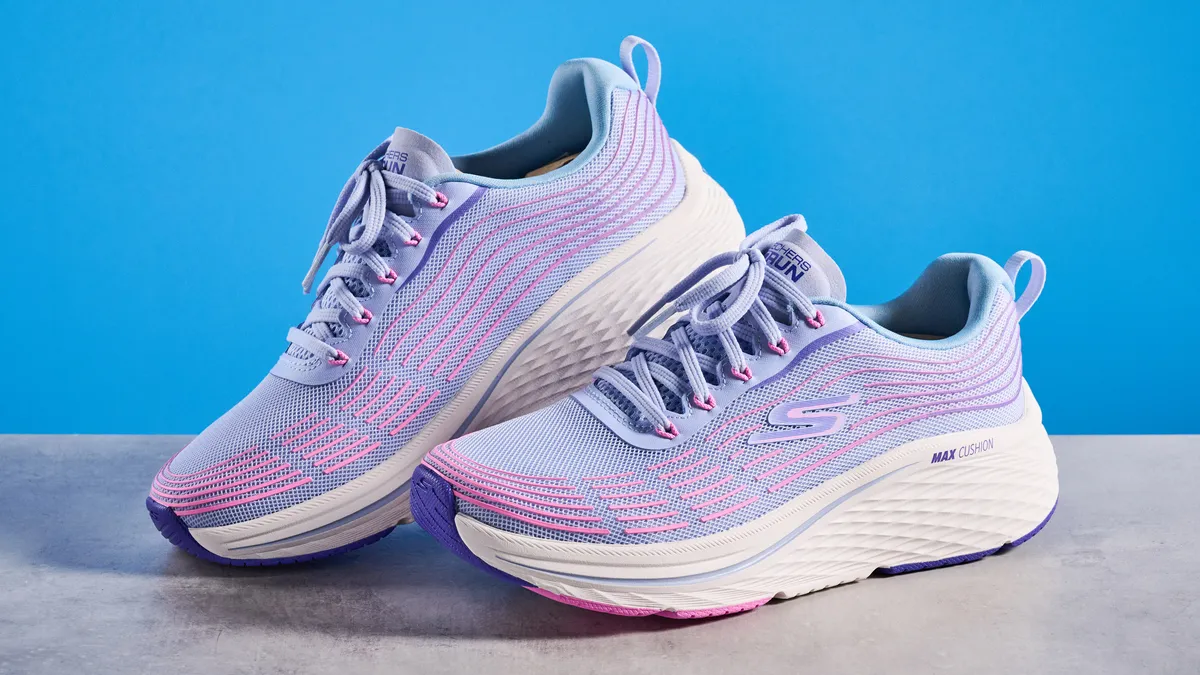
Most running brands have some cheap sneakers in their line-up, and you can also find shoes for $50 or less at big retailers like Walmart.
These generally aren’t as durable and comfortable as pricier options, and if you’re someone who’s running most days and doing distances over five miles regularly, it will be worth upgrading beyond these budget picks, but they can get the job done for beginners and casual runners.
Go and try shoes on
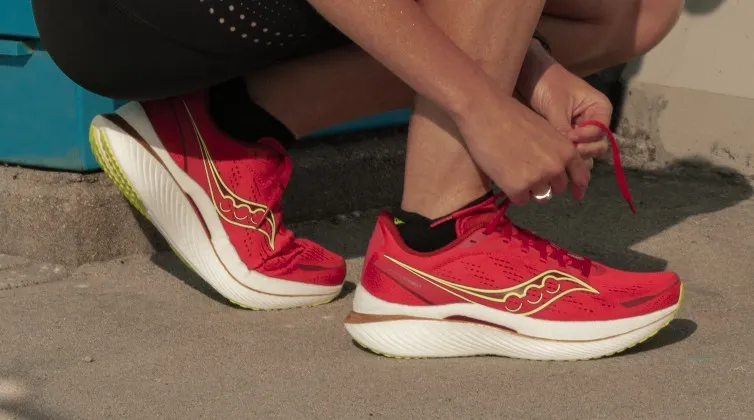
This is particularly important if you’re buying a budget shoe, but even if you’re going for a popular model, it’s worth going to a store and trying on a few shoes.
There’s a lot of information out there about things like gait analysis that can help find the perfect shoe for you, but if a sneaker feels good when you do a test run in it, it usually works out to be the right shoe for you.
This can help you find a cheaper model that actually suits you and reduce the risk of wasting time and potentially money sending shoes back.
Look for sales on popular lines
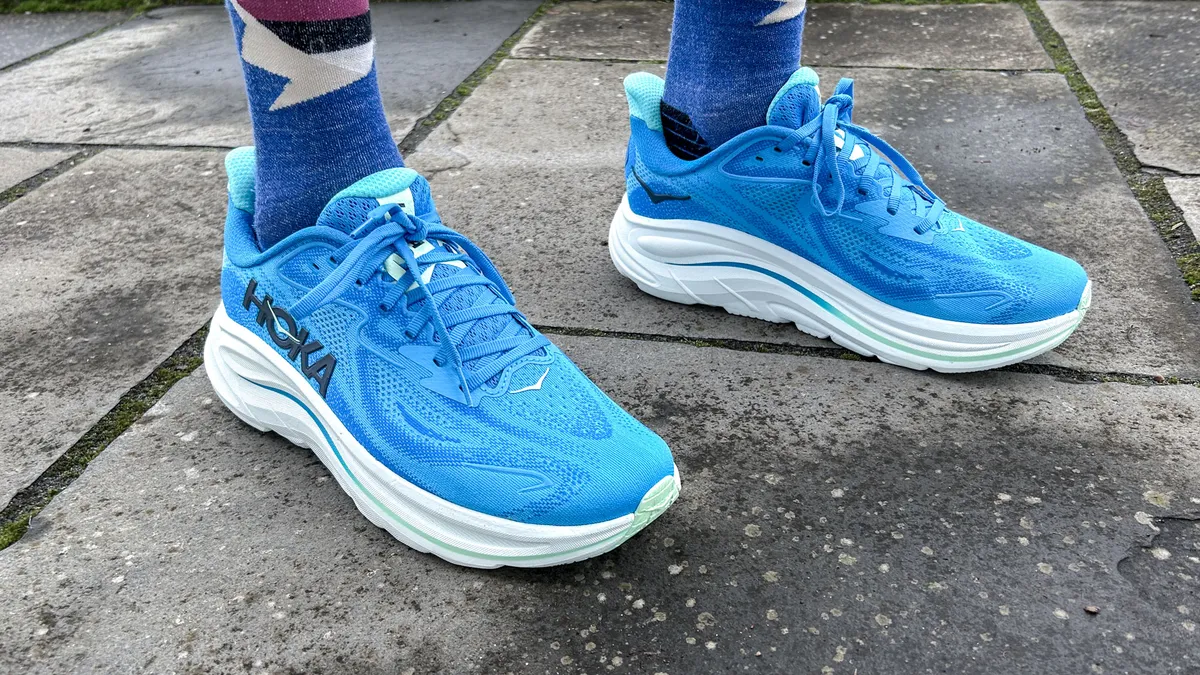
Buying running shoes in sales is obviously a good way to pay less, and it helps to hunt for the right kind of sneakers, because not all of them are subject to regular discounts.
Generally, the best deals on running shoes tend to be on popular cushioned models rather than carbon plate racers or so-called "super-trainers" that use the latest tech and materials.
For starters, some shoes I’d look for in sales include the last-gen models of the Nike Pegasus, Brooks Ghost, Hoka Clifton and Asics Novablast.
These are all reliable, popular options that suit a wide range of runners and often the first sneakers to get discounts in big sales periods like Black Friday.
Join membership programmes
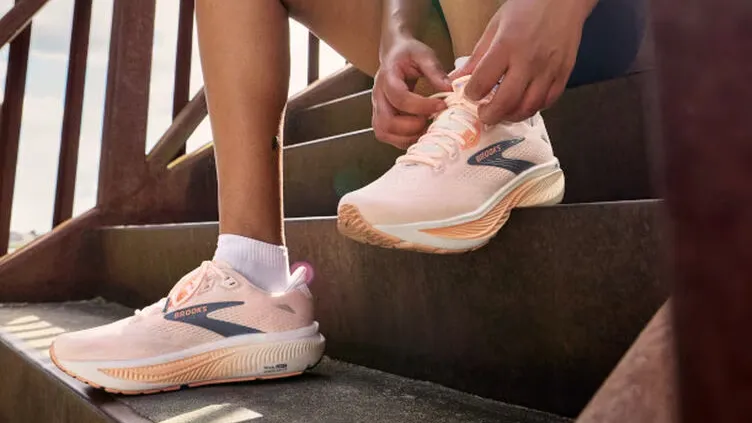
Handing over your details to brands isn’t desirable, I get it, but if you sign up for the free membership programmes on running websites, you’ll often get exclusive access to deals and bonuses like discounts on your birthday.
Running clubs sometimes get their own discount codes too, and if you’re a member of an athletics association, there could be deals available as part of that membership, so it’s worth checking.
Consider the durability of your shoes
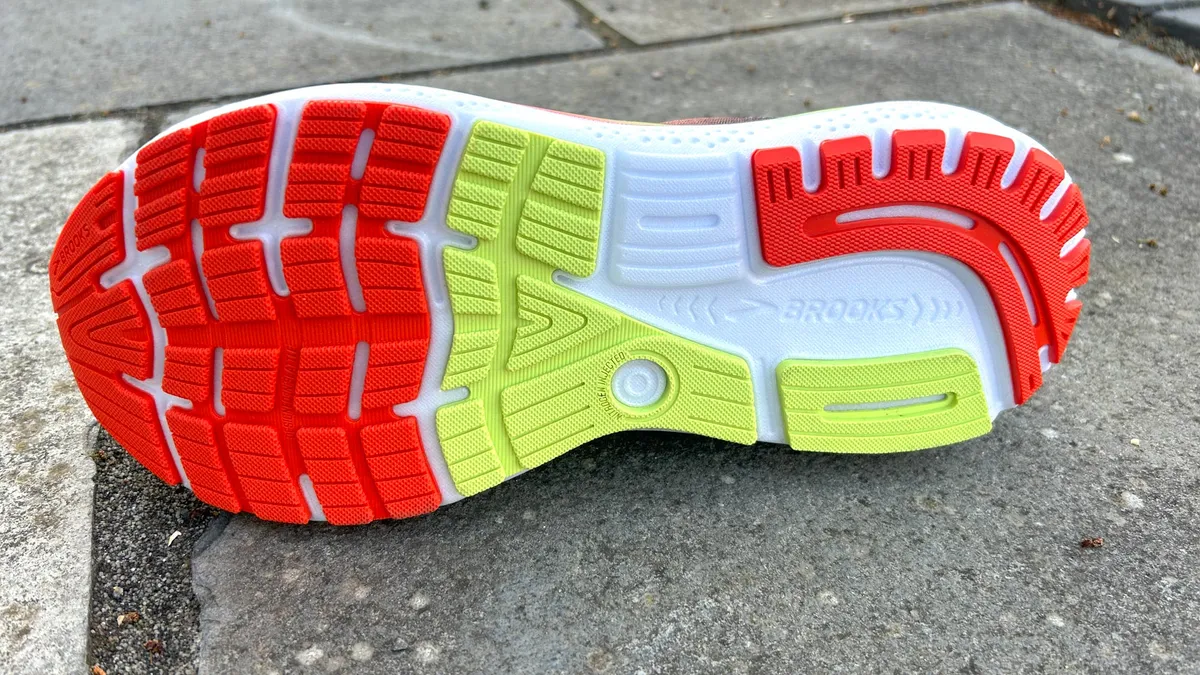
If value is what you prize most in your shoes, then it’s not just the initial price that matters. If your shoes last 500 miles of running instead of 400, it’s worth paying more for them upfront.
It’s hard to rate a running shoe’s durability — different runners go through shoes quicker than others, depending on things like their foot shape and the impact they put into the midsole with their running style — but there are some features to look out for.
One is the outsole — how much of the bottom of the shoe is covered, and how thick the rubber is. Many running shoes have quite minimal outsoles to reduce weight and improve the ride, but this can compromise durability.
Also check how thin the upper is, especially if you have a wide foot that puts more pressure on the material, and research the midsole foam by checking reviews from other runners — some really soft and springy foams can lose their bounce quickly, while some that are firmer initially, break in to become softer and then last longer.
Follow Tom's Guide fitness on Instagram for more workouts, routines, tips, and tricks.

Follow Tom's Guide on Google News and add us as a preferred source to get our up-to-date news, analysis, and reviews in your feeds.
More from Tom's Guide