




Balance isn’t something most of us think about day to day, but as we move into our 70s and beyond, maintaining good balance becomes one of the most important factors in staying active, independent, and confident on our feet. From stepping off a curb to reaching for something on a high shelf, balance underpins many of the movements we rely on every day.
The good news is that balance is a skill you can train, just like strength or flexibility. A few simple exercises performed regularly can make a big difference to how steady and stable you feel.
Below, we’ve rounded up three accessible balance exercises that are particularly well-suited to people over 70. They’re simple, low-impact, and easy to practice at home, with options to make them easier when you’re starting, and progressions to keep challenging yourself as your confidence — and balance — grows.

Why does balance matter as we age?
It’s natural for our balance to decline with age. Muscle mass decreases, reaction times slow, and the systems that help us stay upright — including our vision, inner ear, and joints — don’t work as efficiently as they used to. Together, these changes can make everyday movements like walking, turning, or standing on one leg feel less stable.
But balance plays a key role in preventing falls, which are among the most common causes of injury among adults over 70. Studies show that regular balance training can help mitigate the risk of balance-related problems, such as falls and reduced mobility.
The best part? You don’t need long workouts or specialized equipment to see benefits. A few minutes of balance practice each day can help maintain stability and keep you moving safely and independently for longer.
Try practicing the exercises below daily if you can.
1. Single-leg stand

Standing on one leg is one of the simplest and most effective ways to train balance. It strengthens the stabilizing muscles around the ankles, knees, and hips while also improving coordination and body awareness — all of which help you stay steady on your feet.
- Stand beside a sturdy chair, wall, or kitchen counter for support.
- Place your feet hip-width apart and stand tall.
- Slowly lift one foot a few inches off the floor, bending the knee slightly.
- Hold the position for 10–20 seconds while keeping your torso upright.
- Lower your foot and repeat on the other side.
- Aim for 3–5 rounds on each leg.
Make it easier: Keep one or both hands lightly resting on a support surface.
Make it harder: Try holding the position for longer or gently turning your head side to side.
2. Heel-to-toe walk
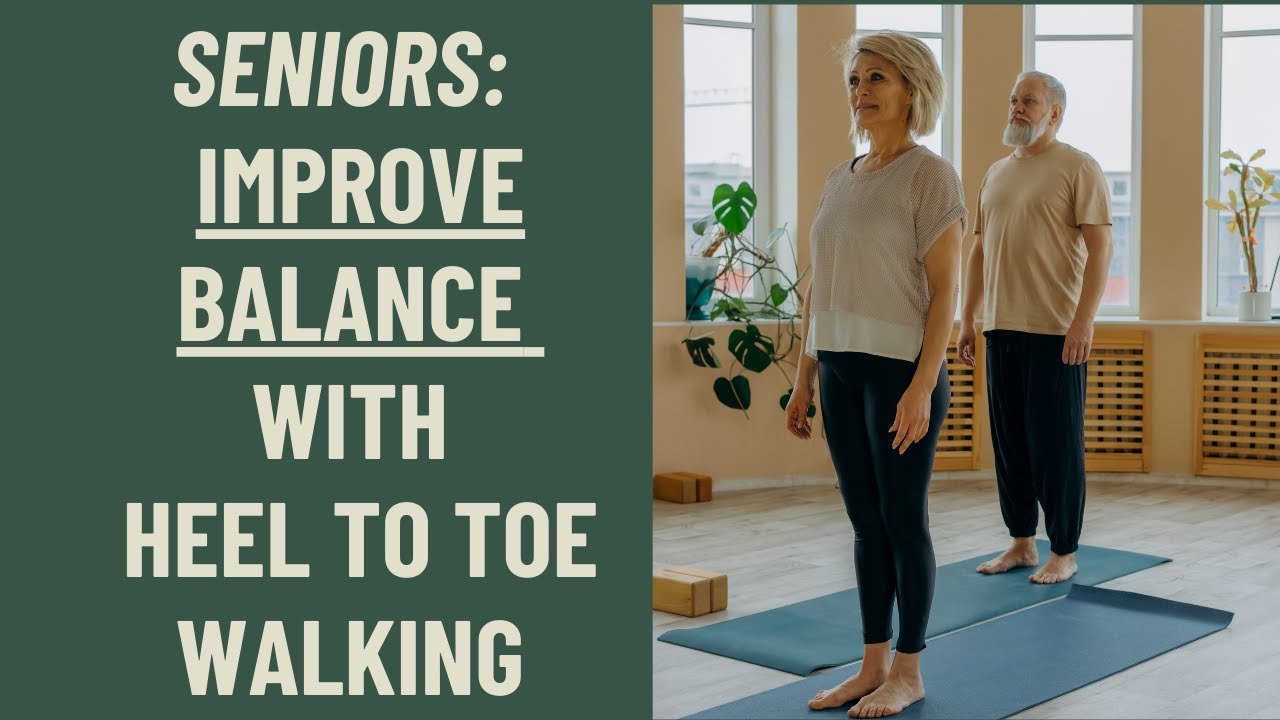
This exercise challenges your balance in motion, helping improve coordination and stability while walking. It trains the muscles in the legs and core that keep you steady when navigating narrow spaces or uneven ground.
- Stand upright with your feet together.
- Step forward so the heel of your front foot touches the toes of your back foot.
- Continue walking forward in a straight line, placing one foot directly in front of the other.
- Keep your eyes looking ahead and your arms relaxed by your sides.
- Take 10–15 slow, controlled steps.
Make it easier: Leave a small gap between the heel and toe rather than touching them.
Make it harder: Try walking backward using the same heel-to-toe pattern.
3. Side leg raises
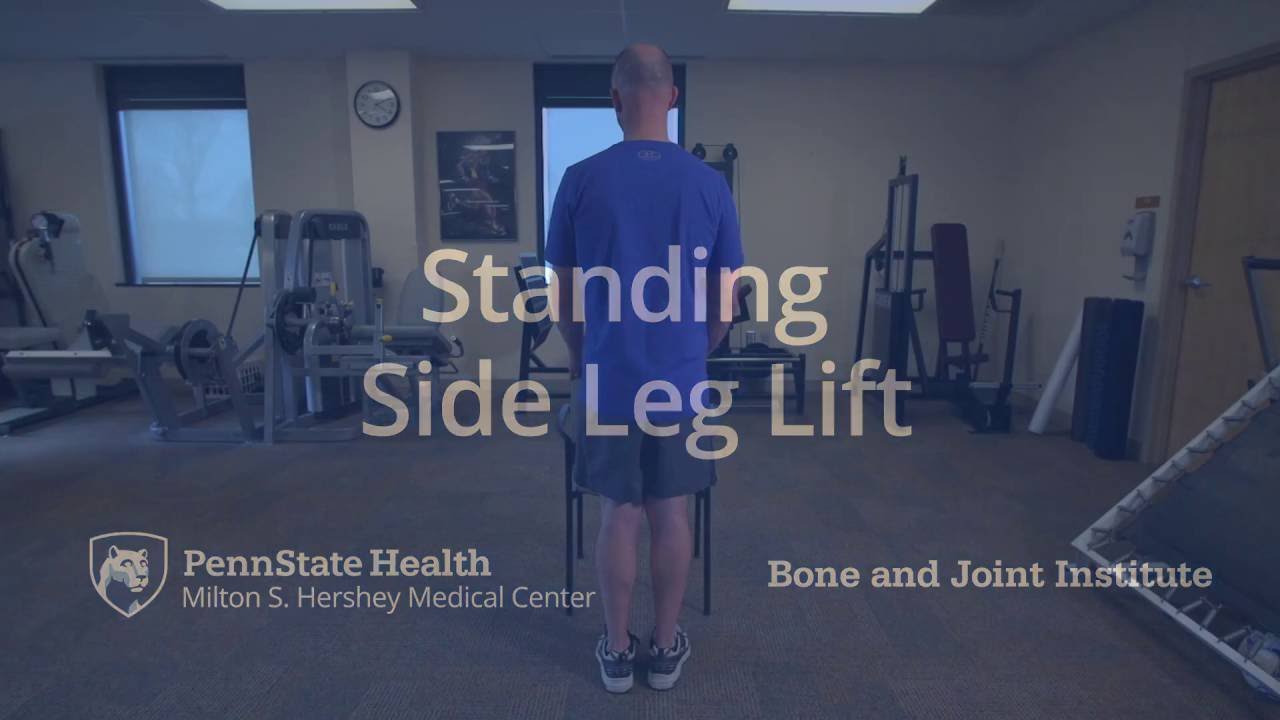
Side leg raises strengthen the hip muscles that stabilize your pelvis when you walk. These muscles play an important role in maintaining balance and preventing that “wobbly” feeling when standing on one leg.
- Stand beside a chair, counter, or wall for support.
- Stand tall with your feet hip-width apart.
- Slowly lift one leg out to the side while keeping your torso upright.
- Keep your toes pointing forward and avoid leaning your body.
- Lower the leg slowly and repeat.
- Perform 10–12 repetitions before switching sides.
Make it easier: Lift your leg only a small distance off the floor and keep both hands on a support surface.
Make it harder: Reduce your hand support or perform the exercise without holding on. Pause for two to three seconds at the top of the movement.
Good balance doesn’t require long hours or specialist equipment. These targeted exercises are a great place to start — practice them consistently, and your balance should start to improve quickly. And remember, good balance is key to aging healthily and staying independent for years to come.

More from Tom's Guide
- I’m a personal trainer who works with seniors — these are the 4 balance exercises I wish everyone would do before they turn 60, to build strength and stability
- I’m a personal trainer who works with seniors — these 3 ‘dynamic balance’ exercises are crucial for preventing falls
- If you can do this many bicep curls after 60, your upper body strength is considered 'elite'

