Brushing your teeth before bed is a common part of nighttime routines. However, making it the very last thing you do before bed could be the reason why you can't fall asleep within a healthy time frame (around 10-20 minutes is average).
In fact, experts say you shouldn't brush your teeth within less than one hour of going to bed if you want to fall asleep quickly and easily. "It sends a signal to your body that it's not actually time to go to sleep, so we produce more wake-promoting hormones, such as cortisol, to stay awake," explain sleep researcher Hannah Shore, Head of Sleep at MattressOnline.
Here Shore explains what happens to your hormones and your energy levels when you brush your teeth right before bed, and how that impacts your ability to fall asleep. She also reveals the three other key activities to avoid right before bed to sleep better.
Key takeaways : At a glance
- According to sleep researcher Hannah Shore, brushing your teeth right before bed forces you to stay active when your body is naturally winding down. This in turn suppresses melatonin, the sleep regulating hormone.
- Bright LED bathroom lights and overstimulating mint-flavored toothpastes enhances alertness and can cause temporary insomnia.
- Other activities Shore recommends you avoid close to bedtime include eating heavy meals and exercising vigorously. These activities raise your body temperature, which in turn makes it biologically harder to fall asleep.
Why you shouldn't brush your teeth right before bed

Supressing melatonin and promoting cortisol
"Usually, we are sitting on the sofa, falling asleep thanks to our circadian rhythm being in a slower phase, our sleep pressure being high, and our body therefore producing the sleep chemical melatonin," says Shore.
However, then comes the journey up to bed, which involves actually getting ready for bed. The problem with brushing your teeth when your body wants to sleep, Shore warns, is that you're essentially trying to stay awake.
"It sends a signal to your body that it's not actually time to go to sleep, so we produce more wake-promoting hormones, such as cortisol, to stay awake," she explains.
"Now our circadian rhythm is trending upwards, providing us more energy. So when we finally get into bed, we're wide awake, staring at the ceiling."

Then there's the act of teeth brushing itself, which is a more energizing activity than you think.
Shore tells me that your evening bathroom routine involves using "fresh, overstimulating toothpaste and splashing your face with water".
In fact, a medical case study has found that there may be a possible association between menthol exposure from mint-flavored toothpaste and insomnia, while another study found that exposure to peppermint aroma right before bed significantly reduced subjective fatigue and enhanced alertness in participants.

And finally, Shore says that teeth brushing is "completed in the bathroom with very bright lights" — and this can have a big impact on sleep.
Research has shown that LED light bulbs (the kind found in bathrooms) emit blue light that can suppress twice as much melatonin than a yellow-green light.
Researchers also exposed participants to standard bathroom-style lighting for just 30 minutes (less than hour before their habitual bedtime) and discovered that modern bathroom vanity bulb significantly suppressed melatonin secretion and increased subjective alertness.
3 activities to avoid before bed
1. Vigorous exercise

Exercising before bedtime may feel like it's tiring you out, but a 2025 study discovered that a vigorous workout within fours of going to bed can make it harder to fall asleep and lower sleep quality.
“When we exercise, our body temperature increases. This can take an hour or so to cool down properly, so make sure you are leaving plenty of time between exercising and going to bed,” Shore advises.
2. Eating heavy meals
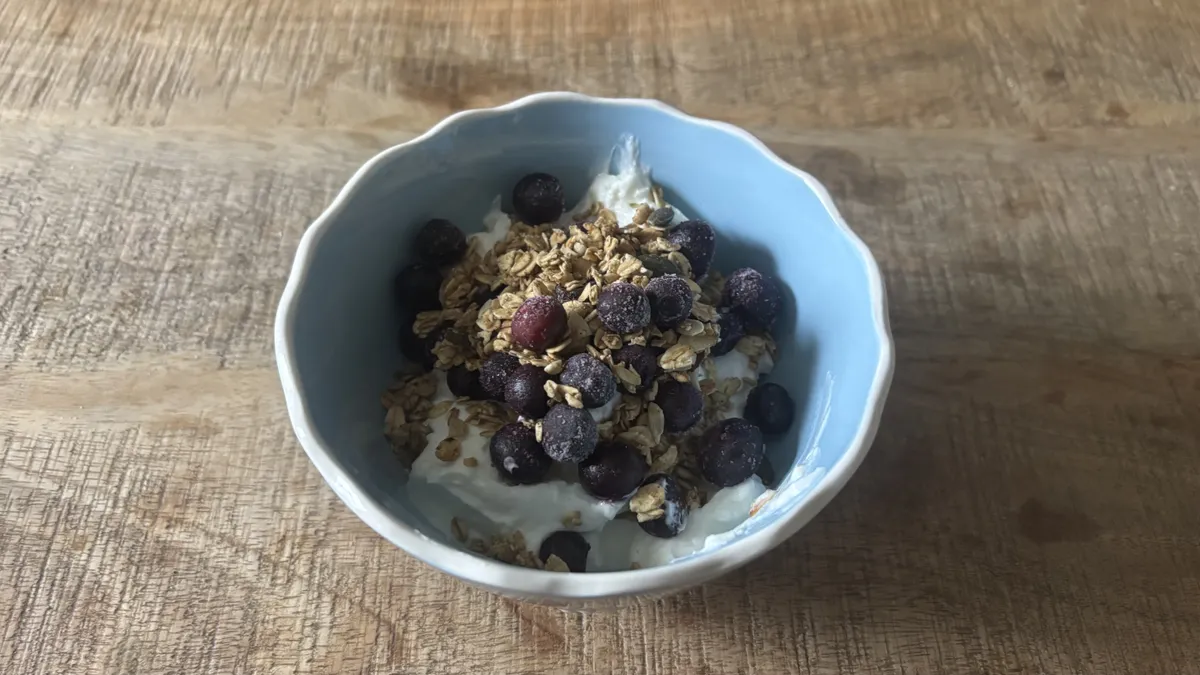
Research has shownthat eating a heavy meal too close to bed can prolong the time it takes to fall asleep, while the 10-3-2-10 sleep rule advises finishing your evening meal at least three hours before bedtime.
"Eating a large meal late at night not only leaves you feeling a little uncomfortable lying in bed but can also cause your core body temperature to rise at a point when we need it to be cooling down," explains Shore.
To void nighttime discomfort, the sleep researcher suggests eating a larger lunch and lighter evening meal.
3. Watching or reading engaging content
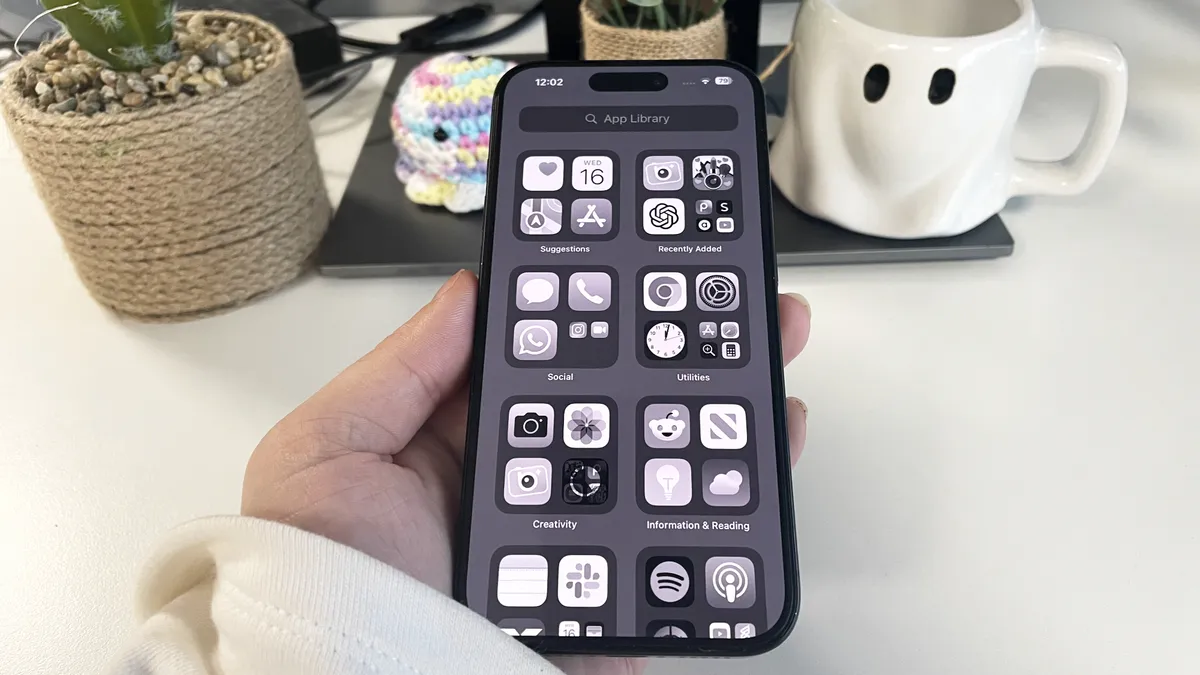
Putting your phone in grayscale mode or wearing blue light-blocking glasses may help to decrease the stimulating effects of screen lights, but that still doesn't mean you can partake in a bedtime binge-watch.
"If the content is too engaging, then we often use the term ‘just one more…’, meaning we are cutting out sleep short," Shore tells me. "Keep content simple, easy and non engaging which means it's easy to switch off from."
Shore says that the key to building a nighttime routine for better sleep is to focus on calming activities that help you to wind down — even if that's watching repeats of your favourite TV show.
"If breathing exercises and meditation work for you, then great!" she says" "If not, then find something that does, which can be any activity that helps switch off your brain and relax your body."
The products we rate for falling asleep fast



Follow Tom's Guide on Google News and add us as a preferred source to get our up-to-date news, analysis, and reviews in your feeds. Alternatively, you can read our content on the Tom's Guide app available now for iOS and Android. Subscribe to Tom's Guide on YouTube and follow us on TikTok. Finally, you can visit our dedicated Tom's Guide Savings Squad hub for expert help on getting the best products for less.