

Google's massive AI expansion in Finland has come at a startling environmental cost. Approximately 250,000 trees have been cut down at one planned data center site, and Finnish authorities have ordered the company to halt work while environmental reviews are completed.
According to a new investigation published Thursday by The Guardian, Google cleared roughly 330 hectares of forest in Muhos, Finland, as part of a €13 billion investment in AI infrastructure. That's an area larger than 450 American football fields.
And that's only one location. Environmental experts estimate another 150,000 trees were removed at a second site in Otanmäki, bringing the estimated total to approximately 400,000.
The controversy is raising difficult questions about the environmental price of the AI boom, particularly as Google, Microsoft and other technology companies race to build the infrastructure needed to power increasingly sophisticated AI models.
What happened in Finland?
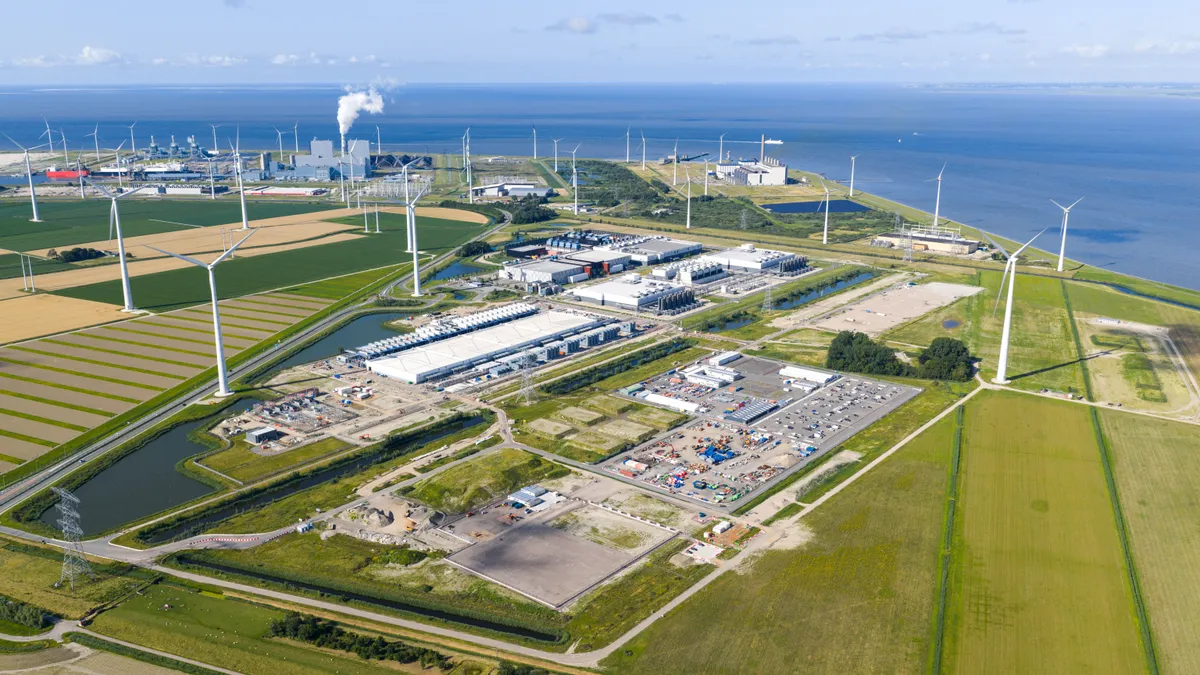
Google announced its €13 billion investment in September, describing the expansion as its largest single investment in Europe. The company promoted the economic opportunities and environmental commitments associated with the project.
But the construction plans quickly ran into trouble. According to Finland's national broadcaster Yle, authorities ordered Google's subsidiary, Tuike Finland, to stop environmentally significant work at its planned data centers in Muhos and Kajaani until mandatory environmental impact assessments are completed.
The clearing involved more than cutting down trees. Workers also removed topsoil, constructed roads and altered drainage systems, potentially affecting the surrounding environment.
The Guardian reports that residents have raised concerns about muddy runoff entering waterways connected to the Oulujoki River.
Google initially maintained that its forestry activities complied with Finnish law. However, the company's Finland country manager, Antti Järvinen, subsequently apologized for the clearings, explaining that Google believed it was operating within the rules.
The company has also outlined plans to plant trees across 130 hectares in Muhos as part of its biodiversity efforts.
AI's environmental footprint is becoming harder to ignore

Behind services such as Gemini and ChatGPT are enormous data centers filled with powerful processors. These facilities require land, electricity, cooling systems and supporting infrastructure.
Finland has become attractive to technology companies because of its relatively cool climate, available land and energy resources. Cooler temperatures can help reduce the electricity needed to keep servers from overheating.
But that doesn't eliminate the environmental impact of building new facilities. Forests absorb carbon dioxide, support wildlife and help regulate local ecosystems. Clearing hundreds of hectares to make room for computing infrastructure raises questions about how companies balance AI development with their environmental commitments.
There's also the issue of who benefits. While new data centers can bring construction jobs, tax revenue and investment to communities, residents may also face environmental disruption and concerns about future electricity costs.
The bottom line
Google isn't alone in building enormous new data centers to support AI, and the technology's growing demand for computing power means more projects are likely.
The controversy in Finland shows that the environmental consequences go well beyond the electricity needed to run an AI chatbot.
Google has promised investments in sustainability and biodiversity, but replacing hundreds of thousands of mature trees is not as simple as planting new ones.
Follow Tom's Guide on Google News and add us as a preferred source to get our up-to-date news, analysis, and reviews in your feeds. Subscribe to Tom's Guide on YouTube and follow us on TikTok.

More from Tom's Guide
- OpenAI unleashed thousands of AI agents to study a Parkinson-like disease — here's what they found in 32 minutes
- 7 ChatGPT plugins that are a must-have for anyone with a side hustle
- ‘Babe, wake up, the internet is collapsing’: Two massive flaws just broke the web, and the data of billions is in the crossfire