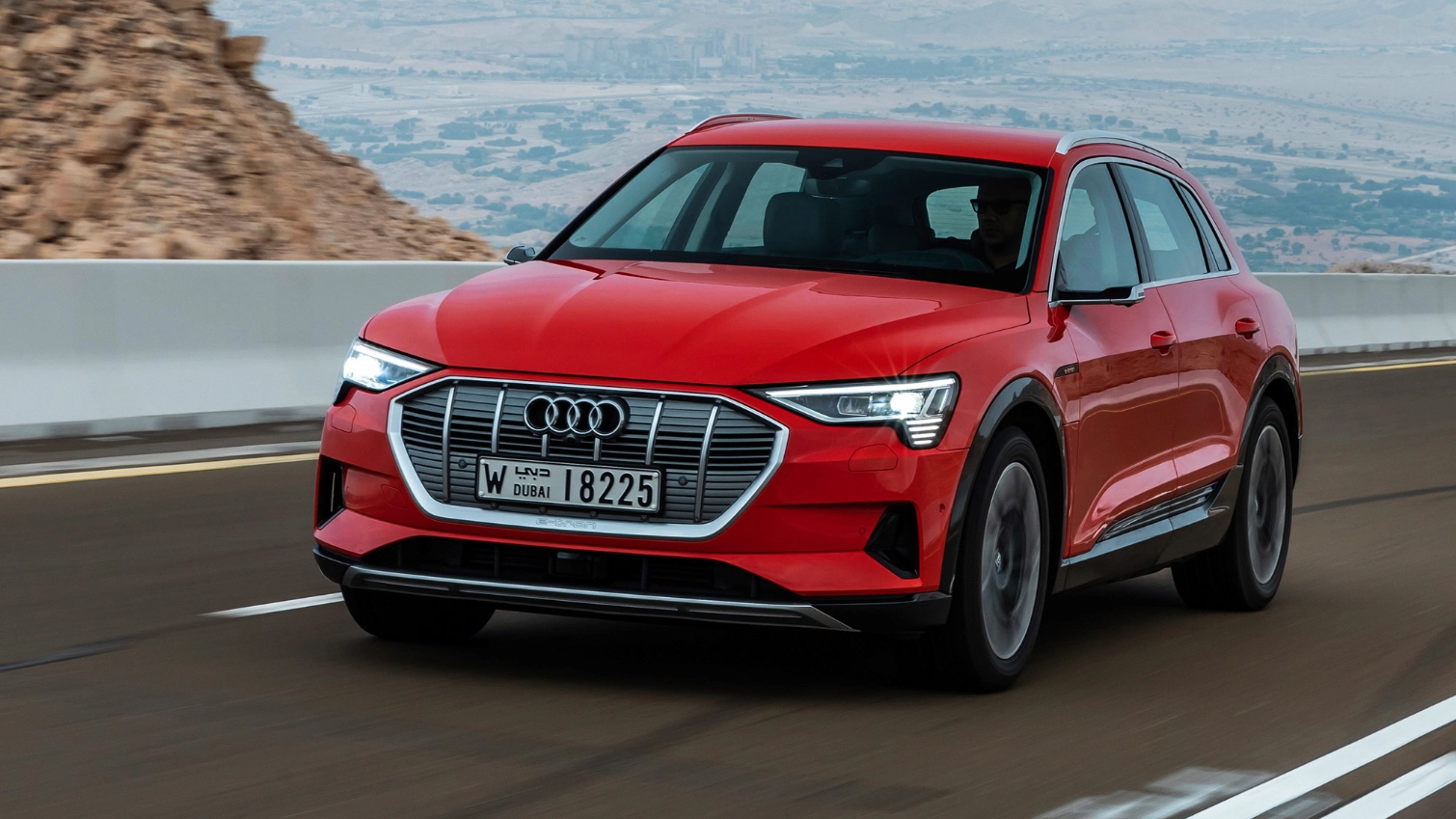
Audi will stop launching cars with internal combustion engines (ICE) from 2026 as it pursues an all-electric future.
While Audi said it's last ICE car won't roll off the production line until 2033, it'll surge forward with electric vehicles in five years time. So expect to see a lot more e-tron cars, like the Audi Q4 e-tron, from the German automotive giant.
- These are the best electric cars you can buy right now
- Electric cars: Every EV coming this year and beyond
- Plus: Everything we know so far aobut the Mercedes EQA 2022
That is assuming people are still buying ICE cars in 12 years time. Audi could pull the plug a bit earlier if sales of ICE cars fall so low it’s not even worth making them anymore. It also depends on whether the company will even be able to sell new ICE cars by then.
A number of countries, notably larger European countries like Germany and the U.K., have already announced plans to ban the sale of new ICE cars before 2030. Though there would still be a market in countries like the U.S. and China, which won’t be enforcing their own ICE bans until much later.
“Through our innovative strength, we offer individuals sustainable and carbon-neutral mobility options. I don’t believe in the success of bans. I believe in the success of technology and innovation," Audi CEO Markus Duesmann said. “The exact timing of the combustion engine’s discontinuation at Audi will ultimately be decided by customers and legislation."
He later added that “with this roadmap, [Audi] are creating the clarity necessary to make a decisive and powerful transition to the electric age. We’re sending the signal that Audi is ready."
Of course, Audi isn’t the only company that has announced plans to phase out ICE cars and transition to electric over the next decade. Volvo will be all-electric by 2023, and GM by 2035. Even ultra-premium automaker Bentley is scrapping its gas-only cars by 2026 — though it will still be selling plug-in hybrids after that date.
There still are electric naysayers out there, and companies (like Toyota) that have seemingly been ignoring EVs in favor of other technologies. But announcements like Audi’s shows that the auto industry can see the change that’s happening, and that car makers are willing to adapt to satisfy both consumer demand and changes to local regulations.
Plus, as more and more companies jump on the all-electric bandwagon, these announcements are likely to get more frequent. And a lot can change in 12 years. Back in 2009 electric cars were little more than a gimmicky pipedream. Fast forward to 2021, and we have cars like the Tesla Model S Plaid which claims to have better acceleration that any other production car on the market.
And there’s plenty more where that came from.
- More: How long does it take to charge an electric car? What you need to know