There is nothing better than stepping into a crisp, cool house after a hot afternoon in the sun. But that refreshing indoor relief comes with a catch. While we tend to worry about dampness during winter's rainy months, summer is actually the prime season for indoor moisture issues.
Think of it as the summer paradox: when that hot, humid outdoor air collides with our cool, air-conditioned interiors, it creates a subtle dew point right inside our walls, closets, and basements. Suddenly, our indoor spaces become the ultimate incubator for mold.
To protect your home, furniture, and air quality, you have to look past basic dusting. It takes a simple, proactive defense to eliminate hidden moisture traps and keep your home fresh, dry, and breathable.
The science behind the seasonal surge
Mold thrives on a specific biological checklist consisting of moisture, warmth, and stagnant air. While winter brings external dampness, summer brings high relative humidity and micro-condensation.
When we run air conditioning or trap humid air inside, invisible moisture settles into the most vulnerable corners of the home, particularly bathrooms, basements, and laundry rooms.
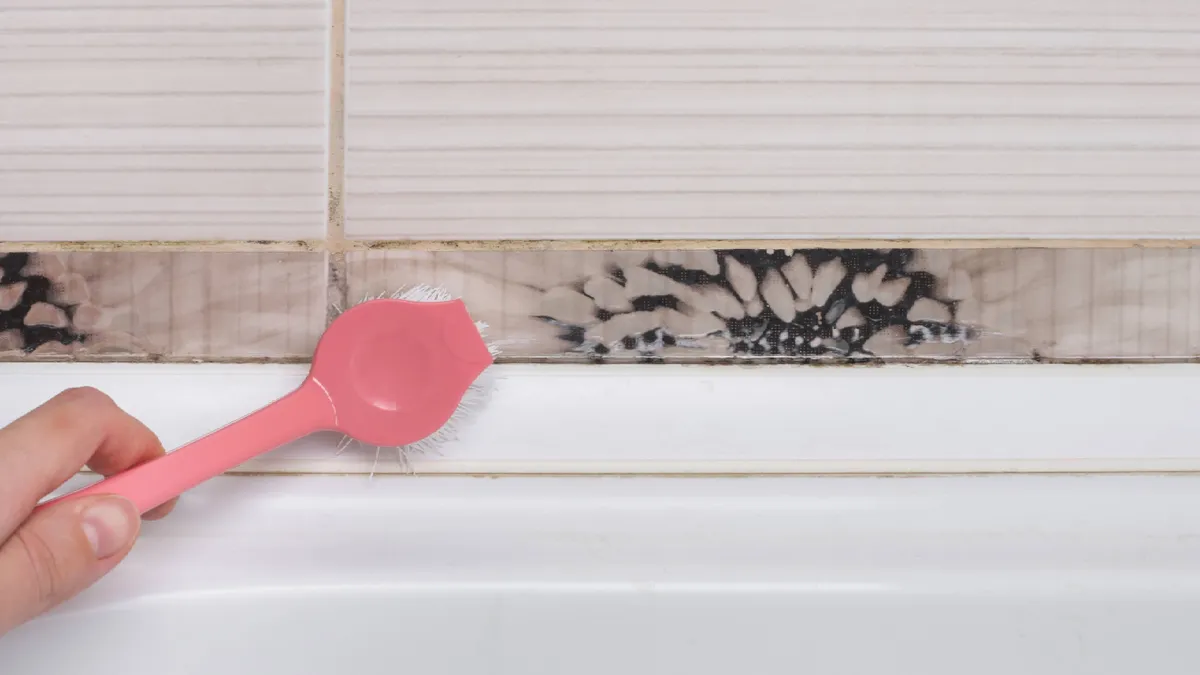
If the indoor humidity level climbs above 50%, mold spores don't just land; they multiply. This seasonal surge establishes itself as a powdery gray, white, or dark film across surface areas like grout, window sills, and shower walls.
The moment moisture is allowed to linger on these surfaces, the clock starts ticking, making immediate environmental control your first line of defense.
Disrupted airflow and environmental control
Stagnant air is mold's best friend, and bathrooms and laundry rooms easily trap steam long after you have finished using them.
If your home features an exhaust fan, you should run it for a minimum of 20 minutes after every shower or load of laundry to actively pull the heavy, moisture-laden air out of the room.
When a fan is not an option, opening a window for at least an hour forces a necessary air exchange. You should never leave a damp, unventilated room closed off on a particularly humid day.

Controlling the atmosphere also means managing what you cannot see, as basements and sub-levels naturally trap humidity during July and August.
Running a dehumidifier in these naturally damp spaces to keep the indoor humidity strictly below 50% is one of the most effective ways to prevent mold from taking root.
Because basements and attics hold onto the season's peak moisture, you should also avoid storing sensitive, porous materials like linens, books, cardboard boxes, or upholstered furniture in these zones during the summer months.
Eliminating the daily moisture traps
Mold needs standing water or consistent dampness to take hold, and in high summer, this happens faster than most homeowners realize.
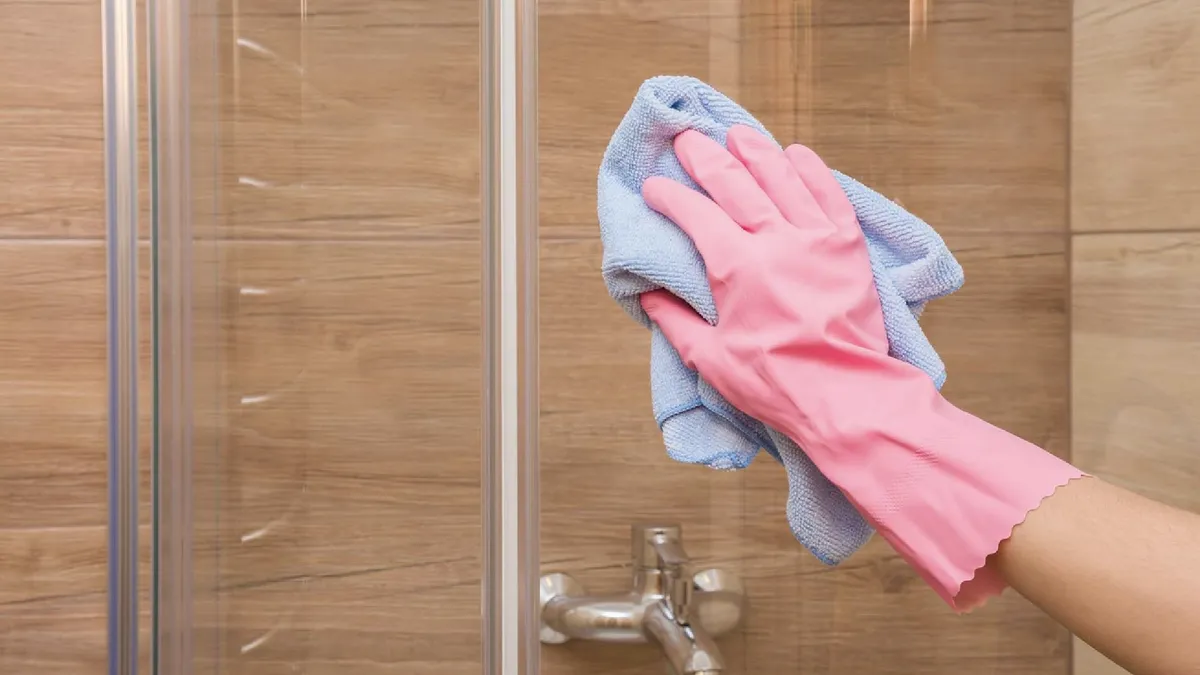
You can eliminate this risk by refusing to let water evaporate naturally off shower walls, doors, and tubs. Taking 30 seconds to squeegee these surfaces after a shower removes the vast majority of the ambient moisture that spores rely on to survive.
Managing fabrics requires the same level of discipline. You should never let wet swimsuits, damp towels, workout gear, or damp cleaning rags sit in a hamper, gym bag, or closet.
Summer storms and shifting humidity levels can expose hidden vulnerabilities in your home's infrastructure, making it necessary to regularly check under sinks, around toilets, and near washing machine connections for low-level leaks.

Follow Tom's Guide on Google News and add us as a preferred source to get our up-to-date news, analysis, and reviews in your feeds. Subscribe to Tom's Guide on YouTube and follow us on TikTok.
More from Tom's Guide