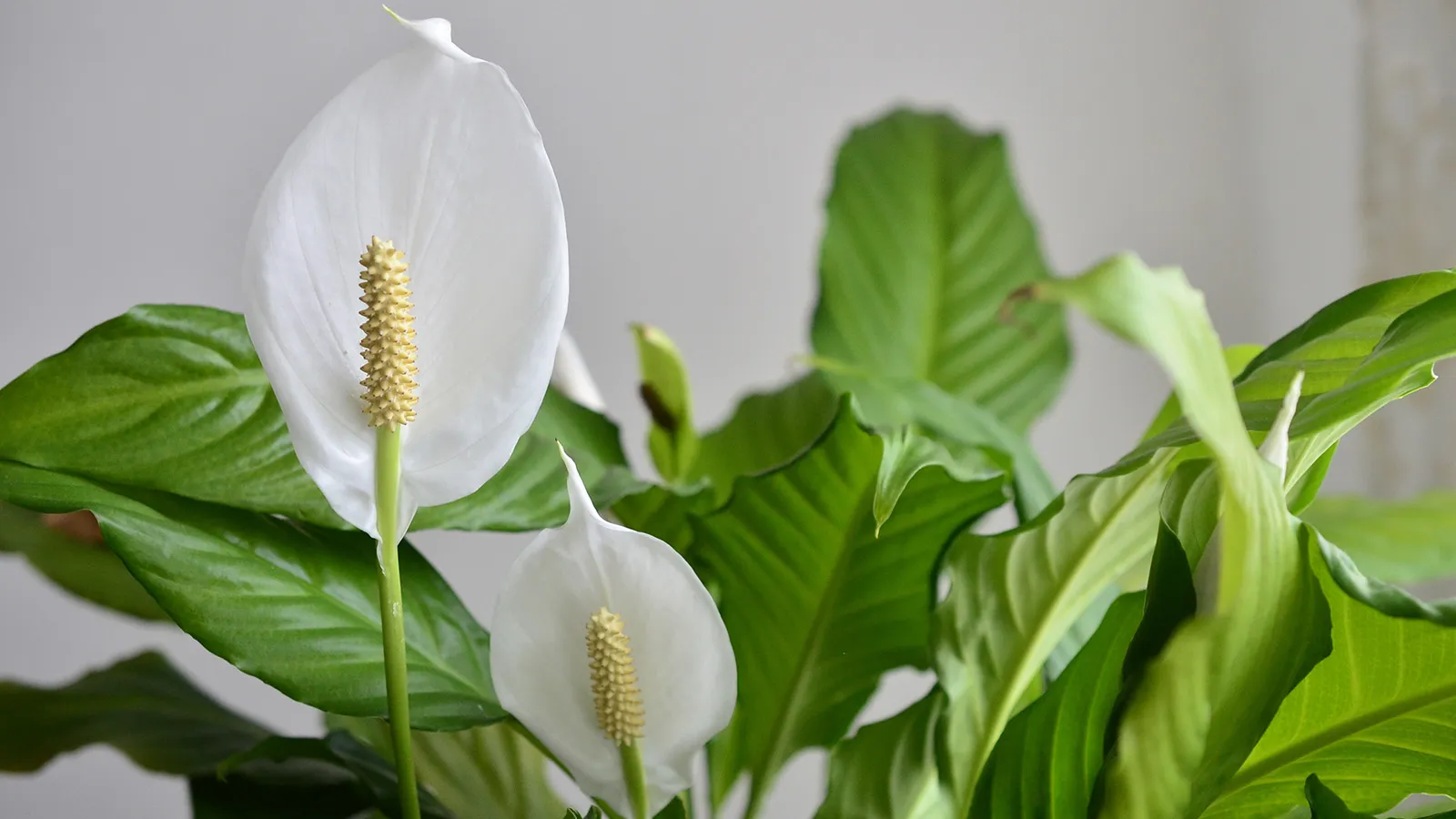
If your peace lily only flowers occasionally and you wish it bloomed more often, regular pruning is the solution. Most peace lily owners leave spent blooms on the plant until they completely die and fall off naturally, but this wastes energy the plant could use to produce new flowers.
Those elegant white blooms are actually modified leaves called bracts that surround tiny true flowers, and once they finish their flowering cycle, they start turning green and wilting. Removing these faded blooms at the right time redirects energy toward fresh growth.
This simple maintenance task takes just a few minutes but can dramatically increase flowering frequency. Here's exactly how to prune peace lilies for more blooms.
1. Why pruning increases flowering

When a peace lily bloom finishes its cycle and starts turning green and wilting, the plant continues putting energy into that dying flower if you leave it attached. Removing spent blossoms immediately frees up those resources for new growth instead.
Taking off withered flowers allows your peace lily to redirect its energy into producing new stems and blooms rather than maintaining dead material. Just as removing old stems encourages new stem production, eliminating old blooms nudges the plant into flowering again.
Being proactive about removing spent blooms as soon as they start fading results in more frequent flowering cycles and a fuller, more vigorous plant overall.
2. Know when to prune for best results
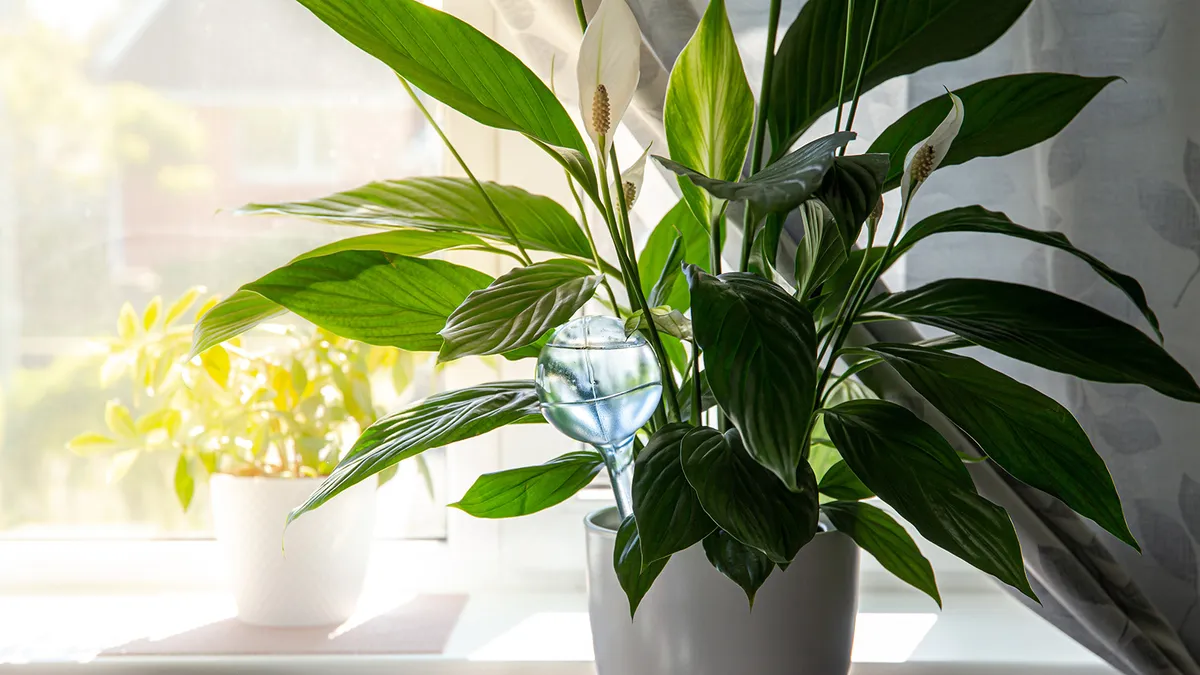
The ideal time to prune is when blooms begin showing signs of aging. Watch for the white bract turning green, wilting, or developing brown edges. Once you notice these changes, the bloom has finished its cycle and should be removed.
Don't wait until the flower is completely dead and dried out — pruning earlier gives your plant a head start on producing the next bloom. You can also prune for aesthetic reasons or to control the plant's size if it's growing too large for its space.
Beyond removing spent blooms, trim any yellowing or damaged leaves as you notice them. Peace lilies don't need regular heavy pruning, but consistent removal of dying material keeps them healthy and encourages continuous flowering.
3. Prepare your tools properly

The most important requirement for pruning peace lilies is using quality pruners or sharp trimming scissors. Clean blades are essential because cutting exposes the plant to potential bacterial infections.
Disinfect your pruning tools before starting by wiping them down with a 10% bleach solution or rubbing alcohol. You'll also want to sturdy gardening gloves, as peace lily sap contains microscopic crystals that can cause a burning or itching sensation on contact, so gloves protect your hands during the pruning process.
Keep your disinfectant handy to clean the blades between cuts, especially if you're pruning multiple stems or switching between removing blooms and leaves.

4. Make clean cuts at the correct angle

When removing a spent bloom, follow the flower stem all the way down and cut it as close to the base of the plant as possible, near where it emerges from the foliage. The stem won't produce new growth if you leave it in place, and removing it completely frees up energy for your peace lily to use elsewhere.
Make your cut at approximately a 45-degree angle rather than straight across. This angled cut prevents water droplets from collecting on the cut surface, which could allow fungal infections to develop.
After each cut, wipe your blade with disinfectant before making the next one to avoid spreading any potential bacteria or disease between cuts. Continue until you've removed all spent blooms and any yellowing or damaged leaves.
5. Prune strategically when downsizing
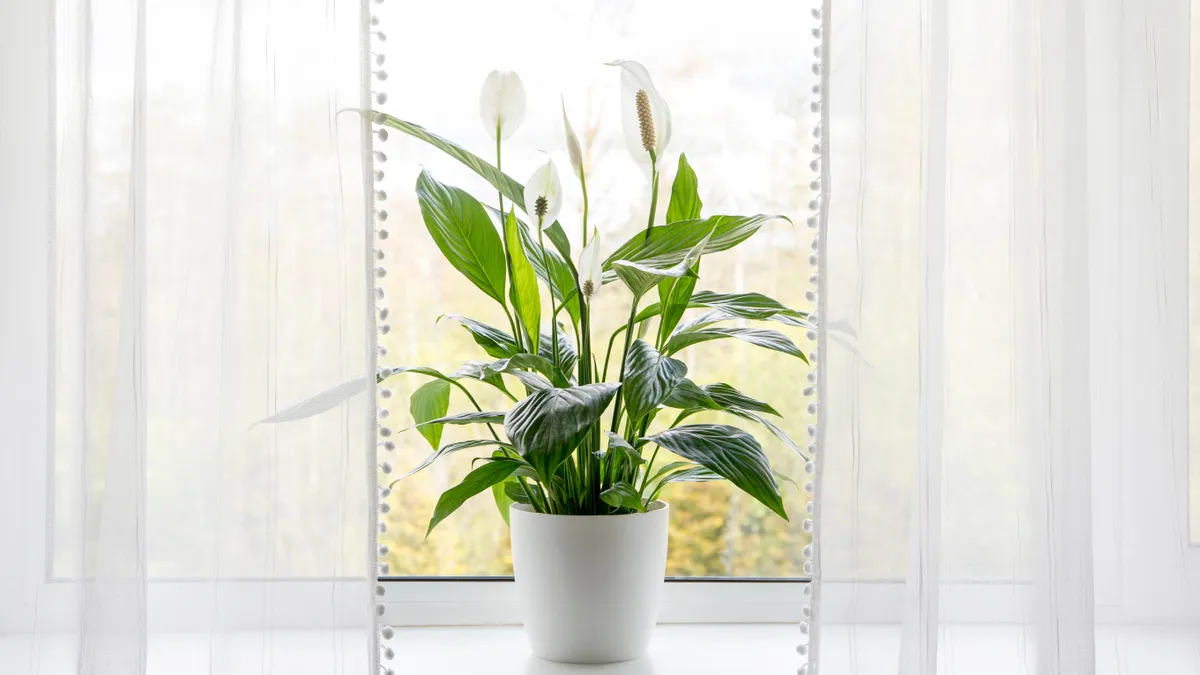
If you're thinning out your peace lily to reduce its size, start with the outermost leaves, which are typically the oldest and most mature. Peace lilies produce new growth from the center of the plant, so removing outer leaves maintains the plant's natural growth pattern.
Never remove more than one-third of the plant's foliage at once, as this severely stresses the plant. If you need to significantly downsize your peace lily, do it in stages over several months with rest periods in between.

Follow Tom's Guide on Google News and add us as a preferred source to get our up-to-date news, analysis, and reviews in your feeds. Make sure to click the Follow button!
More from Tom's Guide
- Your peace lily needs dividing if you see these signs — here's how to do it
- 5 reasons your peace lily's leaves are turning brown
- Your peace lily needs less water in the winter — here's how to help it thrive