




I just spent $25 on a garden must-have that waters my plants naturally — saving me the effort

With warmer temperatures here, our plants and gardens will also be feeling the heat this summer. And whether you’re a plant parent or growing veggies, it’s vital to keep up your watering schedule, or else your plants will be literally parched and end up dying.
Admittedly, I’m guilty of neglecting my watering schedule, mostly because I simply lack the time (or the energy) after a long day. That’s when I discovered this clever gardening essential that will water my flower beds naturally — without me having to lift a finger.
In fact, this method is a centuries-old water irrigation system that involves porous clay or terracotta pots. Best of all, it’s simple to use and won’t break the bank. So what are Ollas irrigation pots, and why are they my must-have tool?
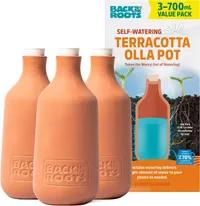
What are Ollas irrigation pots and how do they work?

Ollas (pronounced ohh-yah) are porous earthenware, clay, or terracotta pots. At first glance, it looks like an ordinary clay pot with a bulb-like appearance. But the real game-changer is its ability to slowly release water into the soil and the roots of plants when it needs it.
In fact, this isn’t a clever new viral ‘hack’ — the Ollas water irrigation system was first used 4,000 years ago in China. You simply bury the terracotta ollas pot underground until its neck, fill it with water, and it will leach out water only when the soil gets dry. This is because the water is drawn out by osmosis, thanks to its porous material. What’s more, if the ground is wet, the water will remain in the olla, which means there is no risk of overwatering the soil. Impressive!
Not only does Ollas do the hard work for you, but encourages deeper root growth. For instance, if you just water the surface, this encourages roots upwards. However, deeper roots allow your plants or veggies to tap into moisture and nutrients deeper in the soil, and they can also stay cooler. Additionally, you can add liquid fertilizer to the Ollas if you want to give your roots a nutritional boost.
How I used Ollas in my yard

Ever since we started a DIY greenhouse and raised bed area, the real challenge is that the soil can often get dry quickly — especially with the temperatures rising.
Besides setting an alarm reminder on my phone, the ollas offer a much better way to water the new seeds or plants regularly. Best of all, setting it up is a breeze and only takes a few minutes of your time.
First, I dug a small hole in the soil to bury the olla, leaving 1-2 inches above the soil surface (with the neck out) to keep dirt and soil from getting inside.

Next, I packed the surrounding soil closely around the Ollas to prevent air pockets, as you want to ensure that the water can easily move into the soil and keep roots growing healthy.
I used a watering can to pour water in through the top before putting the lid on — then you simply leave it to do its work. The water will slowly leach out to provide essential hydration to the surrounding soil, keeping your thirsty plants quenched.
You'll need to refill your Ollas once or twice a week, depending on the water level, as you don’t want it to dry out. Also, if you have more than one Ollas, be sure to space them correctly — the general rule of thumb is every 2 – 3 feet in the yard for best irrigation. You can also buy various sizes to suit your outdoor space and even use in your pots or containers. Just remember where you've buried them all!
I still have yet to see how well my vegetable seeds will grow; however, this affordable water irrigation is a must-have for any gardener. Plus, it comes in handy as a self-watering pot while you’re on summer vacation too — which is a bonus.

Follow Tom's Guide on Google News and add us as a preferred source to get our up-to-date news, analysis, and reviews in your feeds.
More from Tom's Guide

