




You’ve overpacked your suitcase and miraculously managed to zip it. You’ve checked that your passport is in your document wallet over and over. And most importantly: you’re certain that you’ve got the right dates for your getaway.
But as you step out the front door, panic sets in — what about the backyard? After five months of feeding, weeding and watering your garden, you’ve neglected to plan how to nurture it while you’re away. Will it still be blooming when you return?
Here are four tips to ensure your garden will look just as lush as the day you left.
4 holiday garden mistakes to avoid this August

Beyond covering your patio furniture and packing up your beloved grill, there are a few extra jobs to tick off in your yard before heading on a vacation. Take it from me: I recently returned from a two-week vacation to discover a yard full of wilting flowers and overgrown weeds.
So, if you don’t have a trusted neighbor to step in, here’s how to hydrate your perennials the smart way this August, according to David Denyer, florist and garden expert at eflorist.
1. Don't leave your potted plants in direct sunlight
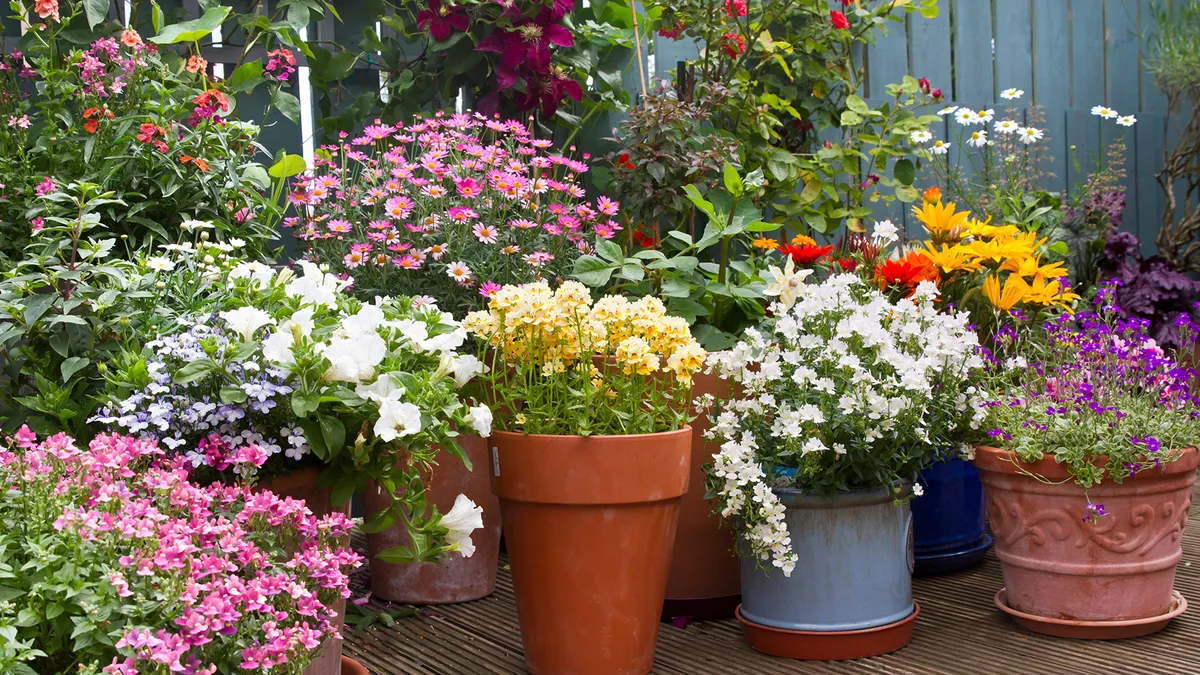
Even if you’re working with plants that thrive in the summer sun, consider moving them to a shady spot before you pack up the car. This way, they won’t dry or even possibly wilt while you’re out of state. “The extra heat and intense sunlight could dry them out fast,” says Denyer, so it’s best to be safe than sorry.
2. Don't forget to deadhead
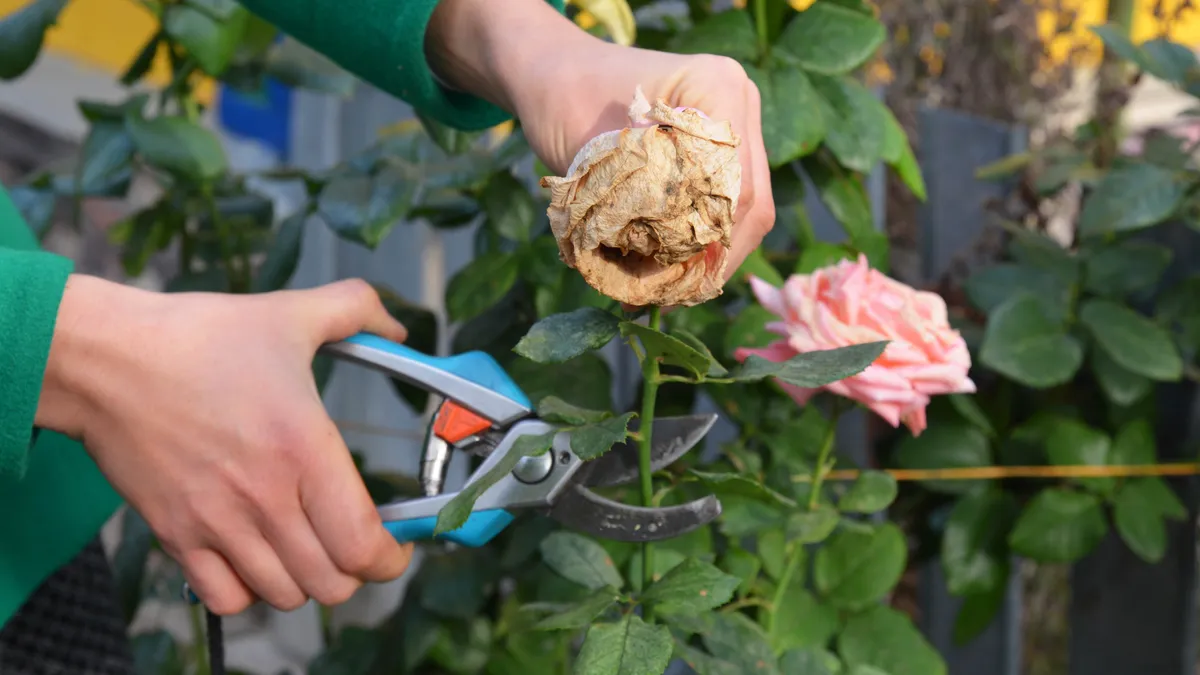
Arguably one of the most important things you can do in your garden, especially if your vacation is longer than a few days, is to identify any flowering plants before you head off.
“Plants can grow at a rapid rate at times, and after some time away, we can return home to what seems like a jungle,” says Denyer.
If any blooms are faded or finished, go ahead and snip them off, always using a clean, sharp pair of pruning shears to avoid spreading disease.
This way, while you’re away, your plant can focus on the important things — like growing new seeds and buds.
3. Don't forget to give your garden a big drink

Giving your plants a generous watering the day before your trip will put them in a great position before you head off. So even if you can’t rely on a neighbor, you’ve got peace of mind that they’re hydrated.
Got any plants with saucers underneath their pots? Fill these with a little water for some bonus points! But be careful: “Soggy roots and overwatering can be a cause for concern, and potentially cause fungus gnats to appear,” explains Denyer.
4. Don't overlook self-watering globes
Self-watering globes are clever pieces of kit designed for a good reason — to drip-feed your plants water over a longer period of time. They come in different sizes depending on how long you’re away from home, but I always say the bigger the better, as the larger the globe, the more hydration your plant is guaranteed.
“Simply fill them up and pop them into the soil just before you leave, and they’ll do the watering for you while you’re on holiday,” says Denyer.
However, he says they are more helpful for indoor plants, as the size-to-soil ratio is more ideal. For outdoor use, he suggests making your own.
How to make your own self-watering globe
You can make your own self-watering device using a water bottle; Denyer recommends using a glass rather than a plastic bottle to avoid placing any microplastics in the soil.
“If you’re going to use this method to water your plants while you’re away, the best way to do it is with a clay spike or cone attached,” he explains.
“Simply screw or secure it onto the top of the bottle, flip it upside down, and stick it into the soil. By adding this, it means the clay will only let water out when the soil’s dry enough to actually need it, so your plant gets a drink only when it’s thirsty.”
You can also simply poke some small holes in the bottle cap instead, and the water will slowly drip out over time to allow for continuous hydration.
Gardening essentials we love

Follow Tom's Guide on Google News and add us as a preferred source to get our up-to-date news, analysis, and reviews in your feeds.
More from Tom's Guide

