




A nationwide vishing scheme was linked back to two men who were incarcerated in a South Georgia state prison. Surprisingly, they managed to pull off a massive voiced-based phishing scam from behind bars using unauthorized cell phones. The two men were recently found guilty of various charges for their fraudulent voice phishing scam that cheated more than 100 people across the nation out of more than $464,000.
According to reporting from WALB, the victims were called by the two inmates who pretended to be law enforcement officers. They informed their targets that they had warrants out for missing jury duty summons.
From there, potential victims were instructed to pay a “bond” in gift cards, reading the numbers off the back of the cards over the phone to the fake officers in order to avoid being arrested. The inmates also informed their targets that they were under gag orders so they could not speak about their warrants until the bond was paid.
How to avoid vishing scams
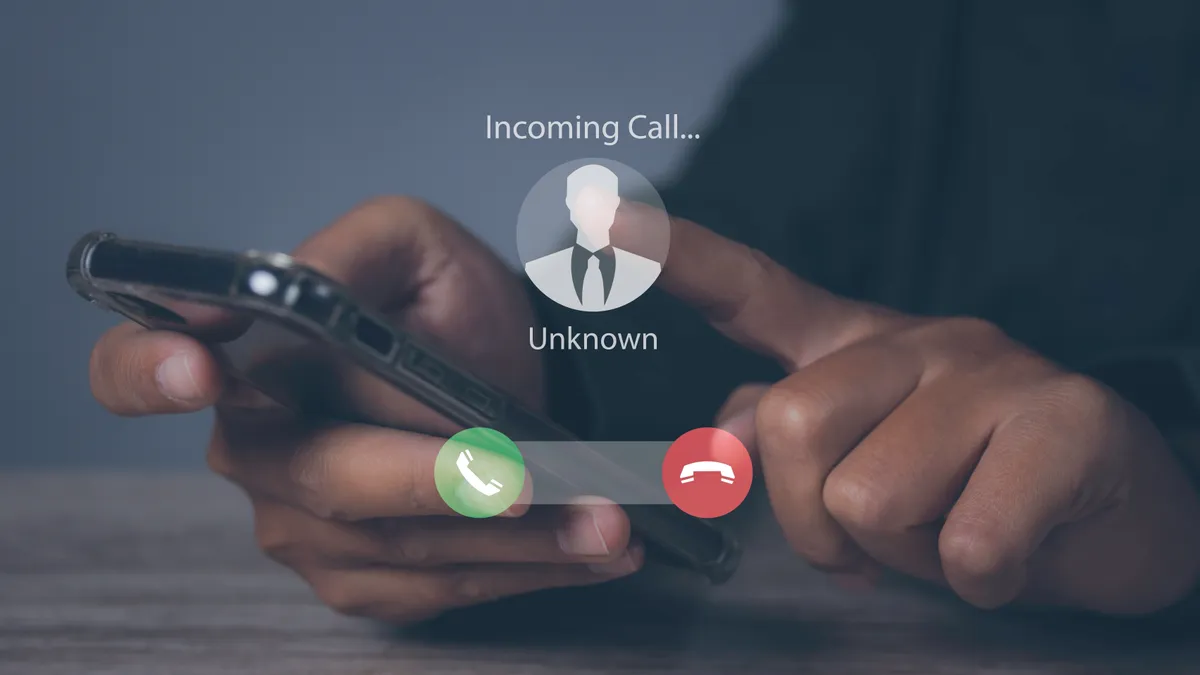
Staying safe from vishing scams is often fairly similar to avoiding text or email phishing scams, so to start, be suspicious of any calls from people you don't know and even avoid answering calls from numbers you don't recognize when possible. You can't always trust caller ID either, as many of those numbers can be spoofed.
Additionally, be suspicious of calls that have any element of urgency, immediacy, or contain a threat, especially if it's of a legal or financial nature, i.e. a threat to issue a warrant or arrest you, issue a fee or charge you or a threat to close an account. Never give anyone you don't know access to your computer or phone, or provide any codes like multi-factor authentication ones.
When in doubt, or if something feels off during a call, know that you can always put someone on hold to Google their number or the organization they're claiming to be from, or hang up entirely to call them right back.
You can also join the Do Not Call registry, to minimize the amount of spam calls you receive, use the settings in your phone to silence calls that are not in your contacts list, or use a spam filtering app to try and cut out the majority of these calls.
Perhaps most importantly, be aware that legitimate organizations never require you to pay with a gift card. That simply does not happen. Likewise with crypto. If they're not giving you multiple payment options, I would be suspicious. And if you're not familiar with a payment app or website, look it up online.
Scammers like the ones described above will go to great lengths to con you out of your hard-earned cash and apparently, even being behind bars won't stop them. That's why it's up to you to remain vigilant and educate yourself on the latest scams and tactics used by fraudsters and cybercriminals.
While the best antivirus software wouldn't have been able to help those targeted in this campaign, signing up for one of the best identity theft protection services beforehand could have helped them recover any stolen funds.

Follow Tom's Guide on Google News and add us as a preferred source to get our up-to-date news, analysis, and reviews in your feeds.
More from Tom's Guide
- Check your inbox: These companies were the most impersonated in phishing attacks in 2025
- FBI issues urgent warning over 'quishing' scam — don't fall for this
- That mystery gift might be a scam: What brushing scams are and what to do about them

