As you age, balance becomes a crucial component of fitness. According to the CDC, falls are a leading cause of injury among adults over 50, often setting off a cascade of setbacks that can impact your confidence, mobility and independence.
What makes fall prevention tricky is that balance is more complex than simply standing on one foot. Research shows balance involves an interaction between muscle strength, coordination, reaction time and your nervous system’s ability to respond to unexpected challenges.
Fortunately, there’s a straightforward and accessible way to boost your fitness and reduce your fall risk. It’s called “stability stacking.” Instead of training balance in isolation, stability stacking layers multiple exercises to better prepare your body for real-world situations like uneven sidewalks, crowded spaces, or sudden trips.
Here are six trainer-approved moves to try right now.
Six 'stability stacking' exercises to learn
“Fall risk increases substantially as we age due to several factors, like age-related muscle loss (sarcopenia) and loss of balance, coordination and proprioception,” explains Amanda Dvorak, CPT, a certified personal trainer.
“Falling can be detrimental to an older adult’s independence, particularly if significant bone density loss results in fractures.”
Below are six trainer-designed stability-stacking exercises that will progressively challenge your balance, coordination and reaction time. Aim to do them together as a single workout two to three times per week, using the recommended sets and time ranges listed under each movement. Always work near a wall or secure surface if you’re new to balance training.
1. Heel to toe walk
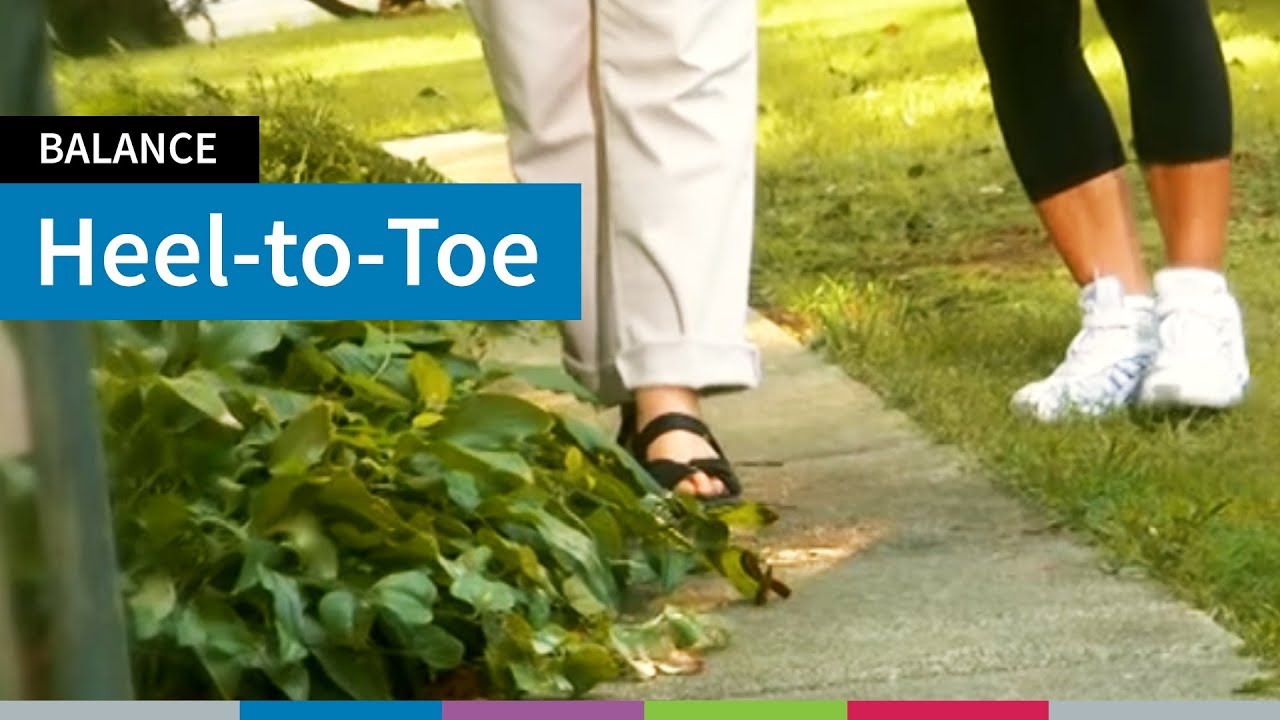
Why: This exercise narrows your base of support, forcing your ankles, hips and core to make constant micro-adjustments. It closely mimics situations like walking along a curb or through tight spaces, helping improve coordination, balance and stability.
How:
- Stand tall on a firm, flat surface.
- Place the heel of one foot directly in front of the toes of the other, as if walking on a tightrope.
- Take slow, controlled steps forward while keeping your gaze straight ahead.
- Maintain good posture and avoid walking fast.
- Walk for 10 to 20 steps, then turn around and repeat.
- Complete three rounds with 30 to 45 seconds of rest between.
2. Single-leg reach
Why: Single-leg control is critical for climbing stairs and safety while walking. This drill challenges balance while training your hips and ankles to stabilize your body as your center of mass shifts.
How:
- Stand on one leg with your knee slightly bent.
- Lightly touch a wall or chair for support if needed.
- With your free leg, reach forward, then return to center.
- Repeat reaching to the side and diagonally behind you.
- Keep your hips level and your torso upright throughout.
- Perform three sets of 15 to 20 reps per side, resting for 45 to 60 seconds between sets.
3. Dual task tandem walk
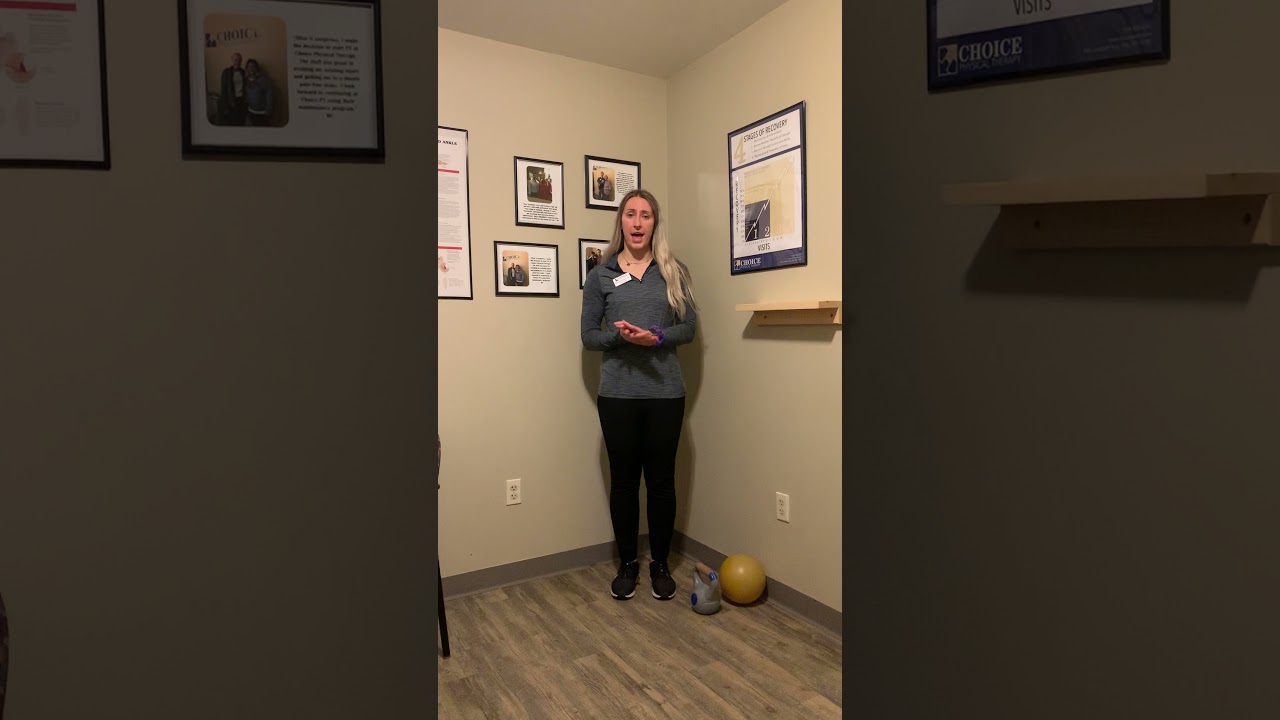
Why: This exercise trains your brain and body to manage movement and thinking at the same time, because in real life, balance rarely happens without distractions.
How:
- Assume a heel-to-toe stance or begin a slow tandem (heel-to-toe) walk with one foot directly in front of the other and touching.
- While balancing, perform a simple mental task such as counting backwards from 20 or naming items from a category.
- Keep your posture tall and your steps slow and controlled.
- If you start to lose your balance, simplify the cognitive task or widen your stance while walking.
- Take 10 to 20 steps in one direction, then turn around and walk back the same way.
- Repeat for three rounds with 45 to 60 seconds of recovery.
4. Reactive stepping
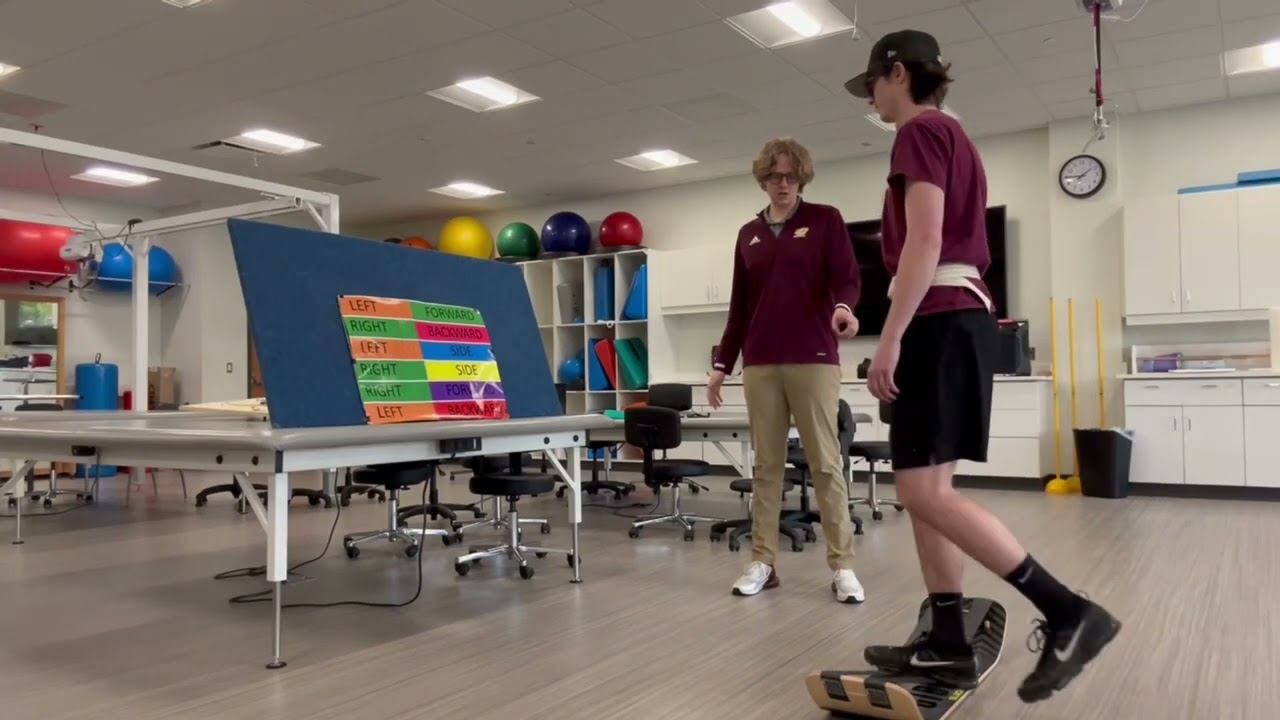
Why: Many falls happen when you don’t react quickly enough to a loss of balance. Fortunately, reactive stepping can help improve your response time and teach your body how to recover quickly and safely.
How:
- Stand up tall with your feet hip-width apart.
- Use an external cue, such as a metronome, timer, or a partner.
- On each cue, step quickly in a specified direction, either forward, backward, or sideways.
- Return to the starting position with control.
- Stay light on your feet and avoid stiff movements.
- Complete three 45- to 60-second rounds, resting for 45 to 60 seconds between rounds.
5. Lateral stability stack (side step + single-leg hold)
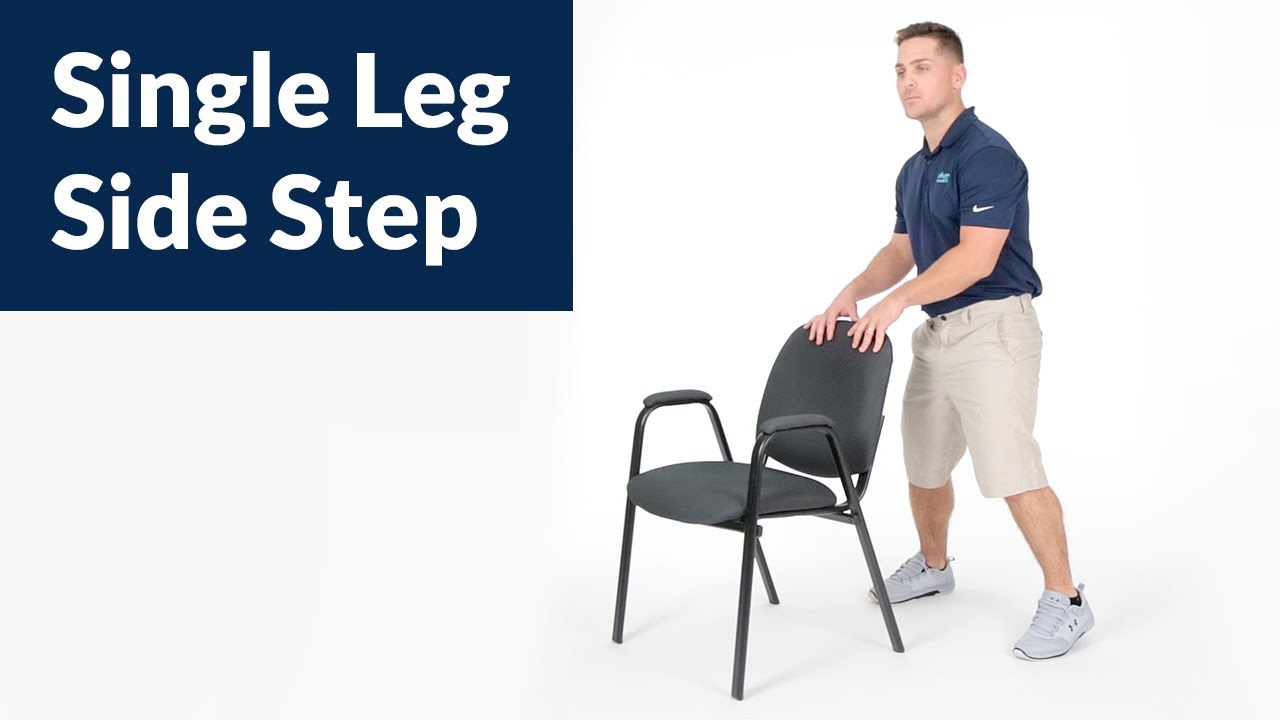
Why: Sideways falls are especially dangerous as you age, and lateral stability is an often-neglected aspect of fitness for older adults. Regularly doing this exercise can help correct that by strengthening your hips while building stronger legs.
How:
- Stand tall with your feet together.
- Step laterally to one side, transferring your weight onto that foot.
- Hold the landing position for two to three seconds in a single-leg stance.
- Step back to the starting position.
- Repeat on the opposite side.
- Perform three sets of 15 to 20 steps per leg.
- Rest for 45 to 60 seconds between sets.
6. Multi-directional weight shift
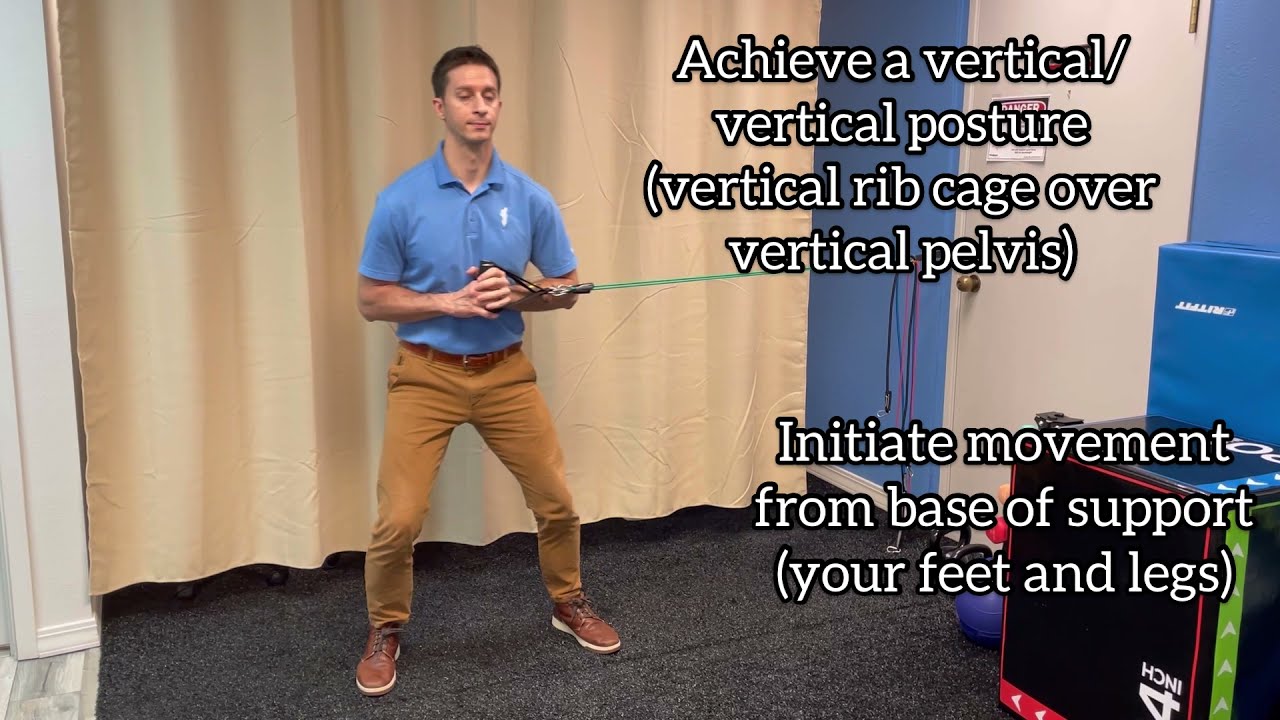
Why: This slow and deliberate drill trains proprioception (your body’s awareness of its movement through space) and builds control through multiple planes of movement. These skills are essential for maintaining independence and mobility, so you can confidently perform daily tasks.
How:
- Stand with your feet hip-width apart.
- Shift your weight onto one foot.
- Reach your opposite foot or arm toward different “clock positions” (1 o’clock, 3 o’clock, 6 o’clock, etc.)
- Return to the center between each reach.
- Move smoothly and with control.
- Repeat for three 45- to 60-second rounds, resting for 45 seconds between each.

Follow Tom's Guide on Google News and add us as a preferred source to get our up-to-date news, analysis, and reviews in your feeds.
More from Tom's Guide
- Forget sit-ups — I tried the sprinter bridge instead to boost my core strength, and here's what happened
- 5 chair exercises that build functional strength after 50 — and they're beginner-friendly
- Forget crunches and sit-ups: This beginner-friendly 'core crusher' abs workout builds strong muscles without them