These four exercises for hypermobility will help you strengthen and stabilize your hips, and they come directly to you from a movement and mobility coach. If you experience hip pain, pinching, instability, or residual pain elsewhere in your lower back or knees, you could be experiencing hypermobility. Rather than stretching, try stabilizing instead.
Movement can be medicine, but it can also hinder if not done correctly, so remember to listen to your body and follow the advice of a professional like a physical therapist or physician before trying a new exercise routine.
Andy Hsieh, movement specialist and owner of Movement Reborn, says he likes to look at the body holistically, so there might be other areas, like managing your nervous system or recovery routine, that require your attention, as well as your workouts. If you would like to get started with these exercises, listen to Andy’s advice carefully and be patient — here are the potential benefits for your hips.
What are the hip exercises?
“Learning how to stabilize the hip is not just about the hip itself; it’s the connection from your foot through to the knees to the hips to the rest of your body,” says Hsieh. In other words, a hip issue is never just a hip issue; it could mean something is going on just above or just below the hips, making them work harder.
If the hip feels unstable, the joints may not sit or move correctly, so lunging or squatting can become uncomfortable. You might also notice your hips overcompensating by pushing outward when the knee pronates (turns inward) during certain lower-body exercises.
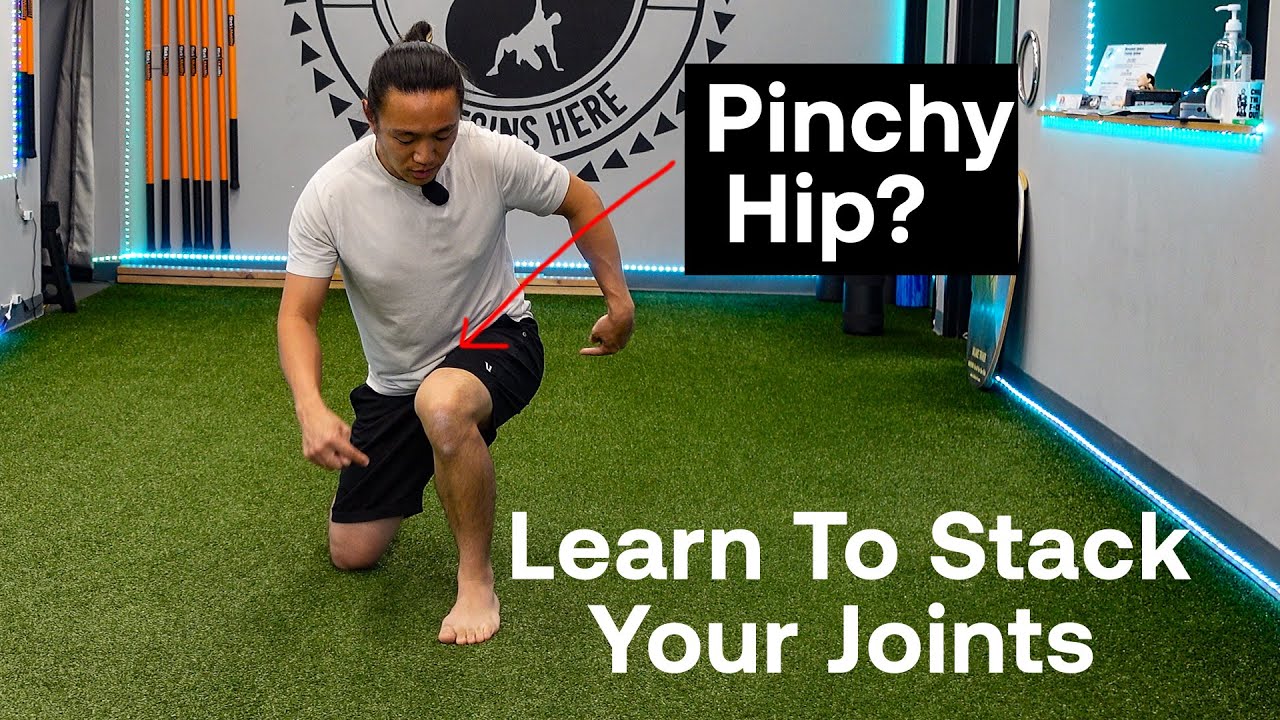
Try these moves and check out Hsiah's video.
1. Glute and quad activation
Hsieh recommends standing with your weight mostly on one leg, then hiking that hip inward, then squeezing your quad and glutes as tightly as you can, which helps to straighten up the knee without hyperextending or locking out. Unstable hips usually mean unstable knees, so practising this will help activate the glutes, quads and knees and keep the joints properly aligned.
2. Static kneeling lunge
Kneel on one knee with your knee stacked over your ankle. Next, pull the knee slightly back, but shift your upper body forward over the front foot and ankle. Next, pull the hip back and in slightly while pushing your knee in line with your pinkie toe; this stops it from collapsing inward.
It might not seem like much, but it will ensure you are stacking and aligning your joints correctly so that one area isn’t compensating for another. When you do this, you can stand from a kneeling or lunging position safely and without creating more tension or moving the hip out of alignment.
3. Frog pump
Start seated with a loop or resistance band just above your knees, then lie down and allow your knees to fall wide with the soles of your feet together. Push your knees out against the band, then lift your hips into a bridge and squeeze your glutes. Exhale as you engage your glutes and feel your ribcage flatten, which will help you to engage your core, especially the lower abdominals. At the top of the exercise, you want to feel tension in your glutes and abs while creating a straight line from knees to shoulders.
Aim for 5-6 slow, controlled reps throughout the day.
4. Passive core stability activation
Lie on your back with your knees bent and feet hip-width apart.
Find your belly button and place your hands just beneath. Do a little cough, then try to hold this taut feeling in the stomach and notice how that feels under your hands. Next, try to lift a leg into the air as you hold the tension. If you can, lift the other leg so that both are at 90 degrees. As you exhale, try to flatten your ribs down and draw everything in; the tailbone might lift a little off the ground.
Practice this a few times so that eventually you lift the legs as you exhale and use the lower abdominals to pull the legs up rather than your hips. This will help you to use your midline muscles during workouts, rather than relying on the hip flexors. Slowly lower your legs and reset the breath using your core to lower everything down.
Don’t let your hips do all the work — tell the glutes and core to take some of the load off, they need a break.

Follow Tom's Guide on Google News and add us as a preferred source to get our up-to-date news, analysis, and reviews in your feeds.
More from Tom's Guide
- I'm a personal trainer — this one-minute stretch opens your shoulders and builds upper body flexibility
- No, not planks! I'm a PT for seniors, and these are the 4 best exercises you can do for core stability at every age
- This is the minimum amount of cardio you really need each week — and how to achieve it