If you’ve done a Pilates class, you’ll be familiar with the Pilates hundred — a staple move that fires up your core and warms your body up. It’s called the hundred because you perform 100 reps of the move, with 10 sets of 10 rhythmic arm pumps, coordinated with 10 full breaths. Read on to find out more and why I use this exercise every time I practice Pilates.
As a reminder, what works for me might not be right for you and your body. If you’re a complete beginner, you’re pregnant or postpartum, or you’re currently dealing with a specific injury, it’s always best to seek personalized advice from a qualified professional.
What is the exercise?
Pilates hundreds look simple, but the key is really engaging your core. To do this, think about sucking your belly button into your spine, bracing your midsection as if you were about to be punched. I also like to think about zipping my abs up and in, like I were trying to squeeze into a pair of jeans a size too small, engaging my pelvic floor too.
Here’s how to do the Pilates hundreds with good form:
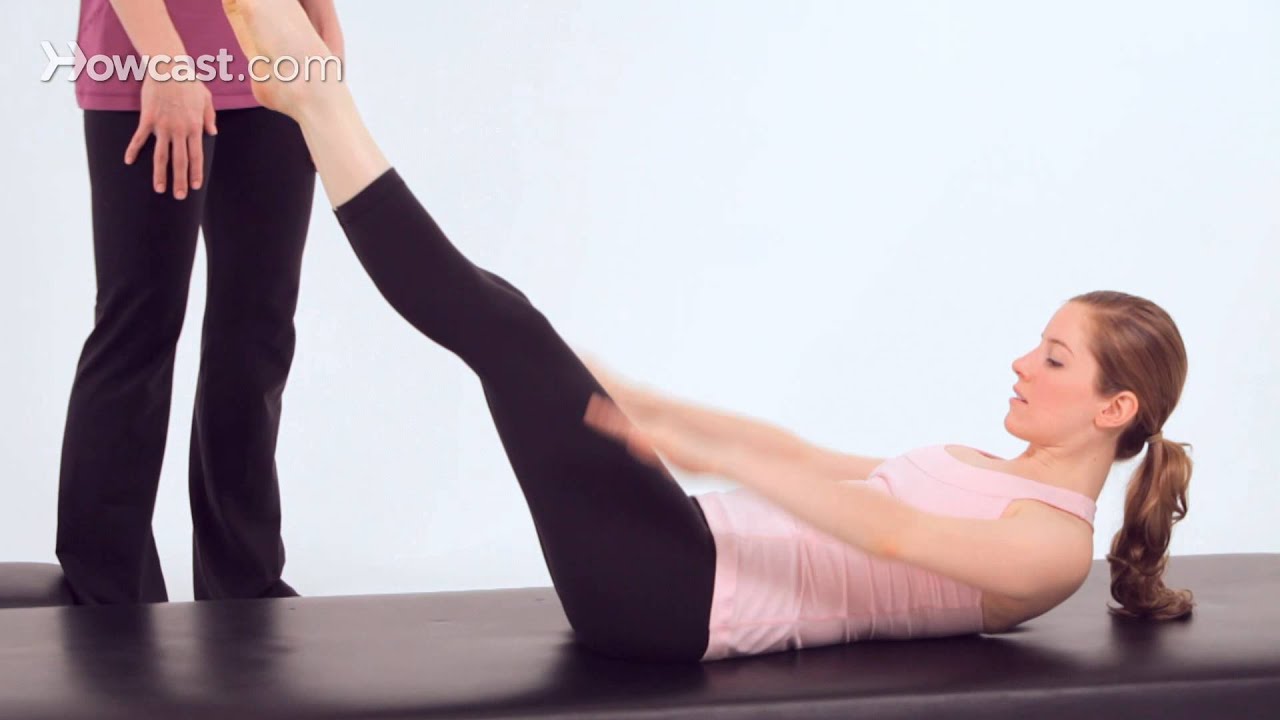
- Start by lying on your back. Engage your core and lift both legs into a tabletop position with a 90-degree bend in your knees. Make sure your knees are over your hips.
- Exhale and curl your head, neck, and shoulders off the floor. Reach your arms by your side and hover them a few inches off the mat.
- Pump your arms up and down by your sides while holding this position.
- Inhale for 5 pumps, exhale for 5 pumps, and repeat 10 times.
What are the benefits?
Fires up the core
Unlike crunches and sit-ups, there’s no movement here, but your core will be working to stabilize your body as you hold yourself in the c-curve and pump your arms. It might not feel like much, but you’re building endurance in the rectus abdominis and obliques, as you’ll be holding your core under tension for roughly 60-90 seconds.
Raises your heart rate and engages your breath
Pilates breath can be tricky to master, but this exercise uses a specific pattern to help you get into the rhythm of taking deep breaths while your muscles are contracted. This is a vital skill for runners and cyclists, who need to learn to take these deep breaths while working hard. You’ll also raise your heart rate in this exercise, preparing your muscles and joints for a more strenuous workout.
Improves pelvic stability
Holding your legs in a tabletop position means your pelvis has to remain stable in this exercise. This can help build stability in the hip flexors and lower abdominal muscles, again, important for runners, especially as you’re training your body to be stable while your arms pump, shaking your balance.
Strengthens the deep neck flexors
A common complaint many people experience is tech neck — this exercise helps strengthen the deep neck flexor muscles and upper back as you’re holding your head, neck, and shoulders off the mat, looking down towards your belly button.
What are the progressions?
Once you’ve mastered the move, you can add intensity by trying the following variations:
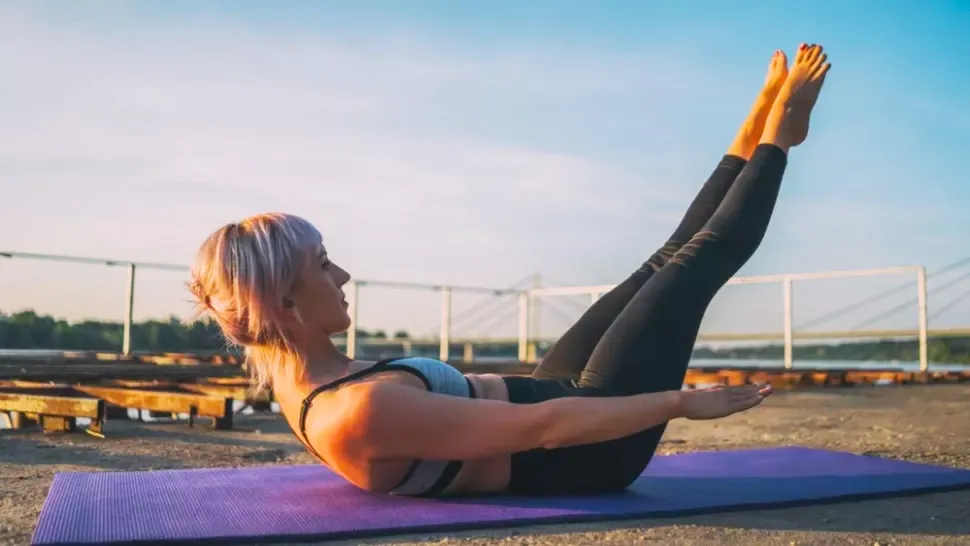
- Straighten your legs: Do the same exercise, but instead of holding your legs in a tabletop position, extend them towards the ceiling at a 45-degree angle. This increases the intensity on the lower abs and hip flexors.
- Hover your legs: This is another challenging variation. Instead of keeping your feet on the floor, straighten your legs and lower them until they are a few inches from the floor.
- Use a prop: Place a Pilates ball, Pilates circle, or pillow between your inner thighs and squeeze as you pump your arms. This forces your deep core to zip up and engages your pelvic floor muscles.
Pilates essentials we love


Follow Tom's Guide fitness on Instagram for more workouts, routines, tips, and tricks.

Follow Tom's Guide on Google News and add us as a preferred source to get our up-to-date news, analysis, and reviews in your feeds.
More from Tom's Guide
- Not sit-ups, planks, or crunches: I do this simple Pilates exercise every single day to build a strong and stable core and work on my hip flexor mobility
- Not sit-ups or lunges — I use this simple Pilates exercise to sculpt strong obliques, inner thighs and hip stabilizers
- 'I’m a Pilates instructor, and I recommend these 5 core exercises to help older clients build strength and improve posture'