According to the CDC, falls are the leading cause of injury for adults over 65. As a personal trainer who works with a lot of seniors, I see how serious falls, or even just the fear of them, can impact my clients’ lives on a daily basis.
We’ll all get older one day, so now is the time to start safeguarding your stability and strength for your senior years. One of the best ways to assess your fall risk as you age is by doing the single-leg balance test, and it can be done by almost anyone.
“Lower balance and consistently lower or declining performance were associated with a greater subsequent risk of recurrent falls,” said a team of researchers on a recent study in the American Journal of Preventive Medicine. “Earlier identification and intervention of those with poor balance ability can help to minimize the risk of recurrent falls in aging adults.”
Read on to see how to do the single-leg balance test and the score you should achieve for optimal balance.
How to do the single-leg balance test
The single-leg balance test is appropriate for most adults, but you should still check with your doctor before trying it. If you currently struggle with balance issues or other medical conditions, your doctor may advise skipping the test or substituting another assessment tool.
Here’s how to do it:
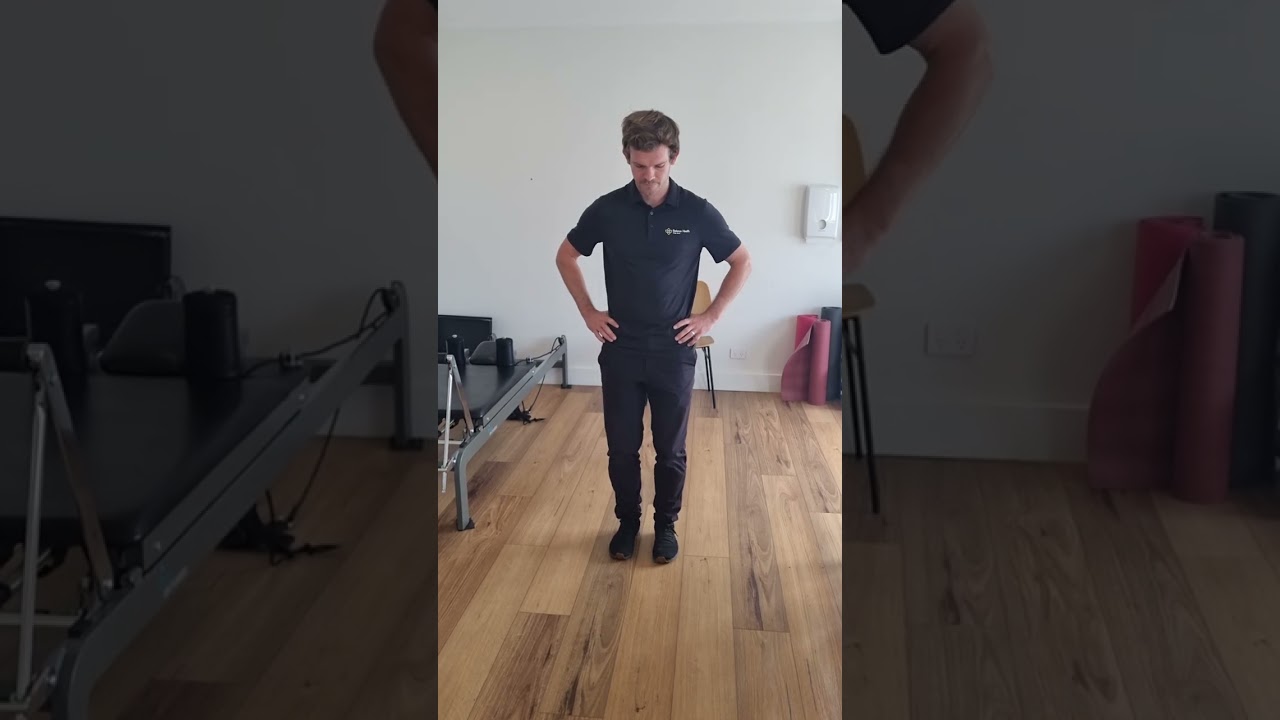
- Stand tall with your feet hip-width apart and your arms relaxed at your sides.
- Engage your core.
- Lift one foot about 6 inches off the ground.
- Maintain balance for as long as possible, without resting your lifted foot on your other leg.
- Avoid holding on to anything for support, if possible.
- Place your foot back on the floor, then repeat on the other side.
If you currently struggle with poor balance, perform this test with a chair or wall nearby.
How long should you be able to balance?
Adults should be able to balance on one leg for at least 10 seconds, with a time of 30 or more seconds considered ideal.
Those unable to hold a single-leg balance for 10 seconds are at greater risk for experiencing a serious fall, and those unable to hold a single-leg balance for at least 5 seconds are at significant risk for experiencing a serious fall.
If you’re able to hold a balance for at least 30 seconds, challenge yourself by performing the test with your eyes closed.
How to improve your single-leg balance time
If you can’t balance on one leg for at least 10 seconds, there are ways to improve your overall stability.
I give the following 3 exercises to my clients who want to sharpen their balance. You’ll just need a yoga mat and sturdy chair to do them.
As with the single-leg balance test, be sure to check in with your doctor before trying these exercises. Those with certain medical conditions or injuries may want to avoid these moves or seek out alternatives.
1. Standing marches
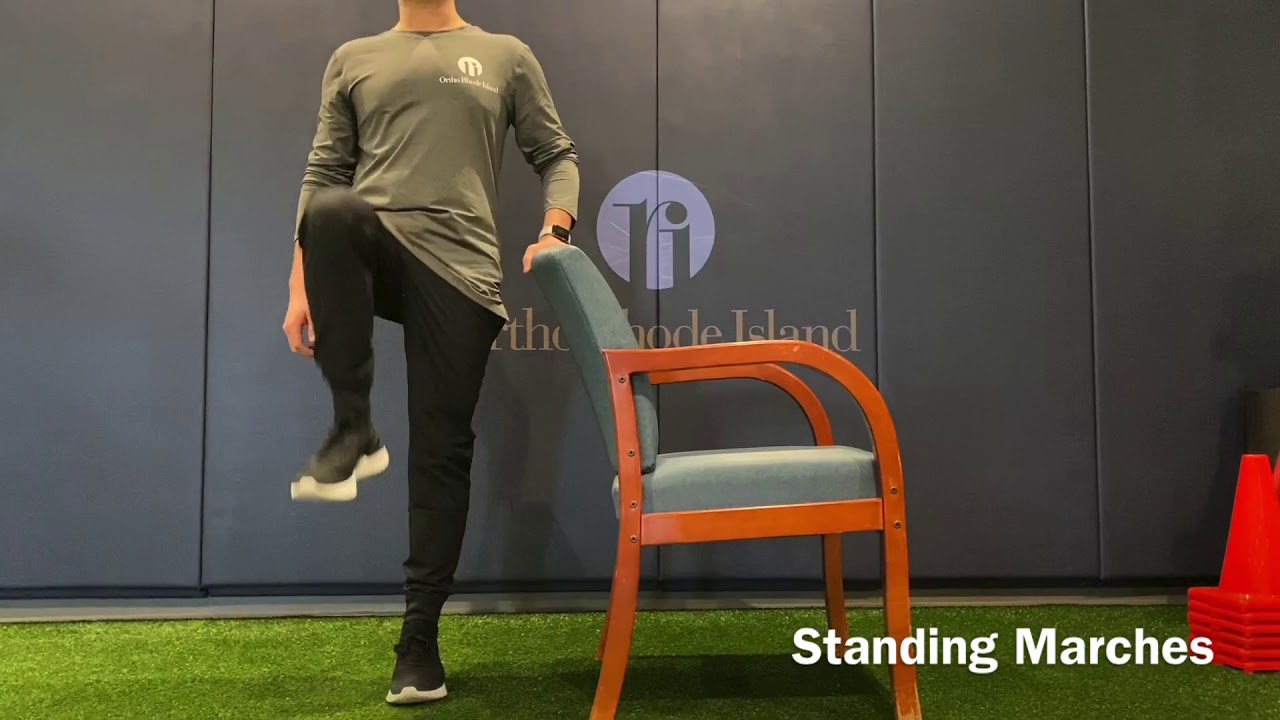
- Stand next to a chair with your feet hip-width apart.
- Engage your core.
- Place your hand on the back of a chair for support.
- Lift your left foot off the ground and bring your left knee to a 90-degree angle.
- Pause briefly.
- Lower your left foot back to the floor.
- Lift your right foot off the ground and bring your right knee to a 90-degree angle.
- Pause briefly.
- Lower your right foot back to the floor.
- Continue alternating between the two sides for 10-15 reps each side.
As your balance improves, try this exercise without holding onto the chair.
2. Supported single-leg deadlift
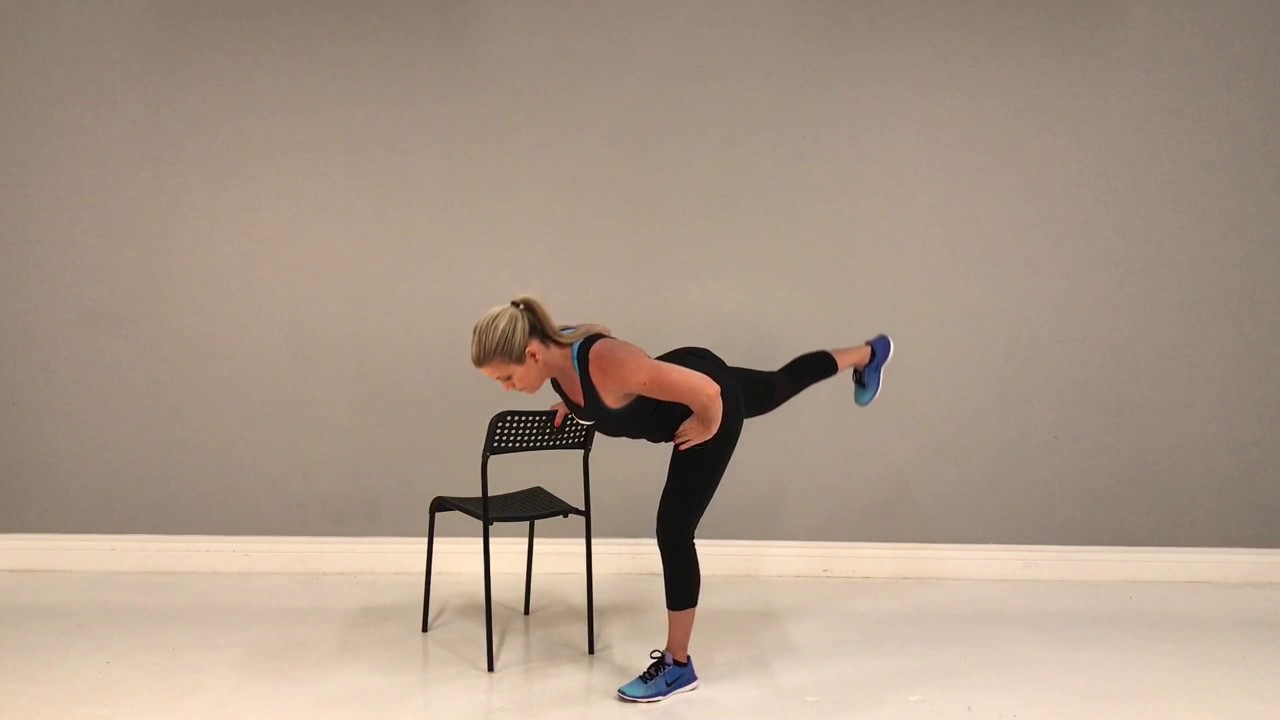
- Stand tall with your feet hip-width apart and a chair at your right side.
- Engage your core.
- Place your right hand on the back of the chair.
- Bend your left knee slightly.
- Hinge your hips behind you.
- Lift your right leg behind you and bring your chest and torso forward.
- Pause briefly.
- Return to the starting position.
- Continue for 10-12 reps, then place the chair on your left and repeat the exercise on the other side.
As your balance improves, try this exercise without holding onto the chair. You can reduce your range of motion at first, building the necessary strength and balance to perform the exercise with no additional support.
3. Bird dogs
- Come to all fours on the mat.
- Engage your core.
- Extend your left leg behind you and reach your right arm in front of you.
- Pause briefly.
- Return to the starting position
- Extend your right leg behind you and your left arm in front of you.
- Pause briefly.
- Return to the starting position.
- Continue alternating between the two sides for 10-15 reps on each side.
If you’re unable to get onto the floor, try this exercise on a massage table or your bed. Place a rolled-up towel or pillow underneath your knees for additional cushioning. If lifting your arms and legs at the same time is too challenging, try lifting the arms and legs separately until you build up enough stability and strength.
Follow Tom's Guide fitness on Instagram for more workouts, routines, tips, and tricks.

Follow Tom's Guide on Google News and add us as a preferred source to get our up-to-date news, analysis, and reviews in your feeds.
More from Tom's Guide
- I’m a physical therapist who works with seniors: Here are the 5 bodyweight exercises I recommend
- No, not planks! I'm a personal trainer for seniors, and these are the 4 best exercises you can do for core stability at every age
- Over 60? I’m a personal trainer, and these 3 floor exercises will show you how strong your core is