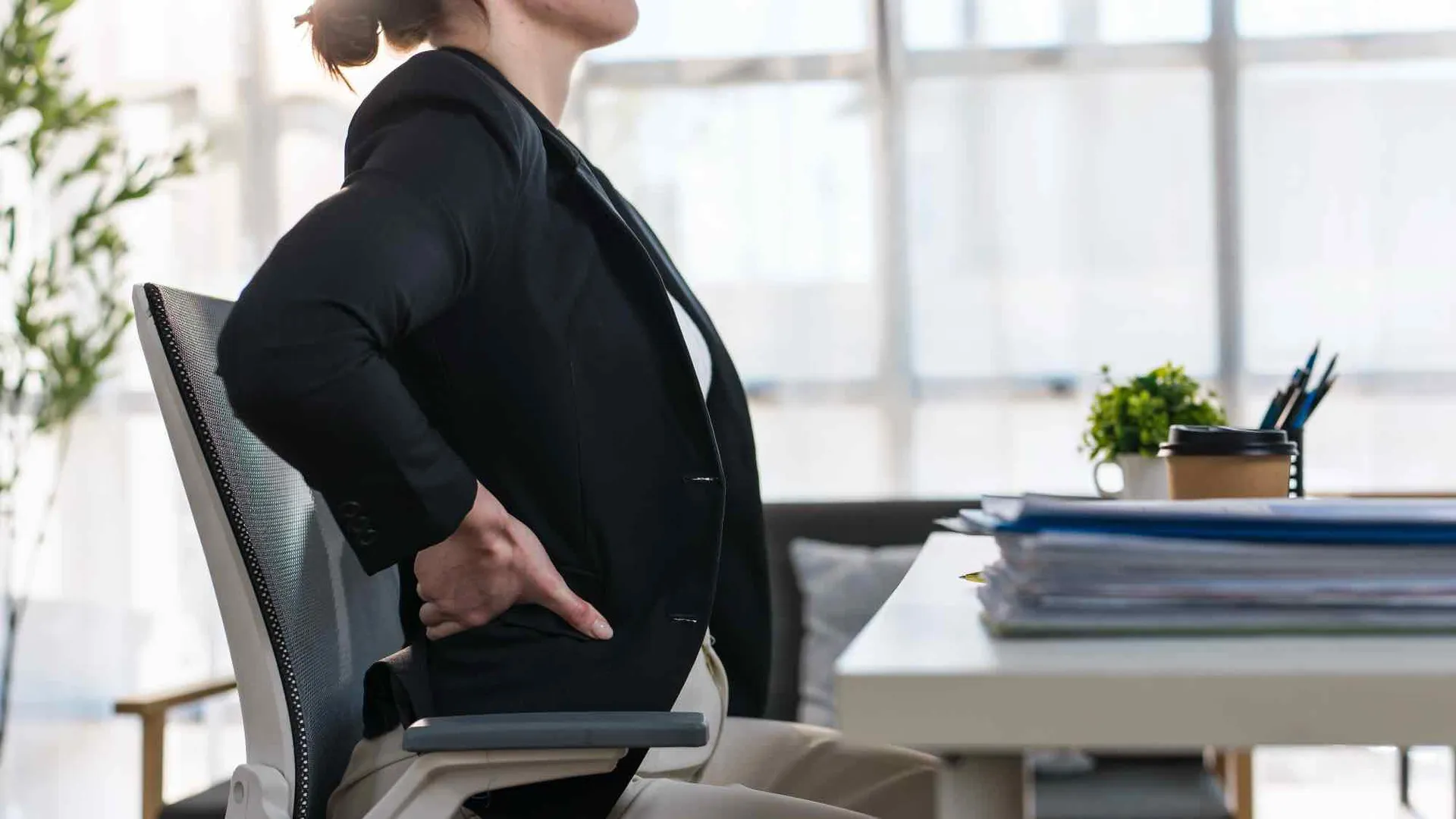
I love teaching mobility, but when it comes to functional medicine, I'm not a qualified physical therapist, so I look to those around me for the best advice. This week, I sought out Back and Body Medical, NYC, for advice on anti-desk exercises.
If you're unsure what I mean by that, I'm talking about exercises that help reduce or even reverse the impact of prolonged sitting and slouching over phones and laptops — something nearly all of us do at some point in the day or week. Over time, this can overwork and underfire crucial muscle groups and negatively affect posture, core engagement and muscle activation.
These moves help stretch the muscles around the shoulders, spine and hips and reduce tension. "If your back feels tight, stiff, or like it’s about to flare up by the end of the workday, these three are worth a try," they say.
Check them out below.
3 anti-desk exercises from a physical therapist

"Eight hours in a desk chair adds up," the team writes. "Start gentle; don’t force anything. If the tightness keeps coming back no matter what you do, that’s usually a sign something else is going on."
In that case, it may be worth seeing a qualified medical professional for guidance, advice, or a referral.
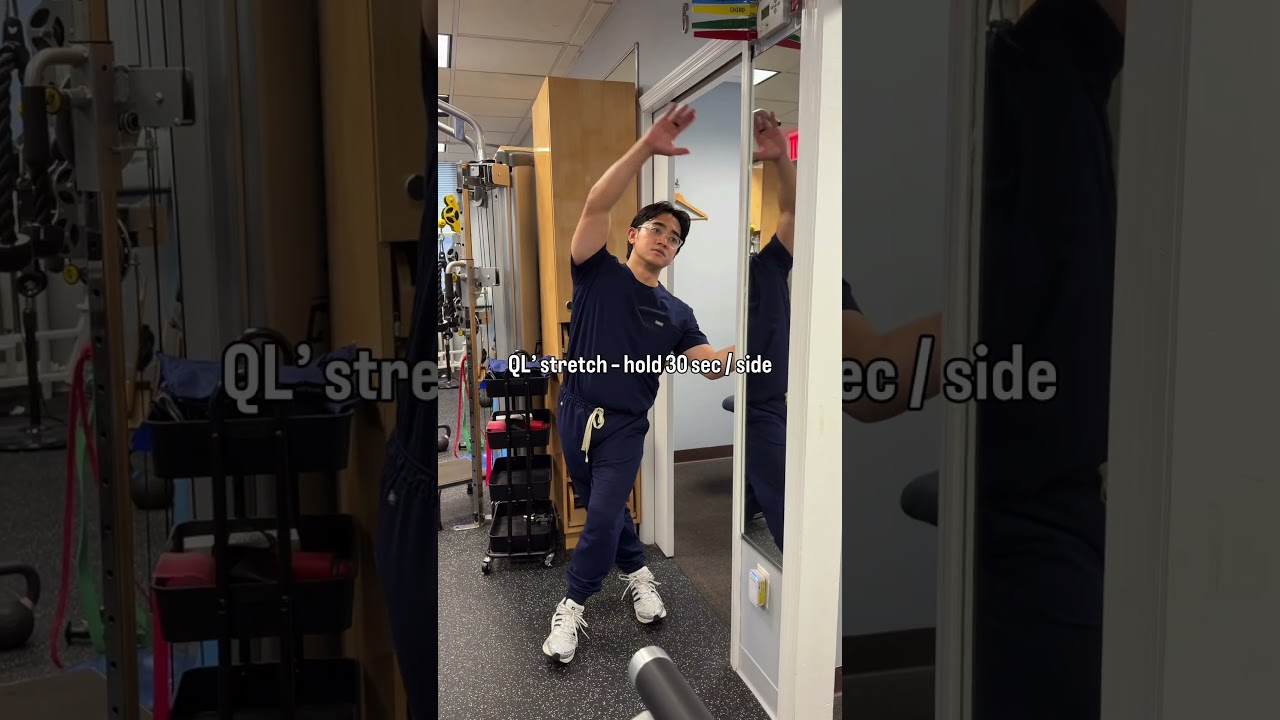
- QL stretch: Hold 30 seconds on each side. Stand sideways to a door frame and place your closest hand onto the frame for support. Cross your legs, then raise your free hand and reach over to grip the doorframe above your other hand. You should create a banana shape as you stretch the side of your body and lean toward the door.
- Prayer stretch: Hold 30 secs. Place your elbows on your desk and adopt the prayer position with your hands. You can either sit or stand. Walk your feet back until you feel a deep stretch in your arms and shoulders, and lower your head and chest between your arms.
- RDL: x10 reps. Grip a light weight and stand with your feet hip-width apart. Pull your shoulders and back down. Softly bend your knees. Hinge forward at your hips and maintain a straight spine as you lower the weight in front of you. Pause once you feel a deep stretch along the back of your body and legs, then drive upward to stand.
- Aim for 2–3 rounds.
Start these exercises two to three times a week, alongside other activities such as walking, running, lifting weights, swimming, or gardening. Mobility and stretching routines should support a healthy, active lifestyle filled with natural, functional movement as a priority as you get older.
Overall, consistency is one of the most important factors, so aim for smaller chunks of movement more often to begin with, and build in a slow, manageable way.
While these exercises are recommended by a qualified physical therapist, you should always listen to your body and stop if you feel sharp pain, numbness, or tingling. Working with a physical therapist, physician, or similar professional will help you determine the issue and provide specialized recommendations based on your personal journey.
Follow Tom's Guide fitness on Instagram for more workouts, routines, tips, and tricks.

Follow Tom's Guide on Google News and add us as a preferred source to get our up-to-date news, analysis, and reviews in your feeds. Alternatively, you can read our content on the Tom's Guide app available now for iOS and Android. Subscribe to Tom's Guide on YouTube and follow us on TikTok.
More from Tom's Guide
- I teach people how to be more mobile: 3 low-impact back and shoulder moves that build stability and strength after 40
- I teach people how to be strong and mobile: this is the one exercise I regret ignoring for years
- I teach people over 50 to be mobile: 3 low-impact moves that build more stability than a 30-minute walk