
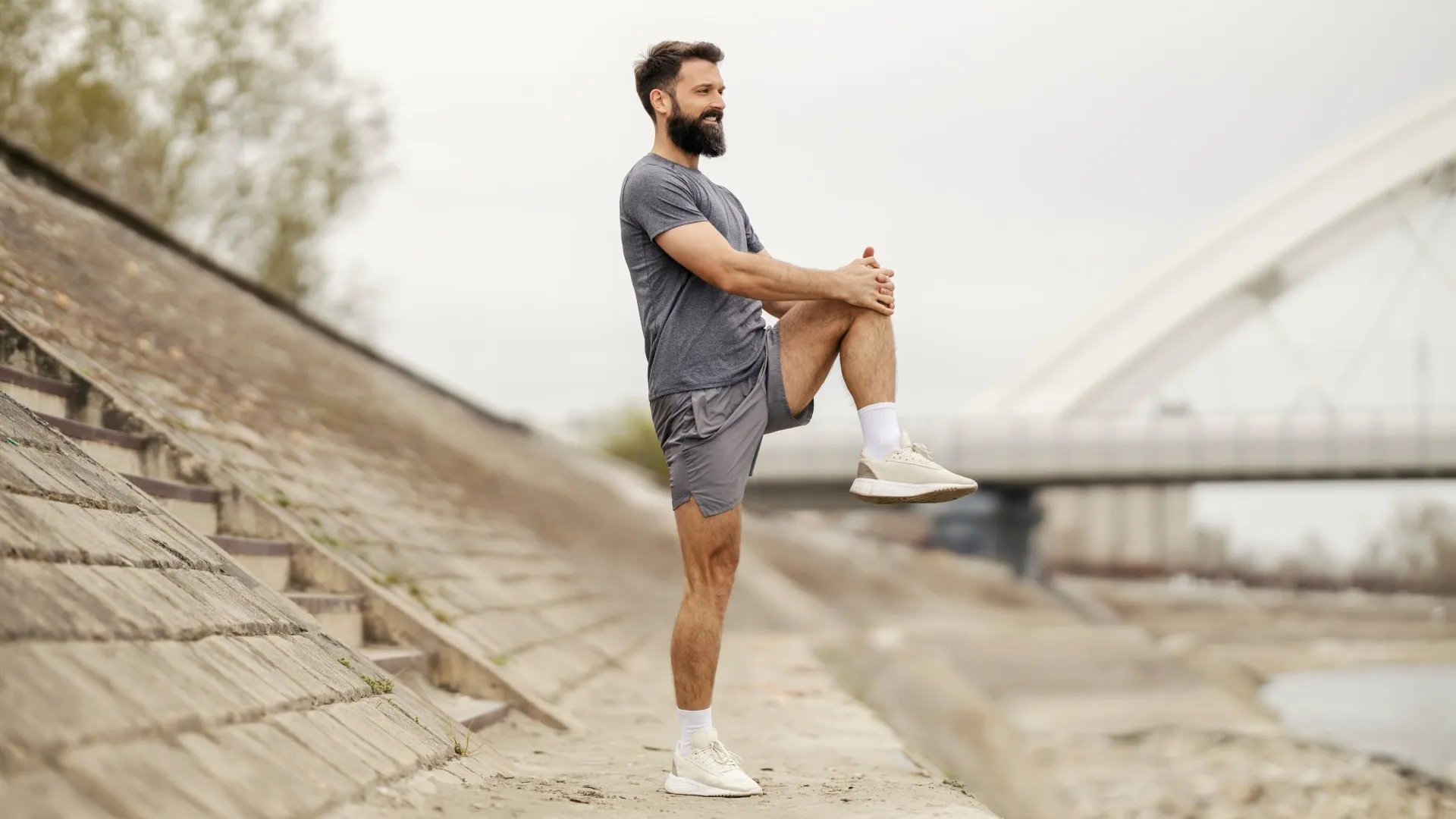
Squats are one of the most functional exercises, and doing them regularly as you age helps you preserve strength, muscle and power for activities like climbing stairs or going to the bathroom unaided; in short, strong legs keep you independent.
But not everyone can do squats, whether that's due to mobility, injury, health conditions, or preference. So, I turned to physical therapist Leighton Roberts, managing director at Grosvenor Mobility, for some advice.
“Here are five simple exercises I'd recommend trying, provided they're suitable for your individual health and mobility needs," says Roberts. Read on for the moves and how to do them.
5 lower-body exercises from a physical therapist to build leg strength and power
"Maintaining joint strength is essential for staying active, mobile and independent," Roberts tells us. "For those experiencing joint stiffness or reduced mobility, gentle bed exercises are a great starting point. They help strengthen the muscles surrounding your hips without needing specialist gym equipment. An adjustable bed can also offer additional comfort when positioning yourself before and after exercise."
It's up to you where you perform these exercises, of course, whether that's on a bed or using an exercise mat rolled out at home.
1. Straight leg raises
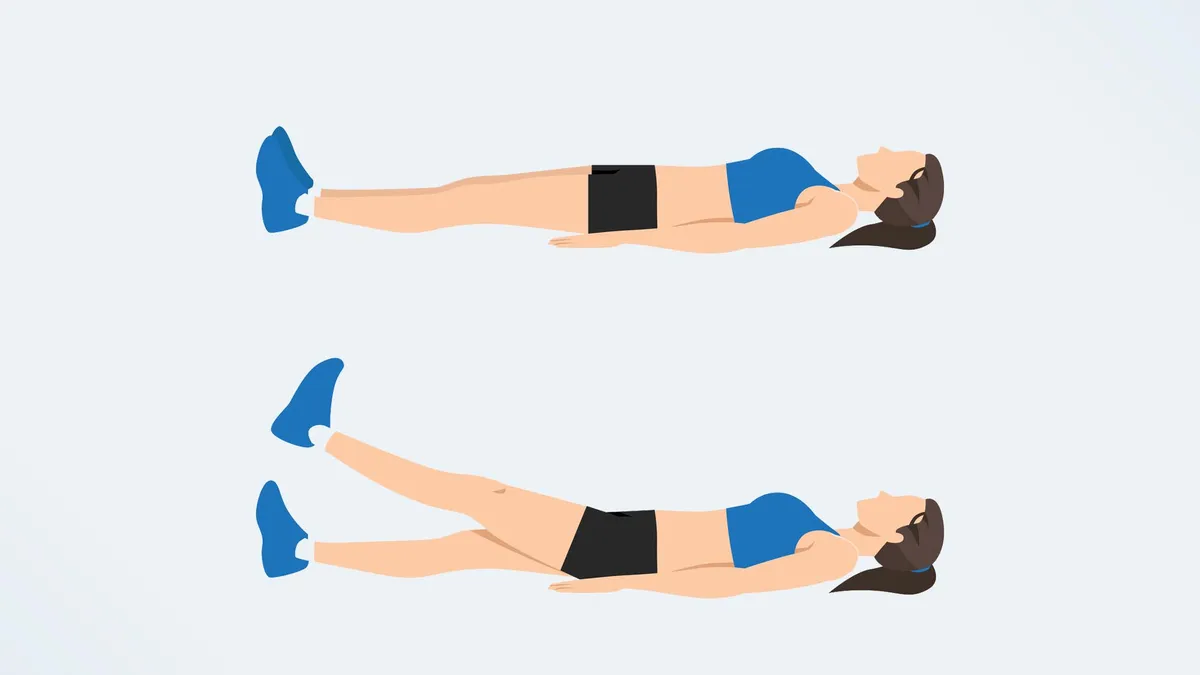
"These target the hip flexor muscles, helping with everyday movements such as walking, climbing stairs and lifting your legs," says Roberts.
- Lie on your back with your legs extended and arms by your sides
- Engage your core and lightly tuck your pelvis toward you
- Lift your legs into the air, keeping a soft bend in your knees
- With control, lower your legs toward the floor. Only lower them as far as you can control without your back arching away from the mat
- Continue for 6-10 reps and 2 sets.
2. Hip bridges
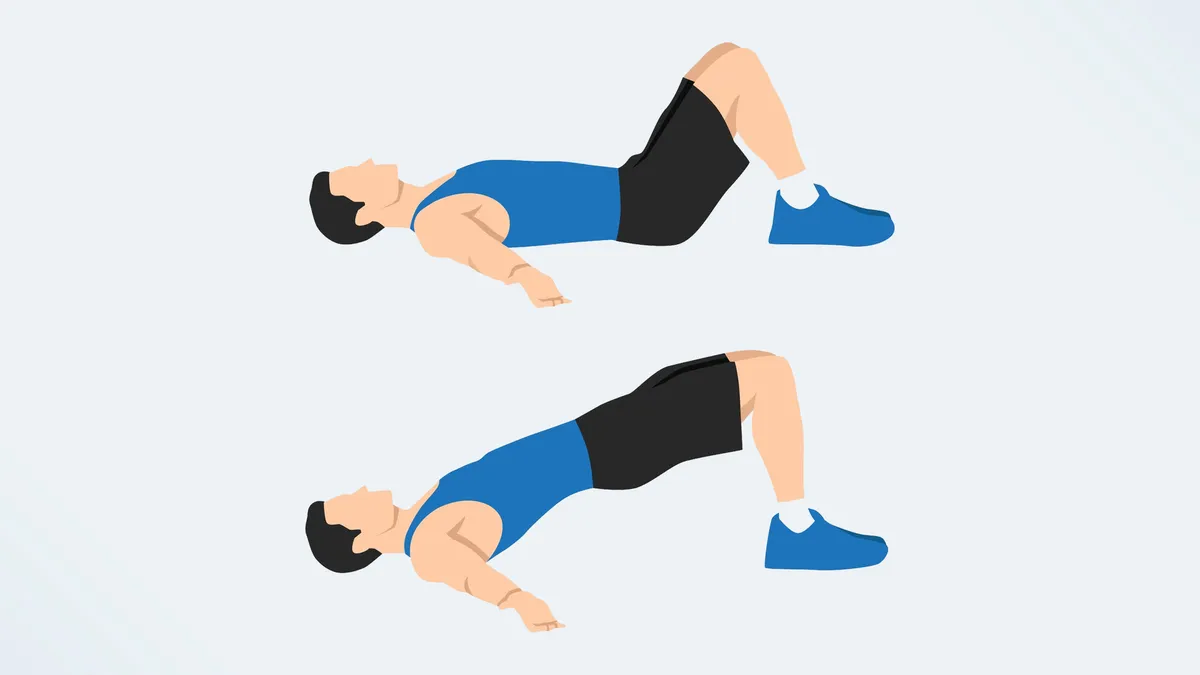
"Hip bridges strengthen the gluteal muscles, improving hip stability and supporting movements such as standing up and walking."
- Lie on your back with your feet hip-width apart and knees bent
- Press through your heels and lift your hips into the air
- Squeeze your glutes at the top and pause
- Slowly lower through your spine to reset
- Continue for 6-10 reps and 2 sets.
3. Side-lying leg raises
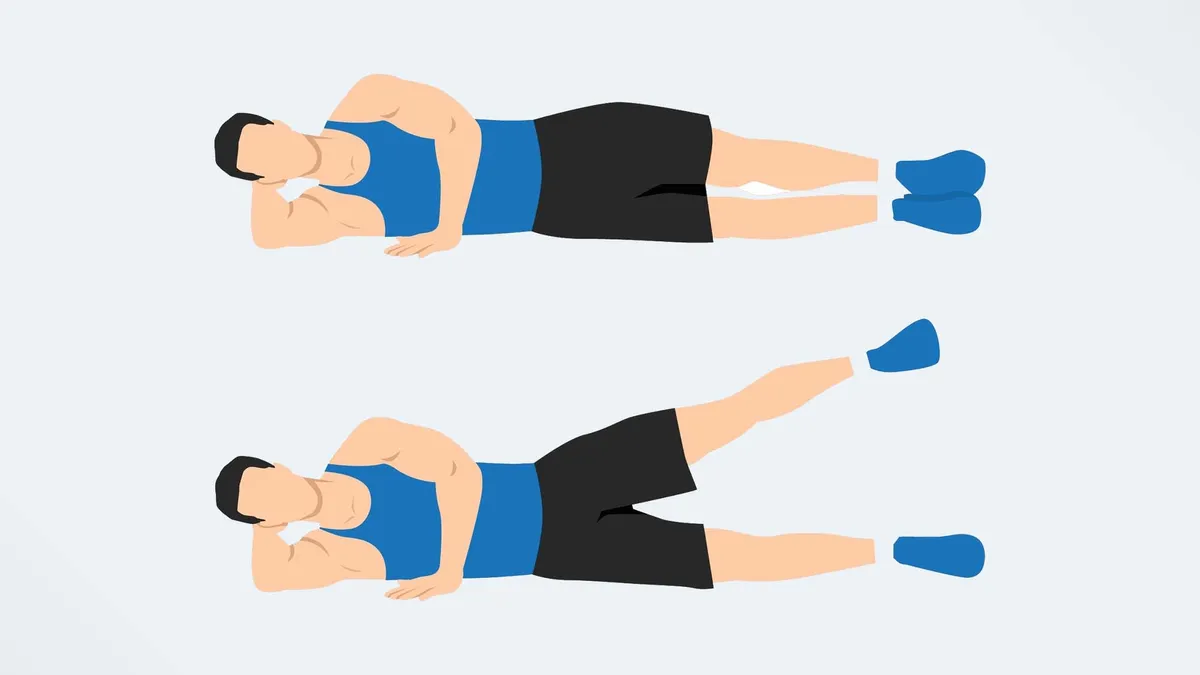
"These strengthen the outer hip muscles, which help stabilize your pelvis and maintain balance when walking."
- Lie on your side with your elbow resting and legs extended
- With control, lift your top leg into the air and squeeze your glutes at the top. Your hips should stay facing forward
- Lower your leg and repeat. Switch sides
- Continue for 6-10 reps and 2 sets.
4. Heel slides
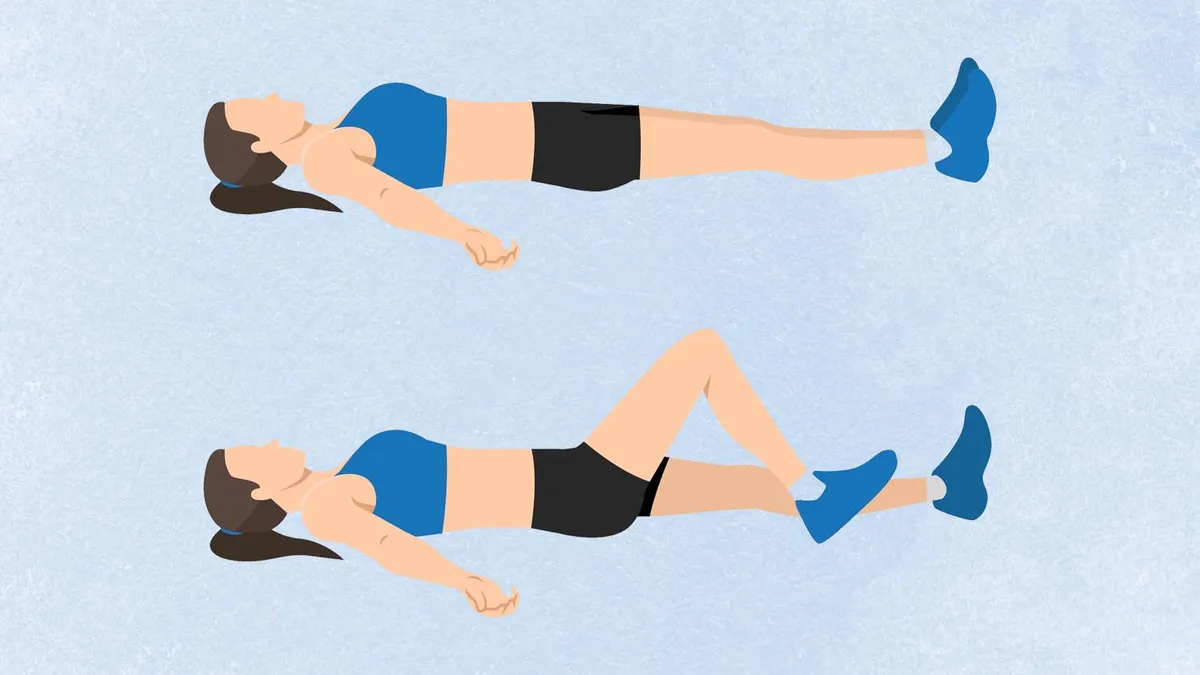
"Heel slides encourage gentle movement through the hip and knee joints, helping improve flexibility and relieve stiffness after periods of inactivity."
- Lie on your back with your legs extended
- Slowly bend one knee and slide your heel toward your butt
- Hold for a few seconds, then slowly slide your foot away to extend the leg again
- Continue for 6-10 reps and 2 sets per side.
5. Clamshells
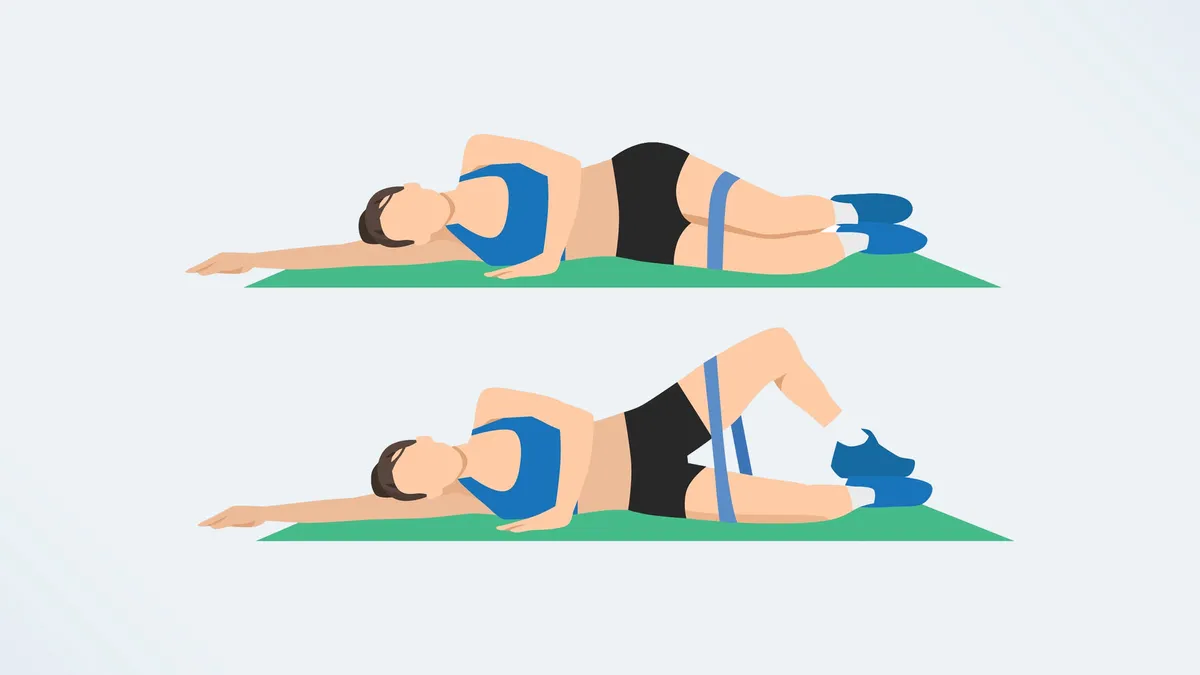
"Clamshells target the muscles around the outer hips, helping improve stability, balance and control during everyday movements."
- Lie on your side with your hips, thighs and ankles stacked at 90 degrees
- Keep the inner sides of your feet pressed together, then slowly open your top knee and squeeze your outer glutes as you open your hips. Keep your hips facing forward
- Pause, then lower your knee with control
- Continue for 6-10 reps and 2 sets per side.
Start with these exercises two to three times a week, alongside other activities such as walking, running, lifting weights, or gardening. Overall, consistency is one of the most important factors in maintaining strength and long-term mobility.
While these exercises are recommended by a qualified physical therapist, you should always listen to your body and stop if you feel sharp pain, numbness, or tingling. Working with a physical therapist, physician, or similar professional will help you determine the issue and provide specialized recommendations based on your personal journey.
Follow Tom's Guide fitness on Instagram for more workouts, routines, tips, and tricks.

Follow Tom's Guide on Google News and add us as a preferred source to get our up-to-date news, analysis, and reviews in your feeds. Alternatively, you can read our content on the Tom's Guide app available now for iOS and Android. Subscribe to Tom's Guide on YouTube and follow us on TikTok.
More from Tom's Guide
- I teach people how to be more mobile: 3 low-impact back and shoulder moves that build stability and strength after 40
- I teach people how to be strong and mobile: this is the one exercise I regret ignoring for years
- I teach people over 50 to be mobile: 3 low-impact moves that build more stability than a 30-minute walk