

When it's time to sleep, I like to create the coziest atmosphere. That means a warm room, plenty of layers and dim lights. A closed window is a must. But since October hit, I've noticed instead of snuggling up to sleep, I'm tossing and turning in a room that feels stuffy.
I asked the experts what was happening and they made a simple suggestion: start opening the window. This two second hack lets out carbon dioxide, stale air and excess moisture and lets in the fresh, clean air that's necessary to sleep.
Yes, open windows also cool down your bedroom but as the experts explain, that's a good thing when you're trying to sleep. So grab a blanket, prop open the window, and discover why this quick habit is your key to good sleep this fall and winter.
The 2-second task that will help you sleep better
“It may sound counterintuitive in the cold nights of winter, but opening your bedroom windows is important for your health, your sleep quality and your hygiene," explains Dr. Hana Patel, NHS GP and resident sleep expert for Time4Sleep.
A sealed room keeps in warmth, which is what you want on a cold day. But it also traps moisture, air pollutants such as VOCs and CO₂, and allergens like mold, which thrive in humid conditions.

Warm, stuffy rooms also disrupt the natural cycle of your body clock, which expects a cooler feel at bedtime. This can leave you struggling to fall asleep or waking up at 3 a.m.
“Open your windows for a couple of hours in the morning once you get up," advises Dr. Patel. "This helps to ventilate the room and improve air quality, bringing in fresh air and reducing condensation."
If that sounds horribly chilly to you, Dr. Hussain Ahmad suggests a shorter timeframe of "10 to 15 minutes before you go to bed." Alternatively, using trickle vents can create continuous airflow without the sudden blast of cold.
Why opening your window can help you sleep better (even in winter)
1. Reduces CO2 build-up
As we breathe out, we release carbon dioxide (CO₂) into the air. When the doors and windows are closed, carbon dioxide levels build-up.
"Research suggests better-ventilated bedrooms with lower levels of carbon dioxide are associated with better sleep quality and feeling less tired and sleepy the following day," explains Dr. Ahmad.
It's thought that high levels of CO₂ increase breathing stress. This extra work keeps your body in a lighter, more easily-disrupted sleep stage.
Dr. Hanul Bhandari, MD, agrees. "A field study of 40 bedrooms found that opening a window lowered carbon dioxide, volatile organic compounds and particulate matter, while both measured and perceived sleep quality improved."

2. Lowers the temperature before bed
As we edge closer to winter, you're probably shutting the windows so warm air stays in. But before bed, you want that stuffy air heading out.
"Your core body temperature needs to lower slightly as you fall asleep, which can become harder if a room is stuffy or too hot," says Dr. Ahmad. He advises a room temperature of 60 to 65 °F (16 to 18°C.)
This temperature drop helps support your circadian rhythm by mimicking the conditions of day to night. When your bedroom is too warm at night, your internal clock misses a vital signal for sleep.
To keep your bedroom on the comfortable side of chill, stick to a brief window opening. Dr. Patel warns against sleeping in a room too cold, as this can lead to "chest infections and cold-related illnesses, especially for vulnerable people."
3. Helps get rid of allergens and mold
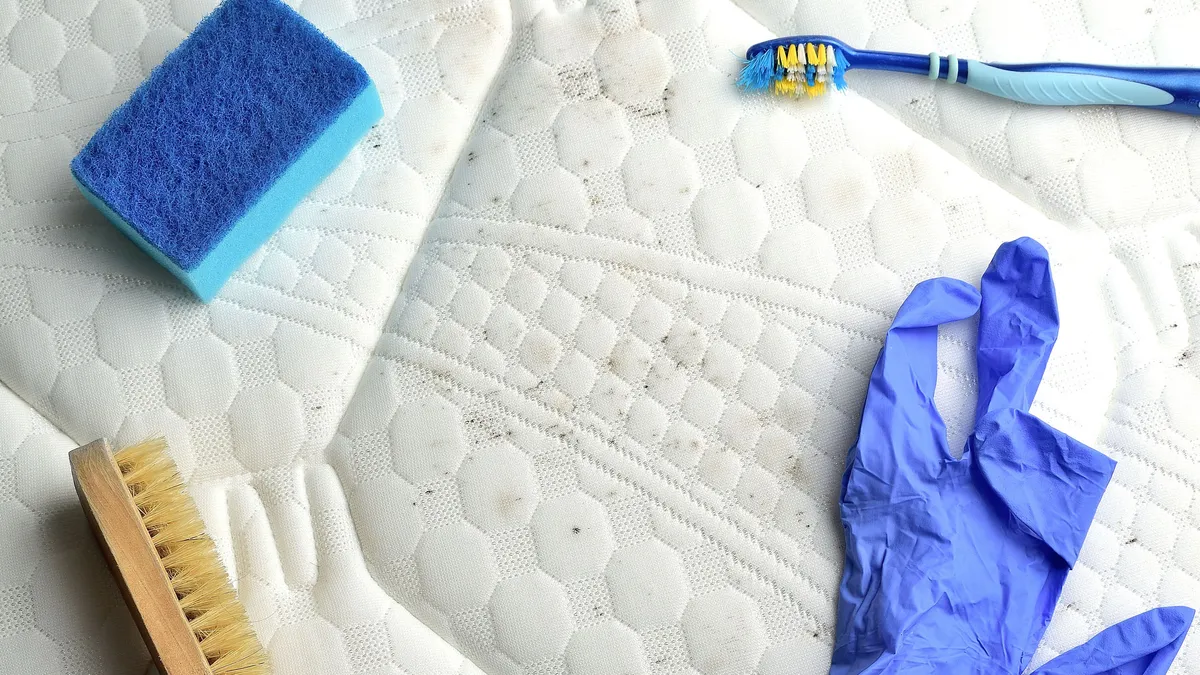
Breathing releases moisture into the air, which, alongside condensation from warm air on cold windows, can lead to damp in your sealed room.
"This moisture can cause black mold to grow around the windows if it is not removed, which can pose a health risk," explains Dr. Patel. The moisture can also settle into the bed, potentially leading to mattress mold.
“Pulling back your bed covers while the windows are open also helps to air your bedding, improving your sleep hygiene by allowing moisture and humidity caused by your body heat overnight to escape in the morning," Dr. Patel advises.
And it's not just mold that thrives in the damp. Professor George Du Toit, Co-Founding Director and Professor of Paediatric Allergy at the Allergy Centre of Excellence (ACE) explained that dust mites also love humid conditions, while closed windows trap in dust mite allergens.
He advises keeping humidity levels low through the use of "dehumidifiers, extractor fans, and adequate ventilation."

Follow Tom's Guide on Google News and add us as a preferred source to get our up-to-date news, analysis, and reviews in your feeds.