Squats look simple enough, and they're one of the most well-known compound exercises in gym routines across the world. Most strength programs feature some form of squat variation, but are you getting yours right?
If you haven't heard of butt winking before, you could be doing it without even realizing. So, let's fix it before it becomes a problem for your mobility and joints, particularly your spine. Read on to find out how you can test for butt winking, what it actually means and how to work on fixing yours.
What is butt winking?
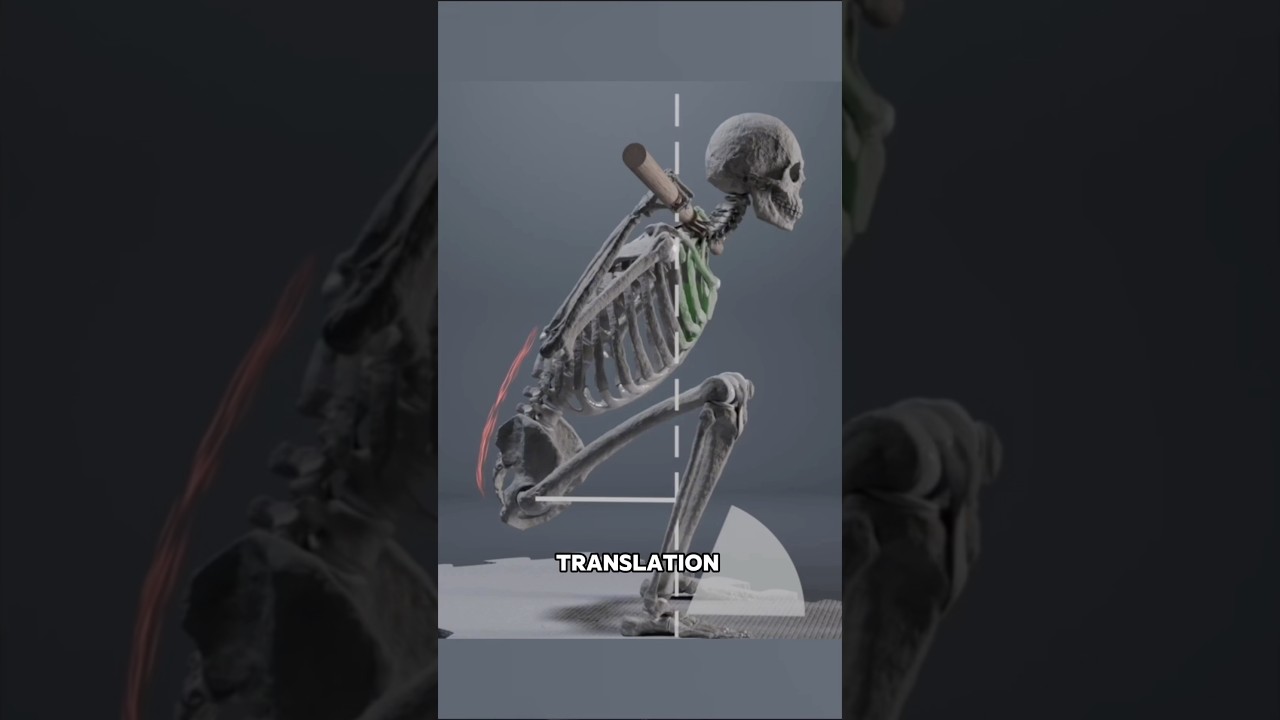
When it comes to your spine, on many occasions, mobility limitations, tightness, or weaknesses elsewhere contribute most to back pain.
A butt wink refers to a slight posterior pelvic tilt, which means that your pelvis tucks under at the bottom of the squat, creating lumbar flexion. The best way to diagnose it is to get a personal trainer or physical therapist to watch you squat; if you don't have that available, try performing a squat side-on to a mirror or record yourself.
If you notice rounding in your lower back, it's likely a butt wink, and you'll want to fix it before you do any heavy lifting or move on further with your squat program.
If you don’t, you could overload your spine by performing a repeated movement with incorrect mechanics, leading to lower back pain or pain elsewhere. It's not necessarily a back problem, though, but can relate to tight ankles or problematic hips.
Test your butt wink

You can refer to our guide on how to squat step-by-step if you think you could do with a refresher on the most important cues for squatting correctly. In our guide, we focus on the bodyweight squat because we believe you shouldn't be adding load until you can execute the move without any.
We've put together some tests for butt winking, and you can perform this wall squat test below:
- Stand with your feet in front of your body, hip-width apart, and your back against the wall. Bring your hands to your hips
- Bend your knees and begin to sit low into a squat, keeping your back against the wall as you slide down
- Lower until your thighs are at least parallel to the floor, keeping your knees aligned with toes, heels planted and spine neutral
- Pause at the bottom and take a moment to note the position of your lower back compared to the wall and your body
- Push through your feet and legs to stand.
Are you hips tucking? Is your spine neutral? Can you feel your back pressed into the wall? These are all questions you should now be able to answer. Notice how your hips, knees and ankles feel, and any areas you might be feeling tension or a lack of mobility.
What causes butt winking, and how to fix it
Limited lower body mobility or instability can cause butt winking, particularly in the hips or ankles. If you are aware of your squat form already, try adjusting your stance; this could be a wider foot position, as long as your knees don't cave inward.
I would also focus on strengthening your hips with a hip mobility routine and incorporate lower-body strength exercises like deadlifts, wall squats, isometric squats (static squats), lunges and glute bridges into your programming to help build robust muscles and joints.
Hip and ankle mobility improve motor control, which is key during squats, and keep joints healthy and injury-free. Ankle instability and tightness increase the chances of your heels lifting during squats, and you might struggle with your knee positioning; open ankles will help you reach deeper positions more readily.
In other words, focus on building more ankle and hip-focused drills into your routine so that tightness or instability don't increase your chances of butt winking.
Try this drill!
Follow Tom's Guide fitness
Gym essentials



Follow Tom's Guide on Google News and add us as a preferred source to get our up-to-date news, analysis, and reviews in your feeds.
More from Tom's Guide
- Three assisted stretches develop flexibility and strength without equipment
- The best stretches for tight hip flexors
- Over 60? Try these 5 at-home strength moves to add years to your life