


I’ve been using the BirdBuddy Home and BirdBuddy Nook for months, and this is the one I’d buy for Black Friday

The BirdBuddy has been one of the most popular smart bird feeders since it hit the market a few years ago, but even with Black Friday discounts, the BirdBuddy Home is still a pricey $199. However, the company recently came out with a cheaper alternative: the BirdBuddy Nook starts at $169, but can be found for as little as $99 for Black Friday.
I’ve been testing out the BirdBuddy Nook for the last few weeks in my yard, and I think it’s a fine budget option for those who want to get into smart bird watching.
BirdBuddy Nook price and Black Friday sale
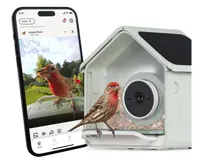
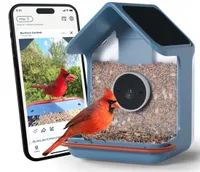
The BirdBuddy Nook regularly costs $169 and $189 for the BirdBuddy Solar. For Black Friday, the base model has been discounted to $99, and the Solar model to $129. If you can afford the solar model, go for it — it’ll save you from having to recharge the camera module. I’ve been using the Solar model, and not once have I had to plug it in.
You can also find the older BirdBuddy Pro Solar for sale at Amazon for $179, but that camera is locked to a vertical orientation.
BirdBuddy Nook vs BirdBuddy Home

So what’s the difference between BirdBuddy’s feeders, other than the price? Mostly it comes down to capacity. The BirdBuddy Home ($299; on sale for $199) can fit more seed than the Nook, so you won’t have to fill it as often, unless you have ravenous squirrels in your yard, like I do.
Of course, to get the most out of either feeder, you need to sign up for a BirdBuddy subscription, which starts at $7.99/month or $69.99/year. That lets you record video at the highest quality, enjoy automatic AI recognition, and the ability to connect it to Alexa+.
The other major difference is in how you fill the feeder. The entire roof of the Nook hinges upwards so that you can fill its innards; the Home has a smaller opening in its rear. I found it’s very easy to accidentally overfill the Nook, especially if it’s mounted on a pole.

Otherwise, the Nook has the same camera as the BirdBuddy Home, which, while not as good as the now-discontinued BirdBuddy Pro, delivers more than respectable 2K videos and photos. Like the Home, the Nook’s camera can be rotated so you can record either portrait or landscape videos. I’m still not a fan of how the camera has a bit of lens distortion, so that objects near the edges are elongated.
Birdbuddy claims that the Nook’s smaller shelf is better at deterring squirrels. I initially set it up with the perch extender, which may have been a mistake, as it gave the little furry creatures an easy spot to clean out the feeder. Don't get this attachment if you have problems with squirrels.
The one I’d buy

Given that the cameras on the BirdBuddy Home and BirdBuddy Nook are identical, I would definitely opt for the cheaper Nook; yes, you’ll have to refill it more often, but it’s $110 less expensive. During Black Friday, the price difference is just $70, but that’s still pretty significant.
As I mentioned earlier, get the model with the built-in solar panel. It’ll save you the hassle of having to schlep out to your yard in the middle of winter just to see the squirrels raiding your supply.

Follow Tom's Guide on Google News and add us as a preferred source to get our up-to-date news, analysis, and reviews in your feeds.
More from Tom's Guide