Sony — maker of some of the best TVs in the world — just now unveiled its 2026 TV lineup, and while it’s later to the party than LG, Samsung, Hisense and TCL, it’s nevertheless making a grand entrance.
This week, the brand officially announced the Bravia 9 II and Bravia 7 II, a pair of follow-ups to the Bravia 9 and Bravia 7 Mini-LED TVs. The originals were among the best-performing Mini-LED TVs in their class, but their successors — which carry the mark two designation — come with Sony’s all-new, True RGB display technology.
Needless to say, the competitive stakes are high. Sony’s rivals have showcased their own spin on RGB LED TVs, too, and pricing on these models have been relatively high. But we were lucky enough to get our hands on the Bravia 7 II for testing, and after poring over the results, it could be my dark horse candidate for the best RGB LED TV for most people in 2026.
Sony Bravia 7 II test results
While we’re still cracking away at our full review, here’s a sneak-peek at how the Bravia 7 II managed in our test lab. For context, I’ve included the test results of both the Bravia 9 II (Sony’s latest flagship True RGB TV) as well as the Sony Bravia 9 (the brand’s previous Mini-LED flagship).
| Row 0 - Cell 0 | Sony Bravia 7 II |
Sony Bravia 9 II |
Sony Bravia 9 |
HDR Brightness (10%, in nits) |
2,078 |
3,990 |
2,713 |
Rec. 2020 Gamut Coverage |
87.2% |
87.3% |
78.02% |
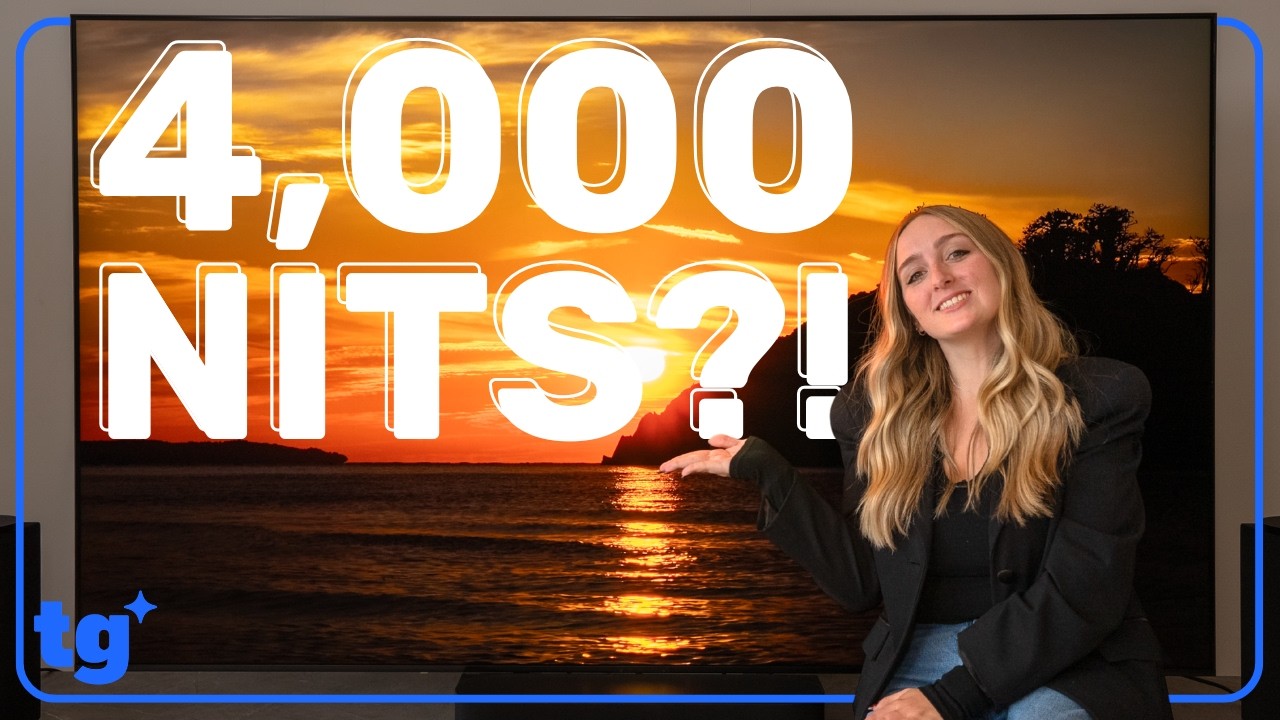
As far as HDR highlight brightness goes, the Bravia 7 II is just under what we measured on the Bravia 9 a few years ago. This is plenty bright for most viewing environments, and if Sony’s picture processing delivers a similar HDR presentation as the flagship Bravia 9, I’ll be thrilled.
If Sony’s picture processing delivers a similar HDR presentation as the flagship Bravia 9, I’ll be thrilled.
HDR brightness is shaping up to be one of the primary distinctions between the Bravia 7 II and the all-new Bravia 9 II. If you’re in the market for a Sony-engineered set and you’re chasing the brightest possible picture, you’ll have to splash out on the Bravia 9 II.
However, when it comes to overall color volume, the Bravia 7 II is right in line with its souped-up, RGB LED-powered sibling. Given that color is the bread and butter of RGB LED technology, it’s heartening to learn that Sony’s entry-level RGB LED TV is cooking with a similar set of ingredients as the brand’s top-shelf model.
And, while I’ll reserve my full judgment for after I’ve had a chance to spend some time with these new TVs, when I look at these test results, I can’t help but see the Bravia 7 II as a slightly stripped-down version of the original Bravia 9. This set was (and still is) one of my favorite Mini-LED TVs ever made, and while the Bravia 7 II isn’t quite as bright, it gets pretty close — all while delivering punchier-looking color.
Sony Bravia 7 II vs Bravia 9 II: pricing and availability

So, let’s say that you decide to go with the Bravia 7 II rather than springing for the flagship-level Bravia 9 II. How much money, exactly, are you saving?
| Row 0 - Cell 0 | Sony Bravia 9 II |
Sony Bravia 7 II |
50 inch |
N/A |
$1,599.99 |
55 inch |
N/A |
$2,099.99 |
65 inch |
$3,599.99 |
$2,599.99 |
75 inch |
$4,599.99 |
$3,099.99 |
85 inch |
$6,499.99 |
$3,999.99 |
98 inch |
N/A |
$8,999.99 |
115 inch |
$30,999.99 |
N/A |
Of the two, the Bravia 7 II is the only one available in sizes below 65 inches. If you’re looking for a 50- or 55-inch TV, the Bravia 7 II is your sole option.
But if you’re choosing between the two at the 65-, 75- or 85-inch level, you stand to save between $1,000 and $2,500 by going with the Bravia 7 II. Make no mistake: The Bravia 7 II’s pricing is on par with the MSRP of mid-range OLED TVs (like the LG C6), but you’re saving a significant amount of cash by choosing the Bravia 7 II over the Bravia 9 II.
Compared to the original Bravia 9 (now a few years old), the Bravia 7 II is a bit pricier at launch. Right now, you can get the 65-inch Sony Bravia 9 for $2,099 at Best Buy. This is much more affordable than it was when it made its debut in 2024, but it’s $500 more than the Bravia 7 II, and the same price as the 55-inch Bravia 7 II.
Sony Bravia 7 II: outlook
As mentioned, we’re still hard at work on our full reviews of both the Bravia 7 II and the Bravia 9 II, so we’re still evaluating other aspects of these TVs’ performance. Until the dust settles, I’m hesitant to make any formal declarations about which TV is a better fit for various viewers.
That said, while the Bravia 9 II is shaping up to be the crown jewel of Sony’s 2026 TV lineup, I must admit that I am mighty excited to spend some quality time with the Bravia 7 II, too. Given Sony’s track record for delivering finely tuned, detail-oriented TVs with top-notch picture processing, the Bravia 7 II might prove to be the all-around best option for people who are curious about RGB LED technology, but who’d rather not shell out for a first-generation flagship.
The Bravia 7 II might prove to be the all-around best option for people who are curious about RGB LED technology, but who’d rather not shell out for a first-generation flagship.
Of course, Sony will be up against a number of entry-level RGB LED TVs that offer a similar compromise, including the Samsung R85H and the Hisense UR8. How it fares against those sets remains to be seen.

Follow Tom's Guide on Google News and add us as a preferred source to get our up-to-date news, analysis, and reviews in your feeds. Subscribe to Tom's Guide on YouTube and follow us on TikTok. Finally, you can visit our dedicated Tom's Guide Savings Squad hub for expert help on getting the best products for less.
More from Tom's Guide