







It seems that the Google Pixel 8 Pro has brought back a long-missing feature: ultrawide astrophotography.
Originally, this mode was only offered on the Pixel 8 Pro's main camera, either in 1x or 2x mode. But Android Authority found that using the Google Pixel 8 Pro's ultrawide camera in Night Sight mode lets you take Astrophotography mode shots (indicated by the stars icon in the shutter button), which we confirmed also works on our own Pixel 8 Pro review unit.

While present on the Pro model, it seems that ultrawide astrophotography has not seen a return on the standard Google Pixel 8. This may be down to the differing sensors available on both phones, with the Pixel 8 Pro using a larger 48 MP unit that allows it to capture more light and detail than the 12 MP sensor on the Pixel 8.
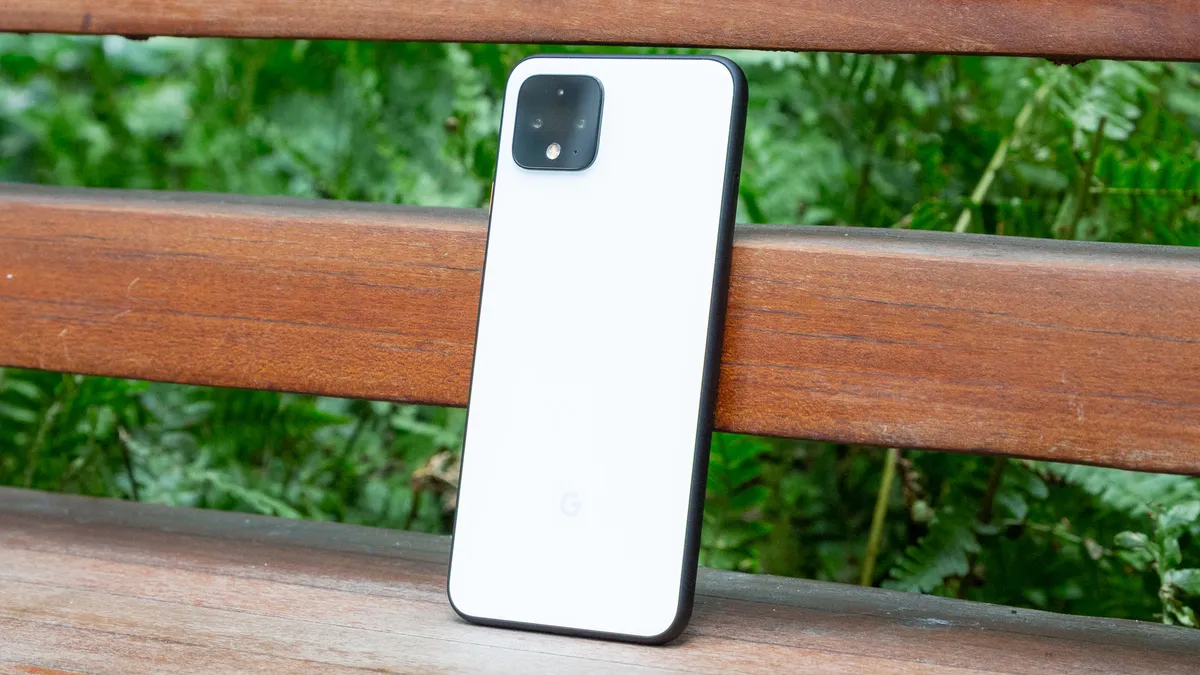
Astrophotgraphy with the ultrawide camera was originally introduced by Googe on the Pixel 4 (above) back in 2019. However, the ability to take ultrawide astrophotography shots was removed from the Google Pixel 5 and Pixel 4a 5G in 2020 with no warning.
Google never gave an official reason for the removal, although it is speculated that user complaints about generally poor image quality were one of the major causes. However, this could be a factor that Google's improved AI processing will be able to fix, and hopefully improve on.
The latest Google Pixel phones have made a big deal of their AI editing software, with the inclusion of features such as Magic Eraser and Photo Unblur help to fix issues with images post-shoot. Using the same systems with astrophotography would be a good idea, although it will still require the use of a tripod or other stable stand when recording to get the best results.
There’s an argument that astrophotography is a niche addition that will not be a selling point for most people. However, it indicates that Google is willing to try and combine the old and the new when it comes to their software. The big questions now are if Google Pixel 8 Pro's AI has genuinely improved the feature, and if it'll trickle down to the Pixel 8 or Pixel 7a or future cheaper Pixel phones down the line.
More from Tom's Guide
- iPhone 16 Ultra in 2024? Here’s why I wouldn’t bet on it
- This new Pixel feature lets you capture stunning videos every time
- Samsung Galaxy S24 tipped to retain S23 camera sensor — and that’s disappointing

