September is one of the year’s most important months for cool-season lawn maintenance. Summer heat is easing, and soil temperatures are warm enough to support new growth without the threat of frost.
Experts share the top three lawn care jobs you should be doing right now to repair and prepare your lawn for winter, making sure it can cope with the drop in temperature and increased rainfall.
1. Aerate cool-season grass

Soil compaction is one of the biggest obstacles to a healthy lawn. “Over time, especially in areas that get a lot of foot traffic, the soil becomes densely packed, making it harder for water, air and nutrients to reach your grass roots,” explains Brian Feldman, senior director of technical operations at TruGreen.
“When roots can’t access what they need, your lawn can thin out, become patchy and become more vulnerable to drought, weeds and lawn disease,” he adds.
Fall is the ideal time to address this issue, especially if you have cool-season grasses, such as fescue and bluegrass. By aerating your lawn in fall, Feldman says that your lawn will have time to recover, allowing new roots to establish before winter sets in.
How to aerate your lawn
You can use either a spike or core aerator to treat your lawn. Spike aerators puncture the ground as you pass over it, while core aerators remove soil. Core aeration is seen as the most effective method because it leaves a large space for air and nutrients to penetrate, although it’s messier, as you’ll be left with plugs of soil on your lawn.
Cool-season grass
If you live in the U.K. or a northern, colder area of the U.S., you’re likely to have cool-season grass, which only stops growing when the temperature falls below around 45°F.
"This means September is likely still warm enough to carry out deeper maintenance as your lawn is actively growing and will be able to recover from it quickly,” says Angelika Klimorowski, lawn care specialist and gardening expert at Online Turf.
Warm season grass
Warm-season grass is found in southern, warmer climates, and it stops actively growing when temperatures fall below around 60°F. Klimorowski advises that if your lawn is still actively growing in September, it’s a great time to weed and aerate it, but if the growth has slowed, do not perform any significant maintenance.
2. Overseed your lawn
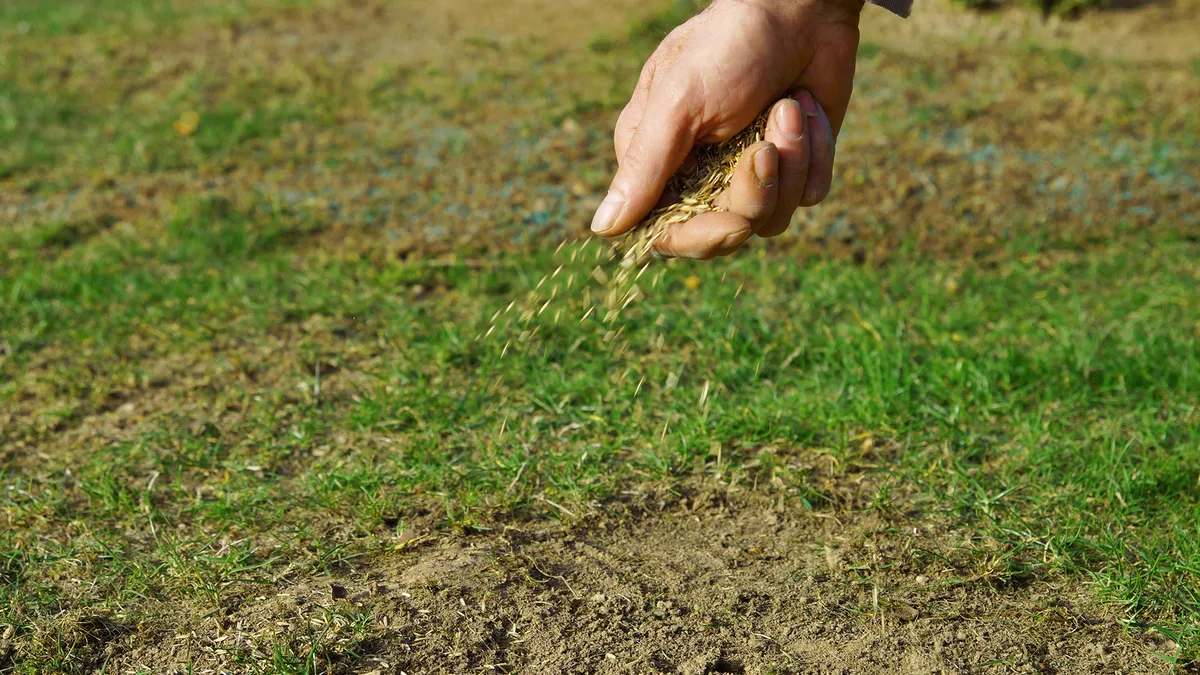
My lawn looks worse for wear after the summer heatwaves, and plenty of bare patches need overseeding, but rather than scattering seed straight off, Craig Elworth, founder of Lawnbright, suggests preparing your lawn first.
He says, “Start by mowing the lawn short and bagging the clippings, removing excessive thatch and loosening the soil with core aeration.”
As mentioned above, Elworth explains that core aeration creates channels into the soil for air, water and roots while also providing pockets where seed can settle.
Once you’ve aerated the soil, spread the right grass seed for your region and lightly work it into the surface, keeping the soil consistently moist until it germinates.
Why you need to overseed your lawn
Overseeding your lawn boosts its density, as sparse turf is more susceptible to weed invasion, lawn fungi and pest damage. “Overseeding helps fill in those bare spots and promotes a thicker, healthier lawn before winter sets in,” says Feldman.
3. Fertilize your lawn
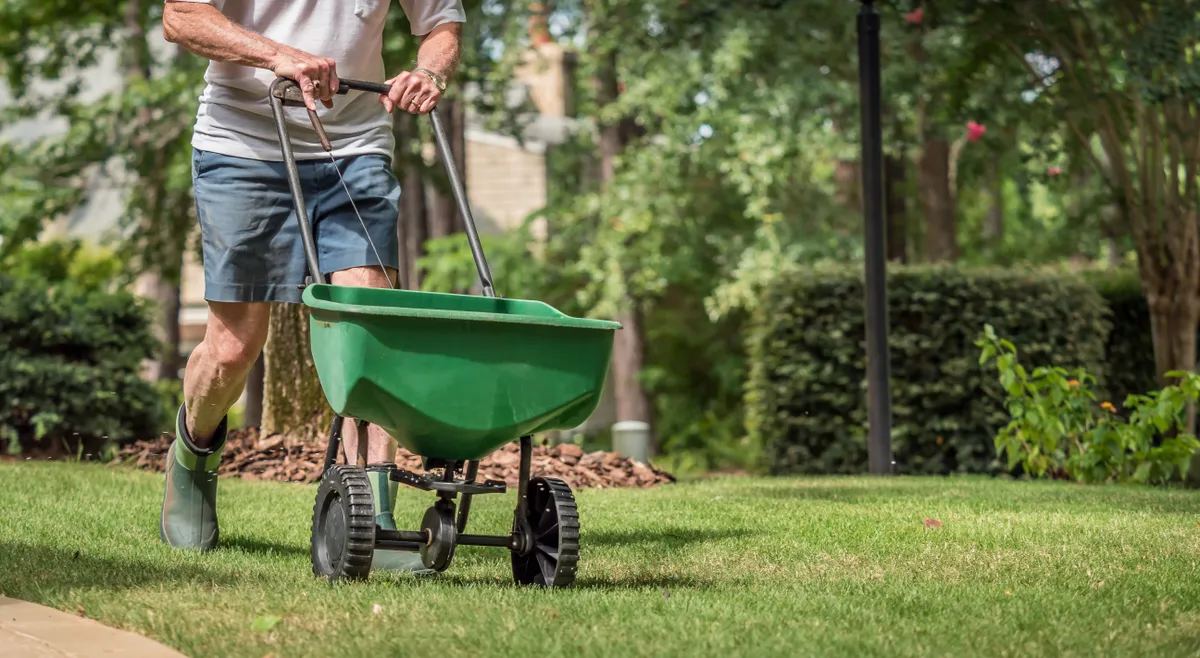
“Fertilizing in the fall is one of the smartest things you can do for cool-season grasses,” says Feldman. “As air temperatures drop and soil stays warm, your lawn shifts its energy from top growth to root development, and the right nutrients can make a big difference.”
But rather than guessing what fertilizer suits your soil type, Gene Callebero, co-founder of GreenPal, suggests investing in a soil test. You could try Luster Leaf’s Rapitest Soil Test Kit that’s $15 at Amazon. And he adds that if you fertilize your lawn now, next year’s lawn will take care of itself.
Feldman suggests giving cool-season lawns their first feed around Labor Day, as it kickstarts growth as temperatures cool. Then, in early November, they’ll be ready for a second feed. If you have warm-season grass, he says one early-fall feed is usually enough.
What to look for in a fertilizer
Choose a fertilizer high in potassium to build strong roots, but low in phosphorus, unless your soil test indicates you need more, advises Feldman, ensuring you apply the feed about 3-4 weeks before your area’s first frost.
Lawncare essentials we love

Follow Tom's Guide on Google News and add us as a preferred source to get our up-to-date news, analysis, and reviews in your feeds.
More from Tom's Guide