




The best memory foam mattresses use dense foams to gently cradle the body, helping reduce pressure build-up at the joints. Instead of starting the day aching, you should wake up feeling like you've snoozed in the comforting embrace of a marshmallow.
Our mattress methodology consists of seven robust tests conducted in our Sleep Lab to capture objective data on the areas of a mattress that most affect your sleep comfort: pressure relief, temperature regulation, motion isolation, and edge support. One of our testers also sleeps on a mattress for at least three weeks and gathers feedback from a broader panel of expert testers. For this guide, we focused on memory foam mattresses that offer the best balance of support, comfort, and value for money.
We've tested all the best memory foam mattresses on the market to bring you our favorite for every sleep style. Yes, that even includes an option for hot sleepers. Modern mattress makers have transformed humble foam into a diverse, sometimes luxurious, occasionally even cooling material. You'll find memory foam bed in our guide to the best mattresses outright.
Memory foam mattresses are typically cheaper than their hybrid or latex alternatives and in the year-round mattress sales, you can find plenty of budget-friendly options. So settle in and explore our guide to the best memory foam mattresses, tested by experts.
October 2026: After intense testing, the Leesa Original has replaced the Nectar Premier as our favorite memory foam mattress. The SweetNight CoolNest and Brooklyn Bedding CopperFlex are other new additions that impressed in our most recent round of testing.
Best memory foam mattress overall

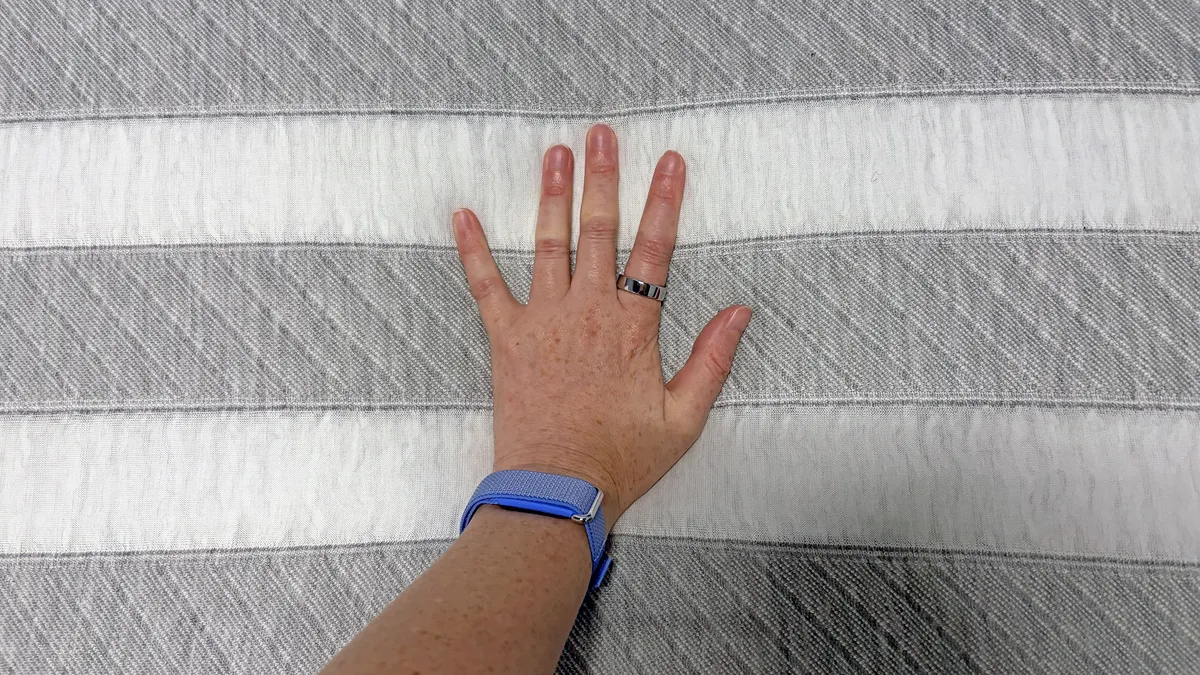


What is it: Leesa's Original mattress is your typical memory foam bed. Expect plenty of cushioning at the shoulders and hips, plus a slow-moving feel that absorbs disruptive movement. But the Leesa Original comes with a secret: the new GreenFlex foam gives it an eco-friendly edge over its competitors.
How it performed during testing: The Leesa Original impressed across our mattress methodology. Pressure relief was a strong point (3.9/5), as the thick foams cushion the hips and shoulders while supporting the spine. But the edge support also earned high marks (4.5/5) with a sturdy feel right up to the sides. And those same dense foams eat up movement so a tossing and turning partner won't bother you (3.6/5.) The breathable eco-foam also reduces heat build-up (3.8/5) so you sleep relatively cool, even on hot nights.
It takes a few nights to break in the Leesa Original at home. But after the initial adjustment period, you'll enjoy a bed that cushions the joints without causing you to 'sag'. It's a gentle embrace rather than a full on 'hug', leaving you with ample cradling support.
How it compares to top-rated rivals: The Leesa Original kicked the Nectar Premier out of the top spot in this guide, and that's because while both offer exceptional pressure relief, the Leesa has more support for back sleepers. But opt for the Nectar Premier if you want a more luxurious feel at a similar price.
And the Leesa Original outperforms similarly priced rivals like the Puffy Cloud when it comes to the classic foam 'hug'. The Original feels like you expect an all-foam bed to, and it does so using an eco-alternative to traditional foam.
Who should and shouldn’t buy it: Side sleepers, this is a top pick for you. It's also great for couples, particularly if you and your partner favor side sleeping. Stomach sleepers will need something firmer (try the Siena or Plank) but most back sleepers should feel well supported.
Best value memory foam mattress


What is it: Nectar's flagship Classic mattress combines the features we look for in the best mattresses in a box: an impressive build quality and design at a price that's easier on the budget. It's not the soft, squishy feel you might expect from an all-foam bed but the support is exceptional. You get a lot of bang for your buck.
How it performed during testing: We've tested and retested the Nectar Classic over the years and what most stood out is the all-round support. Earning full marks for edge support (meaning you can sit and lie comfortable on the sides), the Classic has a firmer feel that best suits back and stomach sleepers.
The motion isolation is also good (that's a recurring theme in this guide), but our thermal cam test showed you can expect some lingering warmth. Try the Siena Signature for a firm foam mattress that's better at kicking out excess heat.
How it compares to top-rated rivals: We rated the Nectar Classic highly for value for money. At $699 for a queen in the year-round Nectar mattress sale, you'll struggle to find a better quality build in this price bracket. However, it's not a classic 'hug' memory foam feel. For that, you want to upgrade to the Leesa Original or the Nectar Premier.
Who should and shouldn’t buy it: Back and stomach sleepers will appreciate the firm support of the Nectar Classic, while couples can enjoy stretching out on the super sturdy edges. It's also ideal for anyone looking to maximize their investment, thanks to its impressive build for the price (Nectar mattress sales last year-round). But side sleepers will need more cushioning to avoid shoulder pain. For you, it's worth paying extra to upgrade to Nectar's Premier mattress.
Best luxury memory foam mattress


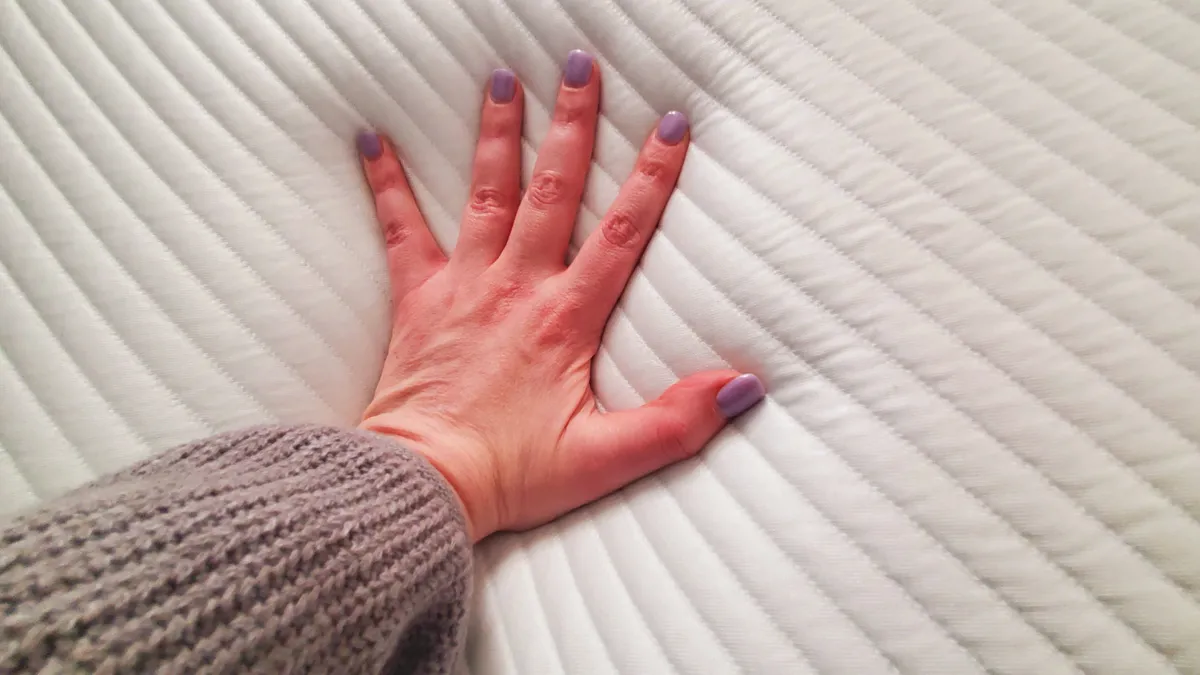


What is it: If you want a classic memory foam feel, you'll find it with the Tempur-Pedic Tempur-Adapt mattress. Tempur Material is the original memory foam, developed from NASA foams to create cozy cushioning that immediately hugs your body. It's a feel Tempur-Pedic describes as "legendary," and while many brands imitate it, few get it spot on. But if you want the original, you'll have to pay a high price.
How it performed during testing: The Tempur-Adapt strikes a balance of relief and support that eased the aches of our testing team (including a tester with chronic pain.) Side sleepers might find it takes a few days to break in, but back sleepers can expect comfort from the get-go. The motion isolation is also top-notch, with our tester praising how the foam absorbed "virtually every movement."
But there is an elephant in the room: temperature regulation. Tempur-Pedic beds have a reputation for sleeping hot, and the Tempur-Adapt is no exception, earning a 2/5 from our testing team.
How it compares to top-rated rivals: If you want more affordable body cradling, the Nectar Premier and Leesa Original are mid-range alternatives. There's also the Zinus, if you want a budget choice, but be aware it lacks the support of the other options. For hot sleepers, consider the GhostBed Luxe.
Who should and shouldn’t buy it: It's almost impossible to mention memory foam and not talk about Tempur-Pedic, and the Tempur-Adapt exemplifies what we expect from a classic foam feel: a full-body hug that leaves you weightless. However, the temperature regulation is a big sticking point, as even non-hot sleepers are likely to wake up warm. Tempur-Pedic mattress sales are semi-frequent but fleeting so if you see a price drop, don't let it pass you by.
Best cooling memory foam mattresses
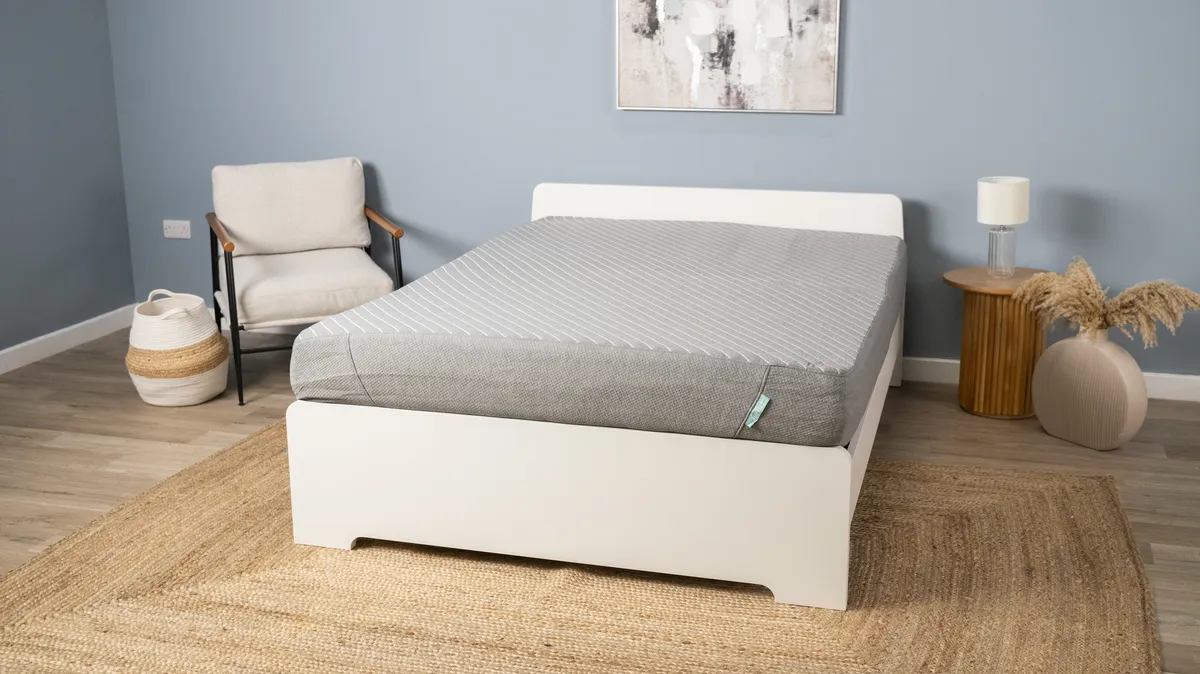


What is it: When we put the Siena Signature through our intense mattress review process, we weren't expecting a performance like this. At under $350 for a queen, it sits firmly in the budget category, but this affordable mattress outperformed beds several times its price. Particularly when it comes to support, as this firm mattress holds the spine lifted and aligned. Perhaps we shouldn't be surprised: it's from the brand behind Nectar and DreamCloud, after all.
How it performed during testing: As a cheaper foam bed, we assumed the Siena would fall short at temperature regulation (foam has a reputation for trapping heat), and while it doesn't compare to something like the Bear Elite Hybrid, it does keep a relatively neutral feel all night (temperature regulation score: 3.3/5). We tested it during some hot overnight conditions and while it's not cool to the touch, it does stay neutral throughout the night.
Another highlight is motion isolation: scoring 4.6/5, this bed absorbs nearly all of your partner's tossing and turning. The edge support is excellent (4/5), and thanks to the firm feel you can lie right up to the sides. That firmness provides the whole mattress with sturdy support, which is good news for back and stomach sleepers, but side sleepers will likely want something softer.
How it compares to top-rated rivals: The SweetNight is a similarly priced alternative that delivers the softer pressure relief side sleepers will need. Or there's the cheaper Zinus Green Tea, but watch out for heat build-up. However, we suspect all these beds will have issues with durability. If you want something with a longer lifespan, we recommend upgrading to the Brooklyn Bedding CopperFlex. At $649 for a queen, it's more expensive, but you should make your money back in terms of usage.
Who should and shouldn’t buy it: For anyone looking to buy a mattress on a budget, you'll struggle to get better than the Siena — it's our best cheap mattress for good reason. It's an excellent choice for stomach and back sleepers, hot sleepers, and couples but side sleepers should try the SweetNight or Zinus instead. But the Siena is always a good price, as Siena mattress sales run year-round.
Best soft memory foam mattress


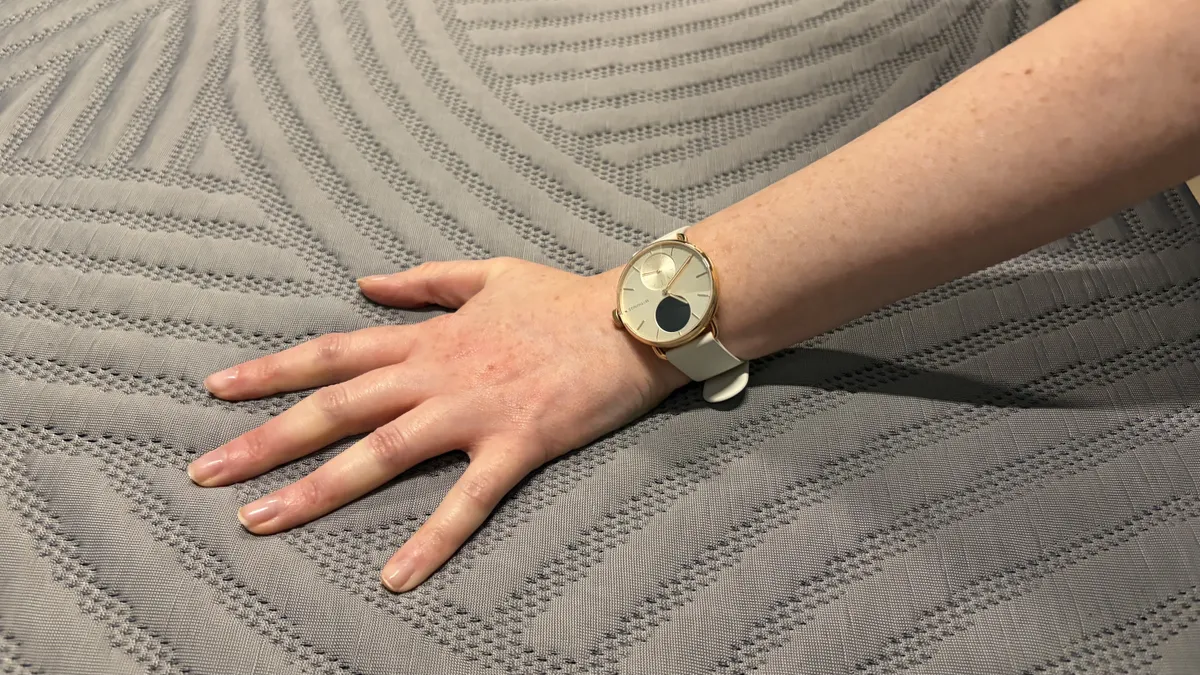


What is it: Cooling mattresses tend to be high-priced hybrids but the SweetNight attempts to deliver breathable comfort from a budget foam design. It's not entirely successful but the soft feel and cushioned pressure relief are winners for side sleepers.
How it performed during testing: We put the SweetNight through our thermal image testing and the initial results were worrying; it gained a lot of heat fast. But it also dropped heat quickly so while you can expect some warming, it shouldn't hang around. Our lead tester slept on the SweetNight during a hot summer and didn't worry about overheating.
When it comes to edge support, the SweetNight outperformed our expectations (4.5/5) while the motion isolation is also excellent — one of our testers could hardly feel another person jumping into bed. Pressure relief was another high scoring area and throughout the at-home testing process our tester enjoyed bundles of cushioning at the hips and shoulders.
How it compares to top-rated rivals: The Siena Signature outperforms the SweetNight in most areas, including price, but it's a much firmer bed, making the SweetNight a better choice for side sleepers. Or you can opt for the Zinus, but be aware this cheaper model has a tendency to heat up (think of it like a very warm hug.)
Who should and shouldn’t buy it: The soft hug of the SweetNight CoolNest keeps side sleepers cradled — but without the overheating you might expect from a memory foam bed. The Siena is better for support and durability (and stomach sleeping) but at just $399 for a queen in the standard sale, the CoolNest delivers excellent value for money.
Best memory foam mattress for stomach sleepers
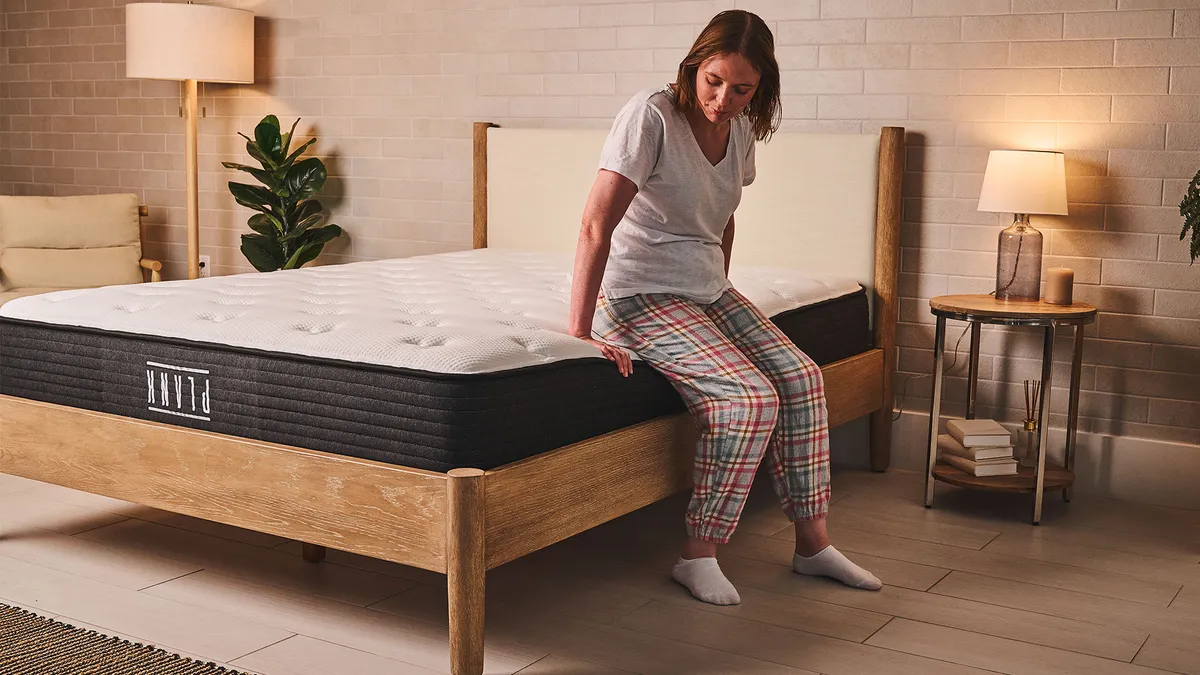


What is it: Think of a memory foam mattress and you probably imagine yourself sinking into soft foam. That's not what you get with the Plank. This double-sided bed is firm on one side, extra firm on the other, with exceptional support that lifts the body from tip to toe. It's unlike almost any memory foam mattress out there.
How it performed during testing: Testing pressure relief on the Plank mattress is tricky. The best beds create relief via cushioning and support. The Plank, on the other hand, is pretty much all about the support, particularly on the Extra Firm side (the Firm side has a little more padding.) As a result, back and stomach sleepers will feel minimal strain on the spine, but side sleepers are going to wake up with sore shoulders. And even after weeks of testing, the foams don't soften up much.
One advantage of this firmness is incredible edge support — our tester could starfish off the sides — and even the motion isolation is good. However, we were surprised at how much heat those unyielding foams retained, so expect some warm mornings.
How it compares to top-rated rivals: The Plank is one of the best firm mattresses, but the Siena is an excellent alternative if you want support on a budget. Alternatively, mattresses like the Nectar Classic and Puffy Cloud offer a firm feel without the extremes of the Plank. And if the words 'Plank' and 'comfort' sound like oxymorons to you, we recommend sticking with the cushioning of the Leesa Original.
Who should and shouldn’t buy it: As a super firm mattress, the Plank won't appeal to everyone, and it definitely won't suit most side sleepers, although thanks to a 950lb mattress weight capacity, it's a good pick for side sleepers with a heavy build. But it's a unique bed, and that Extra Firm side really does keep every vertebra of your spine lifted. And with a queen $999 in the year-round sale, it's competitively priced.
Best memory foam mattress for back sleepers


What is it: Brooklyn Bedding's CopperFlex mattress line-up has produced some of our favorites (including the impressive CopperFlex Pro Hybrid.) This middle of the line option maintains the luxury look we've come to expect from the collection, with a medium-feel that will suit most sleep styles — and back sleepers in particular.
How it performed during testing: Our lead tester Eve has slept on a lot of cooling beds, so you can trust her when she says the CopperFlex memory foam sleeps hot. But if you can look past that, this bed is a good all-rounder, with sturdy sides and dense foams that eat up excess movement.
We were also impressed with the pressure relief. You don't sink into the foams but they contour to meet you, taking the weight off at the major touch points. It's best for back sleepers but if you toss and turn, you should feel comfortable every which way.
How it compares to top-rated rivals: The heat retention puts the CopperFlex behind the similarly priced Nectar Classic, but the CopperFlex does deliver slightly more padding. Alternatively, the Puffy Cloud is a cooler choice for back sleepers... but the higher price tag means the Brooklyn Bedding mattress pips it for a place in our guide.
Who should and shouldn’t buy it: There's one thing we haven't delved into here and that's the overall finish of the CopperFlex Memory Foam. It has a touch of the luxury mattress to it, for back sleepers who want to indulge but don't have the budget. But if you regularly wake up sweating, give this one a miss.
Best memory foam mattress under $200


What is it: The Leesa Original is the best mattress for side sleepers in this guide, but at around $1,000 for a queen, we recognize it might be out of budget for many. The Zinus Green Tea is an affordable alternative (seriously — you can often get a queen for around $200 on Amazon), a cheap all-foam mattress that shines when it comes to cloud-like pressure relief.
How it performed during testing: The squishy foams of the Zinus had some stumbles during our mattress testing process, starting with temperature regulation; our tester often woke up having to kick the covers off. Edge support is also a weak point, with our lead tester literally sliding out of bed on more than one morning.
However, those plush foams do come with dual benefits. For a start, the pressure relief is delightfully cozy for side sleepers, particularly those of a lighter build. And the motion isolation is fantastic, even if changing position is tricky.
How it compares to top-rated rivals: If edge support and temperature regulation are deal breakers, we recommend the Siena mattress instead. It's also the better choice for back and stomach sleepers (the Zinus simply lacks the support needed at the lumbar.)
Alternatively, consider the EGOHOME Black or SweetNight CoolNest. They're not as soft (or as cheap), but our lead tester is a lightweight side sleeper, and she loved the cushioning.
Who should and shouldn’t buy it: For those who have the budget, we do recommend upgrading to the Leesa for an all-round stronger performance. But if you're trying to save money, the Zinus has a full-body hug that side sleepers should love. Buying from Zinus will cost you around $500, but head to Amazon and you'll pay roughly half of that. (However, you'll receive better aftercare purchasing straight from the brand.)
Also tested
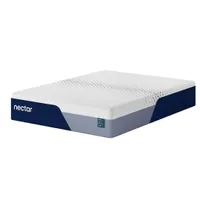


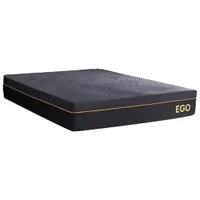
Memory foam mattresses we're currently testing
The testing never stops for us. Below are the memory foam mattresses we're currently evaluating. Stay tuned for our complete reviews, and see if they make this list.

How we test memory foam mattresses
At Tom's Guide we're always researching and testing new memory foam mattresses so we can confidently recommend the best. Our review process is editorially independent and our team of expert testers use a set criteria to ensure you get a well-rounded, unbiased opinion. Only the top ranked memory foam mattresses make it into this guide.
In our specialist sleep studio we test mattresses for key performance aspects including support and pressure relief. Each test is supervised by experts and we compare data across mattresses to best understand the results.
Comfort is a vital metric when choosing a memory foam mattress but it's also highly subjective. To create an objective understanding of how much pressure relief you can expect from a foam mattress, we use a series of weight tests. We place 25kg and 10kg weights in the sleeping areas and, using a laser, we measure immediate sinkage and sinkage after five minutes, as well as how long it takes the materials to bounce back.


Typically, the more the weight sinks, the more contouring you can expect and the more pressure relief. A quick bounce back indicates a foam that will move with you (good for those who like to shift around) while a slow bounce back suggests a bed that will hold onto you.
To further understand comfort in each sleep position, we use a laser to observe sinkage across the body. A member of our team will lie on the mattress and we align a laser pen with their spine. After 10 minutes in position, we check the two are still in-sync. If they are, this suggests good support. If they aren't, it's likely the body will sink during the night. This can cause aches and pains.
To test motion isolation, we use a 5kg slam ball and an accelerometer. We drop the ball on one side of the bed and, using an accelerometer secured to the other side, can observe the initial impact and how long it takes for the movement to fade. Memory foam mattresses are often known for their motion isolation — with this test, we can see if that honor is earned.
We also get hands on with motion isolation tests, using standardized movement to determine how every toss and turn feels for co-sleepers. Memory foam mattresses often have less 'bounce' than hybrids, so we pay close attention to how quickly the beds can absorb motion.


Next is temperature regulation. Memory foam has a reputation for sleeping hot but we use thermal cameras to determine if this is accurate. With a tester on the bed, we record how much the mattress heats up across 15 minutes (including the center and corners of the bed.)
Once the tester has left the bed, we continue to monitor the temperature, tracking heat retention and dissipation. Because all-foam mattresses can struggle with temperature control, you'll notice several beds in this guide fall behind in this aspect — they make up for it in other ways.
We use standardized weights to understand edge support, measuring the sinkage of a 25kg weight at the foot and side of the bed. Deep sinkage indicates you might find the edge of the bed unstable to sit on.
Our 'roll off' test is another hands-on (and fun) way to understand side support — how far to the edge of the bed can we get before we go crashing down? Memory foam mattresses can often suffer from weak edges, so these tests are important for understanding the all-round support.


Subjective experience is still key to our process and every mattress we review is slept on at home for at least three weeks by a member of our mattress testing team. We also ask a review panel, consisting of people with different body types and sleep needs, to try the mattress for at least 10 minutes, to gather a well-rounded opinion.
This at-home testing helps us better understand how the mattress performs in real world settings. It also gives us a chance to break in the mattress — memory foam often softens with use, which can impact our comfort.
After this subjective and objective testing we rate the mattress in each performance area, using these ratings to determine our overall score out of five.
You can find out the ins and outs of our review process in our mattress testing methodology.
Memory foam mattress FAQs
How do you choose the right memory foam mattress for your needs?
We've tested a variety of memory foam mattresses and while the choices above all come recommended by our experienced testing team, they won't suit every type of sleep style. Here's what to consider when choosing the right memory foam mattress for you:
Sleep position
The contouring cushioning of memory foam means this material has traditionally suited side sleepers — by adapting to the hips and shoulder, the foams can eliminate pressure build-up at the touch points. If you're a side sleeper, look for a memory foam mattress that contours to your body shape.
Back and stomach sleepers can also find comfort on a memory foam mattress, although we recommend a design that prioritizes support over pressure relief. Beds made with firmer foams, such as the Plank Firm and Siena, keep the body lifted to prevent the spine from twisting during the night.
Support and comfort
The support in a memory foam mattress typically comes from the base foams. Thick and durable, these base foams should deliver an even support from head-to-toe, preventing your body from sinking too far into the bed. Support is important for every sleep style but if you're a stomach sleeper looking for a memory foam mattress, this is the feature to prioritize.
An all-foam mattress typically uses memory foam in the comfort layers — the upper layers that are responsible for pressure relief. These materials adapt to the body to evenly distribute weight and prevent pressure from building up. A must for side sleepers.
Sleep needs
Whether you share a bed with your partner or your three dogs, motion isolation is a key concern of co-sleepers. Memory foam tends to excel at motion isolation as, unlike bouncy spring beds, foams are able to quickly absorb and deaden movement.
Temperature regulation is the flip side to motion isolation — compared to hybrids, memory foam mattresses tend to have poor temperature control. While spring beds have natural airflow, all-foam mattresses can trap heat. Some brands use cooling infusions, such as copper or graphite, to help heat dissipate.

Those with reduced mobility might require a mattress with strong edge support, to aid stability when getting on and off the bed. We recommend a firmer memory foam mattress, as these typically have stronger sides.
Body type
Memory foam mattresses can suit sleepers with bigger builds, although we recommend checking the weight capacity before making your purchase. Most of the best mattresses for heavy people come with the enhanced support of springs but brands like Plank Firm have developed new options for sleepers with larger frames.
Price, trial and warranty
We consider a mattress to be an investment piece and paying more can help you enjoy better sleep for longer. There are memory foam mattresses for every budget and as a whole, all-foam beds tend to be cheaper than hybrids of the equivalent quality.
A sleep trial is important when buying a mattress online, as it allows you to test the bed at home and receive a refund if it isn't right for you. It can take a few weeks to break in a foam mattress, so be aware the feel will change with time.
Finally, a warranty provides protection against manufacturing faults and errors. 10 years is considered a standard warranty length.

Do memory foam mattresses have fiberglass?
Some memory foam mattresses do contain fiberglass, while others don't. The best way to know if your mattress contains fiberglass is to check the label — brands that don't use fiberglass are happy to broadcast that fact.
Fiberglass is a cheap and effective fire retardant, which is why it has been frequently used in mattresses. Mattresses are otherwise highly flammable and fiberglass, a synthetic material that can be woven into beds, acts as a flame barrier.
Left inside the mattress, fiberglass doesn't pose much of a risk. However, if the fiberglass becomes exposed (through the mattress cover being removed or torn), it can damage the skin, eyes and respiratory system. It's also difficult to get rid off, meaning you might have to hire professional cleaners if fiberglass breaks free.
While many mattress brands are moving away from fiberglass towards safer alternatives, as a cost-effective fire barrier it's often found in cheaper beds. And as cheaper beds are typically all-foam, fiberglass has become associated with memory foam mattresses.
However, many memory foam mattresses contain no fiberglass. For example. all Nectar mattresses since 2023 are fiberglass free.
How long do memory foam mattresses last?
All-foam memory foam mattresses typically have good longevity, with a well-built memory foam mattress expected to last for around six to 10 years. After this time, we recommend you replace your mattress.
Six to 10 years is considered the standard lifespan of a mattress, although mattresses made with latex foams will typically last longer than this. All-foam mattresses as a whole tend to have better durability than hybrid and innerspring mattresses, but foam density has a major impact on lifespan.
High density foams literally pack more material into the foam, resulting in increased strength and durability to maintain comfort for longer.
However, eventually the consistent application and release of pressure will cause even the best foam mattresses to sag. When this happens, you need to replace your memory foam mattress.
How do you clean a memory foam mattress?
Taking good care of your memory foam mattress can prolong its lifespan. We recommend regular light cleaning to prevent the build-up of dust and sweat, with occasional deep cleans to keep your mattress free of dust mites and other pests.
To keep your memory foam mattress clean, air it regularly; simply strip back the covers in the morning to allow moisture to escape. We also suggest vacuuming your mattress roughly once a week — a specialist mattress vacuum can help you get into the corners but the furniture attachment on your household vacuum is a useful alternative.
Moisture can damage a memory foam mattress so be sure to blot any spills immediately. We also recommend a light touch during stain removal; avoid soaking the bed as trapped moisture can cause mold.
For more information, check out our guide to deep cleaning a mattress.

