




As we head into 2026, it's not just new tech, trends, and tools on the horizon: cyber threats are evolving, too. The more we rely on cloud storage, AI tools, smart home gadgets, and digital communication, the more attractive and complex the threat landscape becomes.
From coordinated misinformation campaigns to attacks fueled by artificial intelligence, cybercriminals are finding new ways to exploit our habits, and even the very platforms we trust.
While some threats are still on the horizon, others are already here, quietly spreading through everyday apps and services. Whether you're browsing, working remotely, or managing finances online, staying informed is your first line of defense.
Here are the five biggest cybersecurity risks that could shape 2026, and what you need to know to stay one step ahead.

Top 5 cybersecurity risks in 2026
1. Risk of internet monoculture
In 2026, a growing number of websites, apps, and services will rely on the same few cloud providers, CDNs, and productivity tools: think AWS, Cloudflare, Google Workspace, and Microsoft 365. This increasing centralization makes the internet more fragile and more rewarding for hackers. If one major platform goes down or gets compromised, the ripple effects can hit millions of users at once.
What was once a diverse mix of digital infrastructure is now largely monocultural, and that's a problem. In the past, having different systems (like Sun Microsystems, Linux, and Windows servers) made attacks harder to scale. Today, the opposite is true.
Adrianus Warmenhoven, cybersecurity expert at NordVPN, warns: "Because the digital ecosystem nowadays is largely monocultural, everyone becomes a target. Online, there is no such thing as being uninteresting. Any small piece of data, even something as simple as DNS records, can be sold, aggregated, and monetized. Simply existing online makes you a target.
The takeaway? The more uniform the internet becomes, the more exposed we all are.
2. Increasing misinformation through new channels
In 2025, a worrying trend picked up speed: sensible security advice was mocked or dismissed across social platforms like Reddit, TikTok, and even live streaming services. From ridiculing VPN use to downplaying password hygiene, online communities have begun normalizing risky behaviors, and that's exactly what cybercriminals want.
In fact, some criminal organizations are running marketing campaigns that would rival legitimate businesses. With access to significant funding, they're paying influencers, running ads, and pushing misleading content designed to keep users complacent. The goal? To promote unsafe tools, weaken trust in security best practices, and keep people vulnerable.
As this tactic gains momentum in 2026, expect to see more "trusted" personalities downplaying privacy concerns, sometimes knowingly, sometimes not. The result is a growing digital environment where good habits are mocked and poor decisions are amplified.
Staying skeptical and informed will be more important than ever.
3. AI-driven vulnerabilities and accelerated cyberattacks
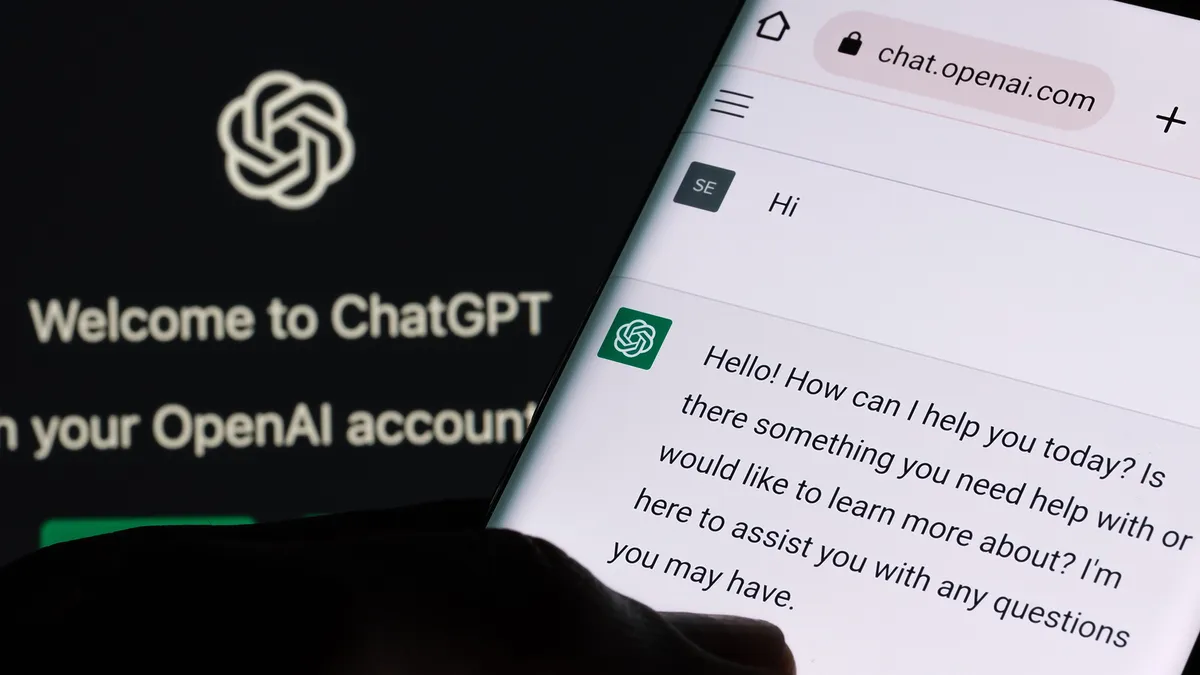
AI is reshaping the threat landscape in 2026, both by making attacks faster and by lowering the barrier to entry for would-be hackers. Tools like ChatGPT often store conversations in your browser's local storage, and that makes sensitive discussions (about work, finances, or personal matters) vulnerable to malware and info-stealers.
Even though users are regularly warned not to share private data with AI tools, many still do, creating an easy target for attackers and raising questions about how AI companies themselves handle that data.
Marijus Briedis, CTO at NordVPN, explains: "2026 will also see a dramatic escalation in AI-powered offense and defense. AI has altered the accessibility and sophistication of cybercrime, lowering barriers for less technical actors while amplifying the capabilities of experienced criminals."
Criminals are already experimenting with autonomous AI systems that can scan networks, identify weaknesses, and execute attacks with little to no human oversight. Cheap, powerful tools like "Evil GPT" are spreading on the dark web, often available for as little as $10. These models can adapt, learn, and even mimic language patterns for realistic phishing messages or automated scams.
AI is making attacks faster, smarter, and harder to detect, and it's only just getting started.
4. Erosion of trust
As more services move fully into the cloud, cybercriminals are increasingly targeting the systems we rely on to verify identity, and 2026 may mark a tipping point. Deepfakes, voice cloning, realistic AI-generated personas, and automated phishing bots are making it harder than ever to tell what's real and what's fake.
Attackers are blending real user data with fake identities to create synthetic personas that can bypass verification systems, apply for credit, open bank accounts, or commit fraud for months, even years, before being detected.
AI scams are becoming more convincing and scalable, enabling criminals to build entire fake websites or services that look completely legitimate. The tools behind these scams are getting easier to access, and harder to identify.
The result? A growing erosion of trust in the apps, services, and even the people we interact with online. In 2026, the most dangerous cyber threats may not attack your data: they'll target your judgment.

5. Viability of quantum security threats
Quantum computing is still emerging, but it's already influencing how cybercriminals think, and how they act. While fully operational quantum attacks may be a few years off, many threat actors are already preparing. Their strategy? Steal encrypted data now and decrypt it later, once quantum tech catches up.
Marijus Briedis, CTO at NordVPN, notes: "The quantum computing market is projected to surpass $5 billion in 2026, with much of the new investment aimed at commercializing its impact beyond niche applications. As a result, cybersecurity will become a major focus."
If quantum decryption becomes viable, it could expose decades of stored private data, including financial records, government files, and sensitive communications, retroactively.
Cybersecurity expert Adrianus Warmenhoven puts it this way: "As the borders between the physical and digital worlds blur, cybersecurity is no longer just a technical issue but a societal one. It's like teaching a child how to eat a sandwich but not how to brush their teeth. Digital education has focused on literacy (how to use devices), whereas the focus must shift to digital hygiene."
In 2026, being "quantum-resilient" isn't just a long-term goal. It's a conversation that needs to start now. With this in mind, some of the best VPNs, like NordVPN and ExpressVPN, have introduced post-quantum encryption to their offerings.
We test and review VPN services in the context of legal recreational uses. For example: 1. Accessing a service from another country (subject to the terms and conditions of that service). 2. Protecting your online security and strengthening your online privacy when abroad. We do not support or condone the illegal or malicious use of VPN services. Consuming pirated content that is paid-for is neither endorsed nor approved by Future Publishing.
