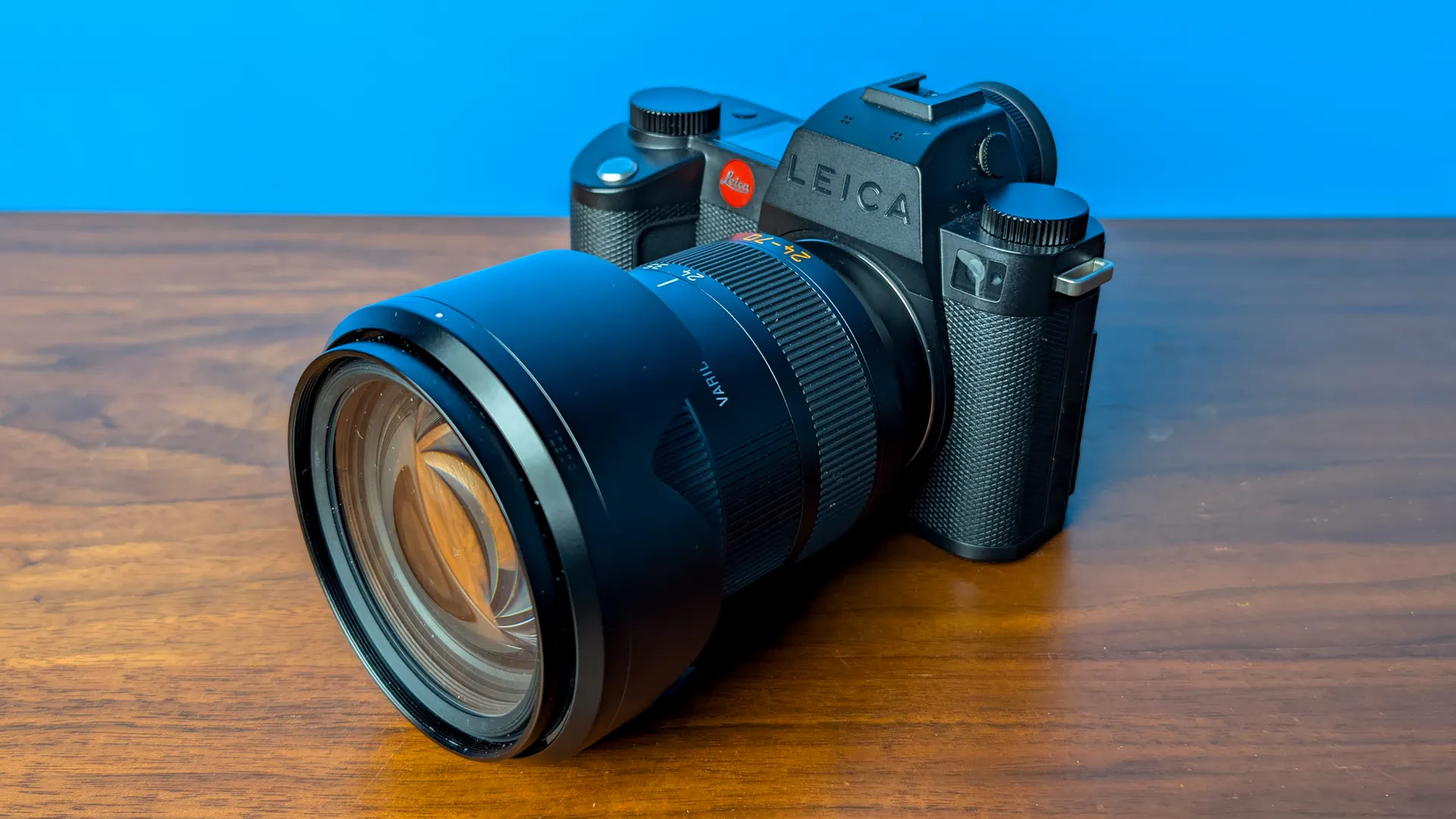
As a photographer, few things make me happier than using an outstanding camera that takes stunning photos. And as a journalist here at Tom's Guide, I review a lot of consumer tech, including the best mirrorless cameras. That means I get to play with the latest and greatest cameras, capturing stunning sights, and call it work. It's a fantastic job.
For the last two weeks, I've been testing one such camera, and that's the Leica SL3-S. The SL3-S is the Leica SL3's sibling, and both cameras share the same body, autofocus system, and L-mount. The SL3-S, however, is aimed at hybrid content creators who work with both stills and video, and it boasts faster burst shooting (up to 30fps) and 6K Open Gate video. And it's cheaper!
The SL3-S is one of the most beautiful cameras I've had the pleasure of using or testing. It handles sublimely thanks to its stripped back controls and straightforward menu system. It takes gorgeous photos with its 24MP BSI CMOS sensor, and there's 30fps burst shooting too, for anyone partaking in high-speed photography.
There are plenty of things to love about the SL3-S but equally so, there's one thing I dislike and can't look past. Without further ado, here are three things I like about the SL3-S, and one I don't.
What I like
Sublime handling and controls
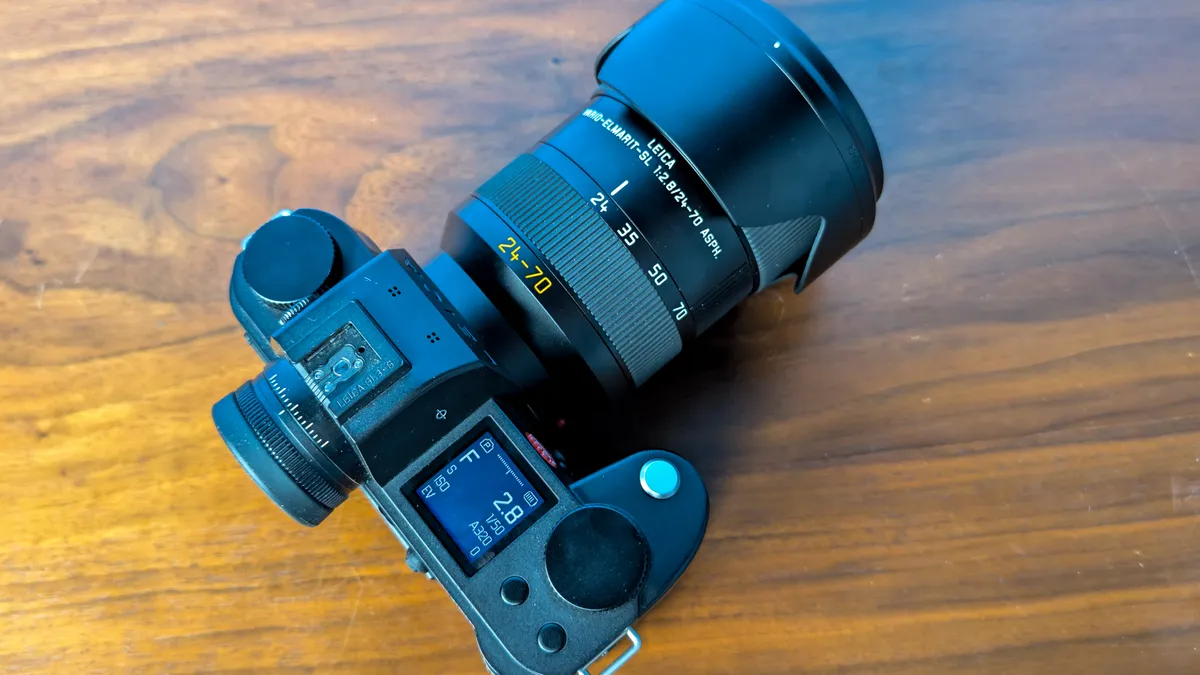
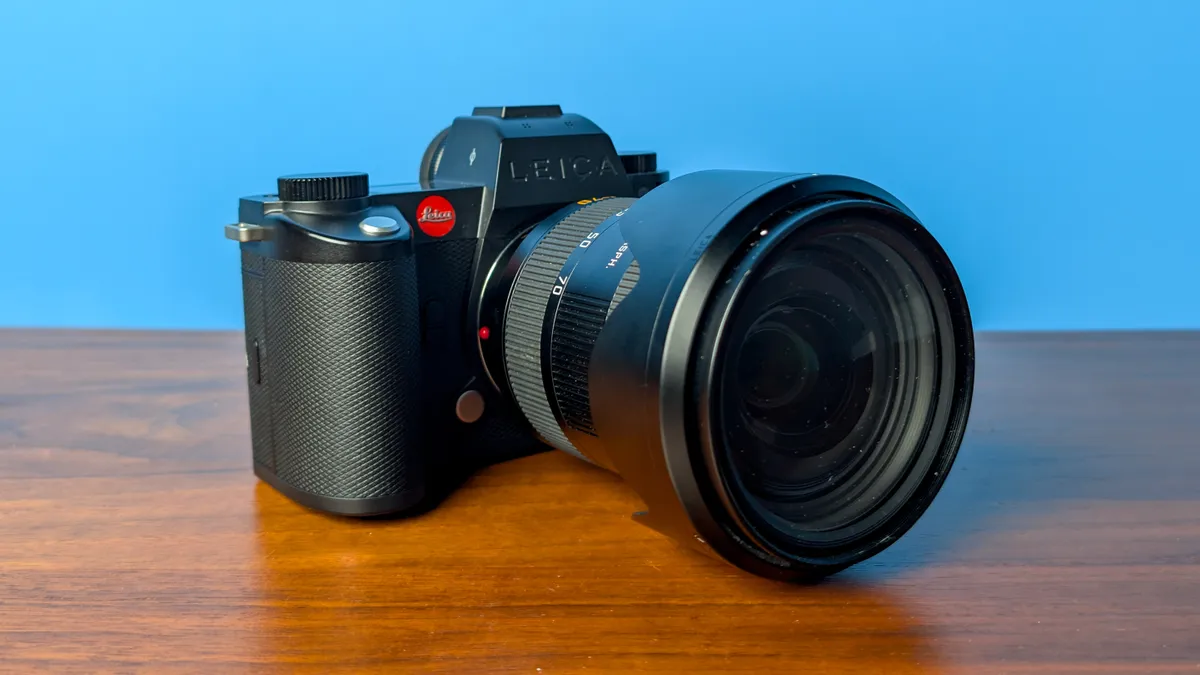
One of the things I've always appreciated about Leica cameras is their build quality and handling. The Leica SL3-S is no different. It bears striking resemblance to the SL3: it's the same body and the same controls, and I have no complaints there. It measures 5.55 x 4.25 x 3.33 inches and the body weighs 1.69lbs (without battery, SD card and camera bayonet cover).
Though it's a little heavy with a lens attached, it isn't unwieldy to handle. The chunky grip on the right-hand side protrudes quite a bit, and it's perfect for my medium-sized hand to wrap around. The OLED EVF with its resolution of 5.76M dots and refresh rate of 60Hz/120Hz is bright and comfortable to look through too. In addition to that, I love the dual displays: a 3.2-inch rear monitor with a resolution of 2.33M dots, and a 1.28-inch LCD which quickly shows you the active settings.
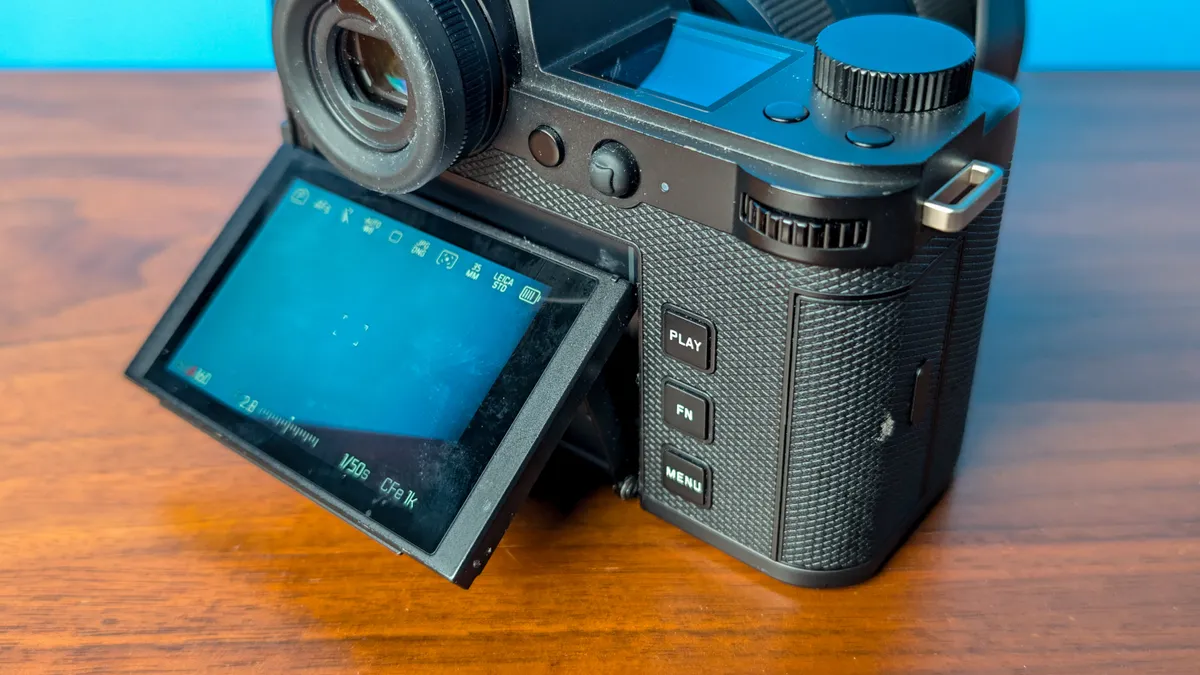
I also appreciate how rugged and robust the SL3-S is. Its body is IP54-rated, which means it's protected from dust ingress and water spray from any direction. Having shot with the SL3-S in the rain (typical British weather for you), I can confirm that the SL3-S is indeed waterproof, making it a fantastic choice for landscape photographers or anyone who shoots outdoors, really.
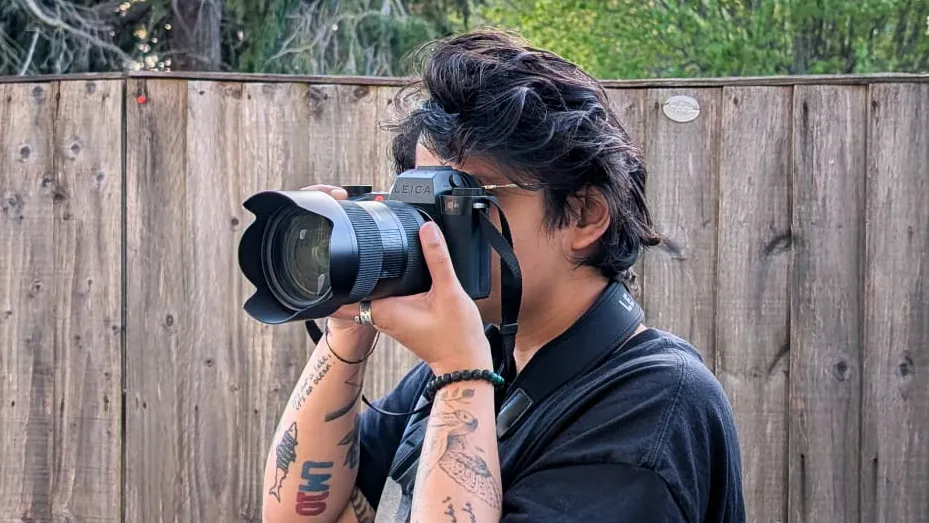
Keeping in line with Leica's luxurious philosophy, controls on the SL3-S are stripped back and well-laid out as well, as there aren't too many overwhelming buttons and dials. Similarly, the user interface and menu system is extremely clean and well-signposted. If you want a detailed breakdown of the controls and design, check out my Leica SL3 review — like I said, both the SL3 and SL3-S are visually identical.
Sharp image quality



Unlike the Leica SL3 which utilizes a 60.3MP sensor, the Leica SL3-S settles for a 24MP BSI CMOS sensor to prioritize speed (30fps burst up from 15fps) and improved video capabilities. Even so, the 24MP images the SL3-S captures are gorgeous, and they still pack plenty of detail. While they aren't suited for large format printing or extreme crops, they're ideal for online use, portfolios and making small prints.
I've always been a fan of Leica's colors, and you can see just how beautiful the different shades look in the galleries above (shot in the Standard color profile) and below. The purples and blues appear deep and rich, while the pinks pop, and the camera has captured the pastel pink shades well too. The images are very sharp, as you can see every seed head on the dandelion in the third slide, and the red flower's stigma in the fifth slide above.
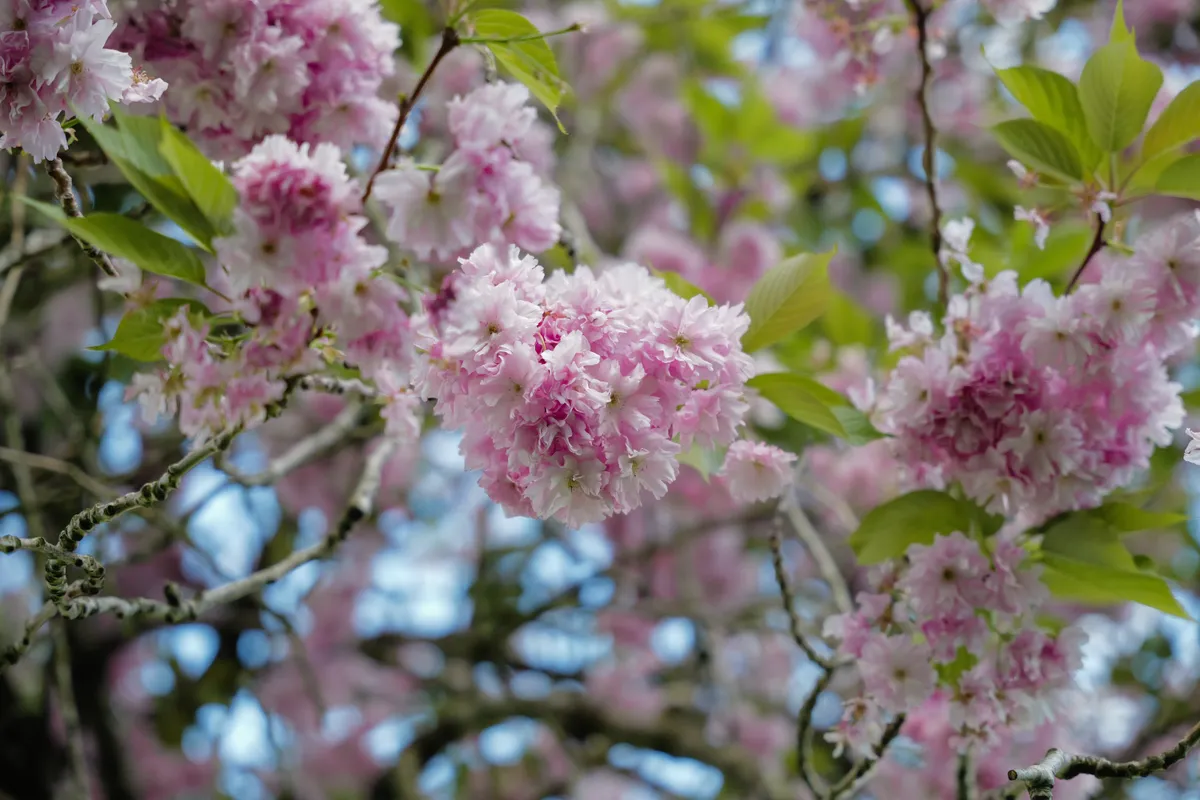


Just like on its other cameras, Leica offers users access to a few color profiles on the SL3-S: Standard, Vivid, Natural, Monochrome, and Monochrome High Contrast. The photos in the gallery above were shot with the Vivid color profile toggled. I love how deep the greens appear in the first and second slides, with just the right amount of depth to contrast against the bright pink flowers.
In terms of the camera's shooting settings, the electronic shutter has a shutter speed of 60s to 1/16000s, while the mechanical shutter has a speed of 30m to 1/8000s. The SL3-S has an ISO range of 50-200,000, up from 100,000 on the SL3. There's 5-axis in-body image stabilization (IBIS) at play too, providing up to 5.5 stops of compensation, enabling you to shoot at slow shutter speeds.
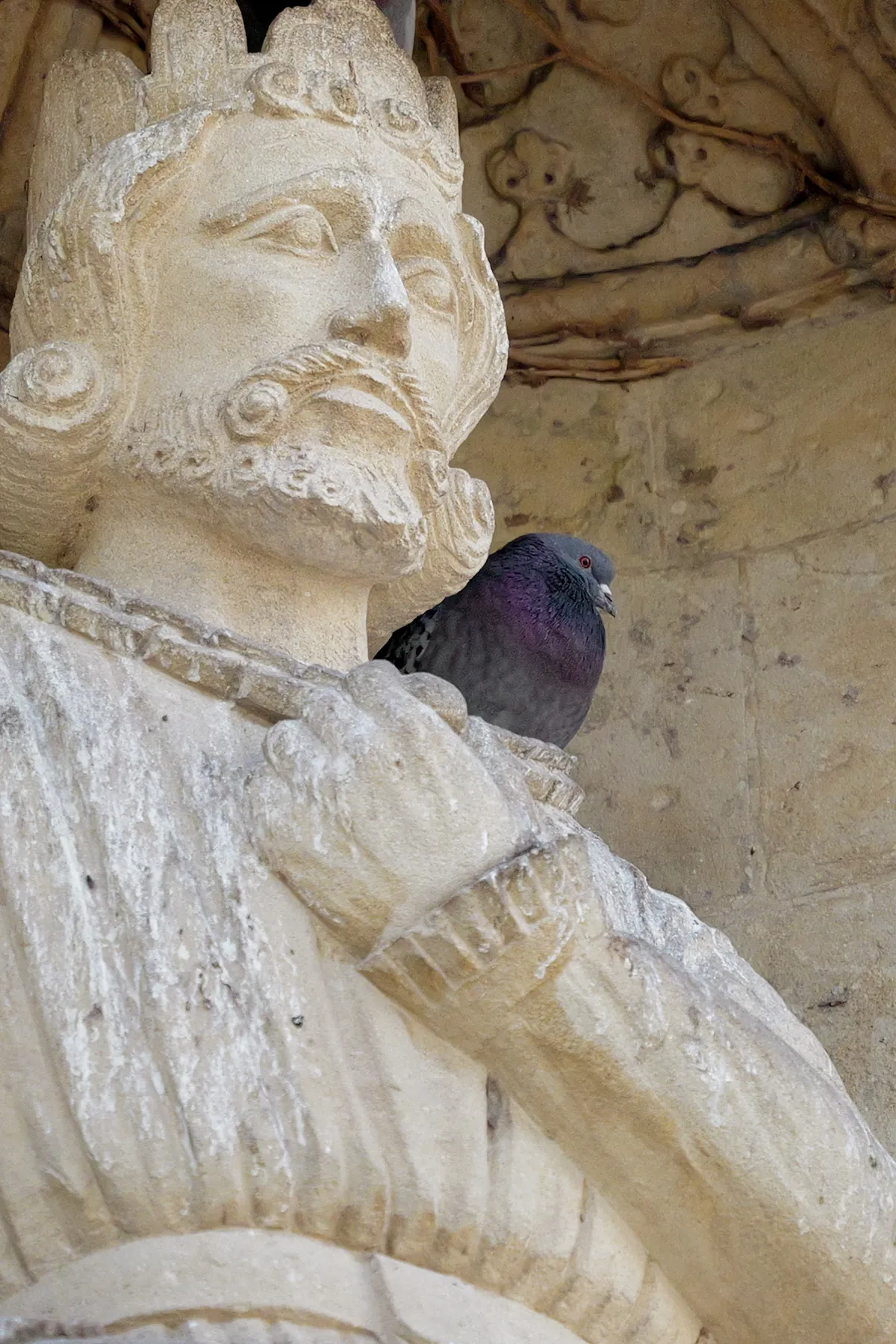


Alongside this, the SL3-S boasts an accurate and fast hybrid autofocus system which uses 315 contrast AF and 779 phase detection AF points to quickly lock on to animals/birds and humans. As someone who loves photographing wildlife and taking portraits of my partner, I thoroughly appreciated the SL3-S' autofocus. In the gallery above, it was quick to focus on the pigeons outdoors, and my partner in low-light conditions indoors.
The photo of my partner was shot in the Monochrome High Contrast color profile which has remained a constant favorite of mine every time I've tested a Leica camera. The portrait exudes drama and the inky blacks look stunning. Overall, the SL3-S is a brilliant and capable snapper, and the image quality doesn't give you much to complain about.
6K video is simply stunning
While the Leica SL3-S is a capable stills shooter, it's a video-first camera, which is what distinguishes it from the SL3. The SL3-S is capable of recording 6K video at 30fps, 4K at 60fps, and FHD at 120fps. There's also internal 5.8K ProRes capture, as well as 10-bit color depth, which means the camera is capable of capturing over a billion individual hues and shades.
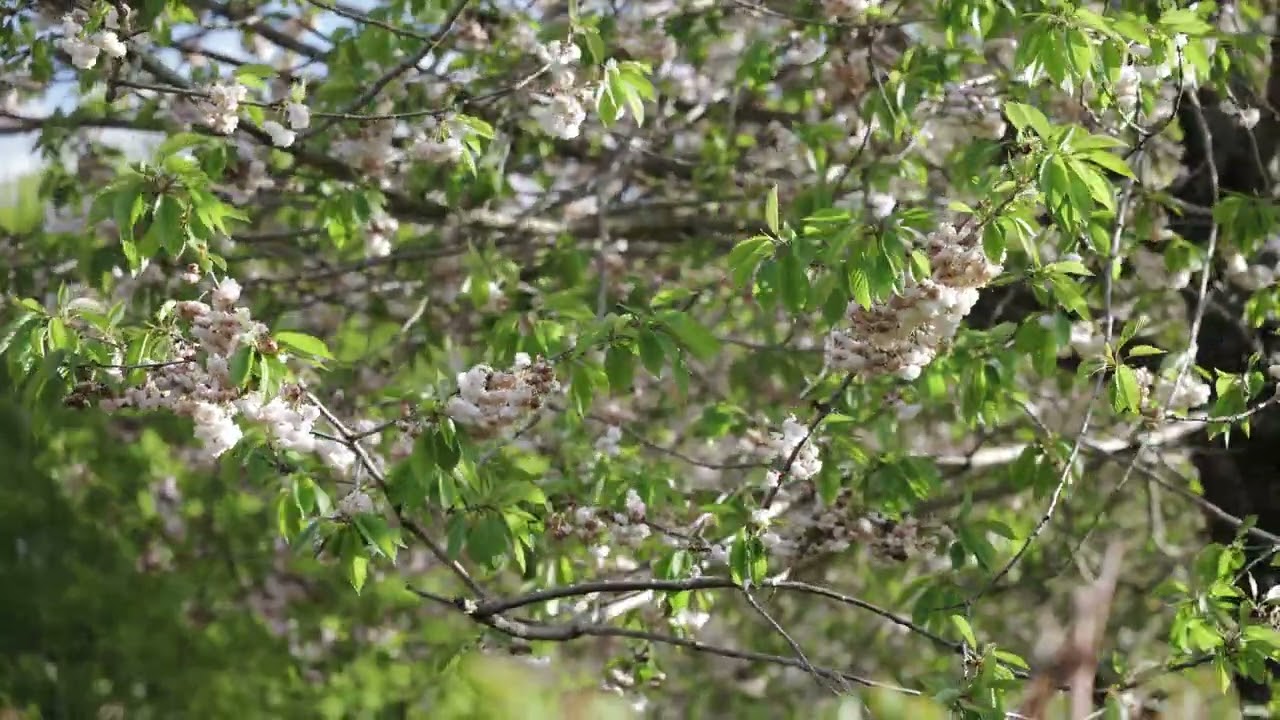
One of the SL3-S' biggest selling points is that it records Open Gate video in 6K, which means the camera is recording the entire sensor area (3:2), rather than cropping to 16:9. This gives you more freedom to reframe in post-production. Theoretically, it enables users to create 4K videos in both horizontal and vertical formats, fit for social and long-form video.
Video footage captured on the SL3-S is stupendously good-looking. I captured the footage above in 6K Open Gate and reframed it to 16:9 in post. As you can see, the movement of the flowers is smooth and fluid, the colors are gorgeous, and the clips have lovely background bokeh which looks pleasing to the eye. I relied on the monitor to shoot these clips, and I was able to see the screen even in direct sunlight.
Audio quality isn't too shabby either, with the sounds of birds tweeting and the breeze brushing against the leaves sounding clean. Wind buffeting is a slight problem so if you're serious about video work, I'd recommend hooking up one of the best microphones via the 3.5mm audio input jack.
What I don't like
Battery life remains Leica's biggest hurdle
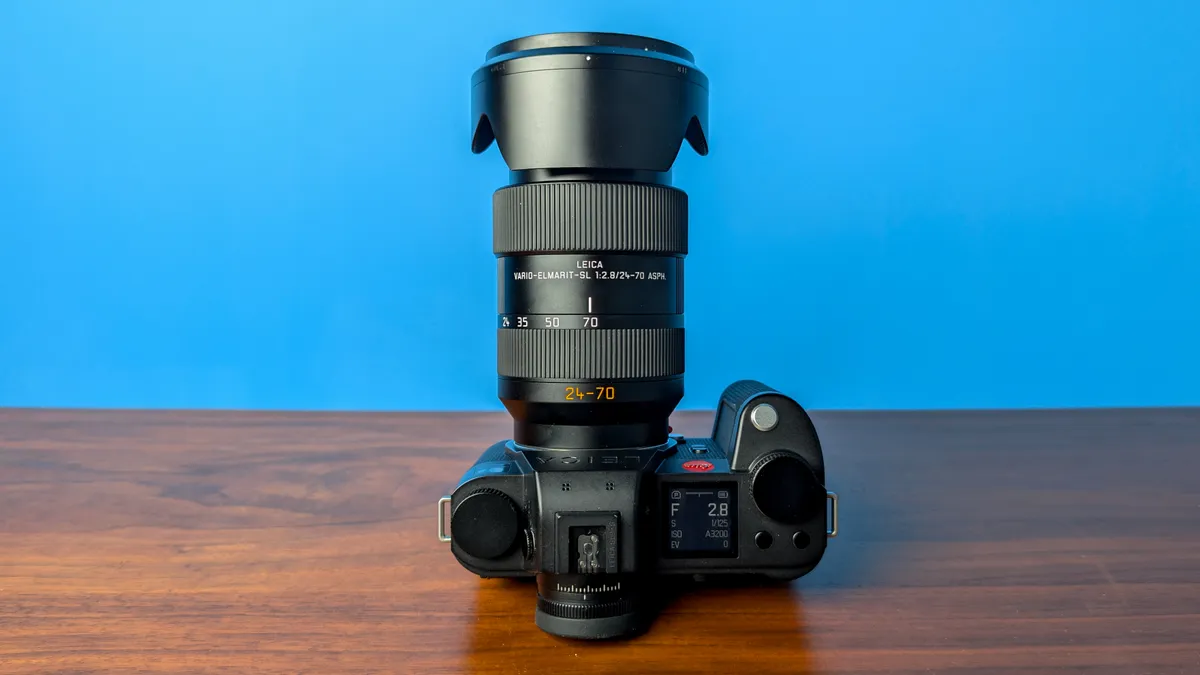
The Leica SL3-S, the Leica Q3 43, the Leica M EV1, and the Leica SL3 all have one thing in common — and it ain't the high price points. I've tested my fair share of Leica cameras, and one things that's been a common denominator amongst most of the models is the short battery life. If we're going based on CIPA ratings alone (done under strict testing conditions), Leica lags behind its rivals from Fujifilm, Sony and Canon.
For instance, the Q3 43 is CIPA-rated for 350 shots; the M EV1 for 244 shots; the SL3 for 260 shots; and the SL3-S for 315 shots. That's... not a lot. But like I said, CIPA battery tests are conducted under very strict conditions, so you'll probably get more shots in real-world use anyway, depending on the camera's settings. In my testing, I was able to achieve approximately 330 shots between charges — and I was shooting in JPEG and DNG, and utilizing both the viewfinder and the monitor for framing/previewing images.
Even though that's 15 shots more than the CIPA-rated battery life, it's still not great, and if you throw video into the mix, it might get even worse. That's why it's recommended to carry an additional BP-SCL6 ($240) battery pack. But that really shouldn't be a requirement, in my opinion, when you're already spending nearly $6,000 on a camera. If and when Leica decides to introduce a successor to the SL3 and the SL3-S, I hope there's a big bump to battery life. I'll stop complaining then.
Looking ahead...
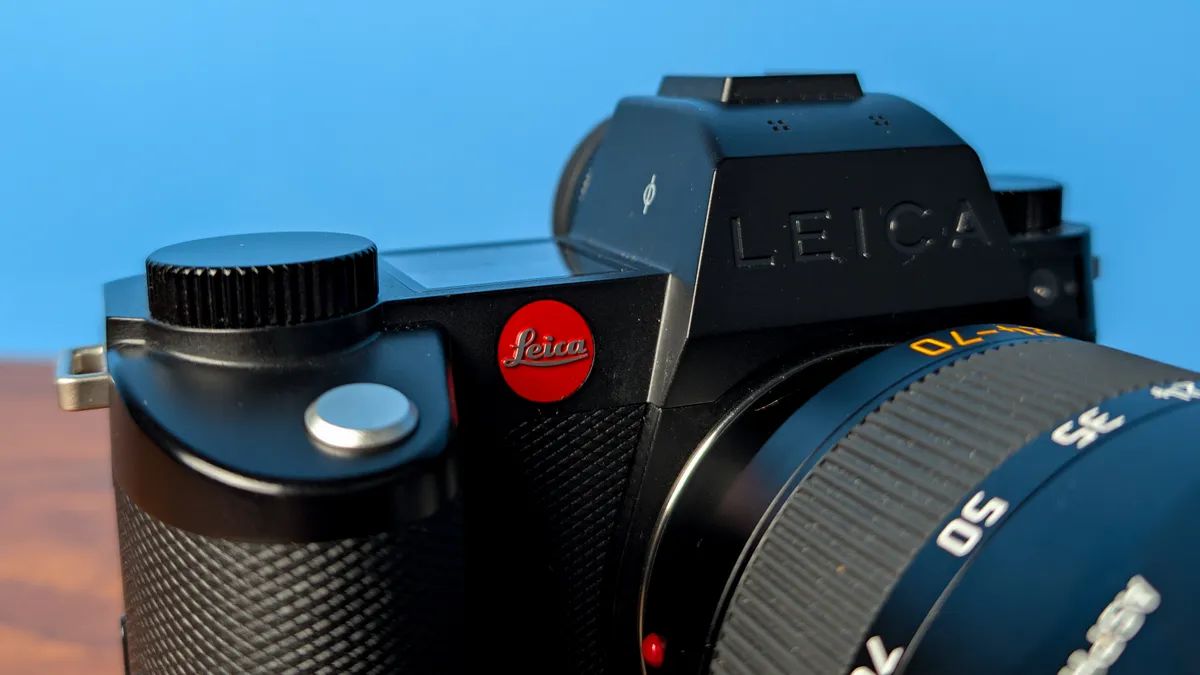
Although mediocre battery life remains a sticking point for the Leica SL3-S, it's something I'm willing to overlook because of everything else the camera offers. Just like the Leica SL3, its hybrid counterpart is a joy to handle. Buttons and dials are sensibly laid out and they never feel overwhelming. The stripped back menu is a pleasure to navigate as all the settings are easy to find.
But it's the SL3-S' video and photo capabilities that are its biggest sell. 6K Open Gate video means you're recording using the entire camera sensor area at 6K resolution, rather than cropping to 16:9. The video quality is drool-worthy, as are the 24MP images the SL3-S captures.
I've thoroughly enjoyed my time with the SL3-S, and though I'd personally prefer the SL3's 60.3MP sensor as a stills-first photographer, there really isn't much else I can complain about. And if you don't mind dropping to a lower-res sensor, the SL3-S comes in cheaper than the SL3 too, with the body retailing for $5,665 at B&H Photo / £4,489 at Clifton Cameras. If I win the lottery, I won't tell anyone, but there will be signs.

Follow Tom's Guide on Google News and add us as a preferred source to get our up-to-date news, analysis, and reviews in your feeds. Subscribe to Tom's Guide on YouTube and follow us on TikTok.
More from Tom's Guide
- I’ve been testing the Leica SL3 — here’s my honest verdict on whether it’s worth $7,500
- I’ve been testing the Leica SL3 — it’s the only camera that’s made me want to ditch my Fujifilm
- I tested and loved the controversial Leica M EV1, but I’d choose this 4.5-star camera instead