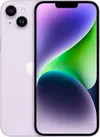
One of the best reasons to own an iPhone is to take advantage of all the best iPhone apps at your disposal. After all, if you spent several hundred dollars on one of the best iPhones, you want to be able to get the most out of it. It doesn't matter if it's the brand new iPhone 17, or something older like the iPhone 14. Having the right apps can make all the difference.
The only problem is that the App Store is approaching its 20th birthday, and has become home to an incalculable number of apps in that time. That means the task of finding the best iPhone apps to get the most out of your phone is not a simple task. In fact it can be pretty daunting to try and tackle that all by yourself. There are so many different categories, and your phone only has so much space to store everything. So which apps are actually worth the effort of installing?
We've explored the outer reaches of the App Store to do all that work for you, and uncover the best iPhone apps you can install right now. Our picks range across a bunch of different categories.

Best iPhone apps: Art & Creativity

While artistic endeavour may seem better suited for the iPad's ample display, your iPhone can still be used for all sorts of artistic endeavors. Stylus or not, there's little standing in the way of you and your own artistic creations with these apps installed on your device.
Best iPhone apps: Audiobooks & Reading

Reading on the go is easier than ever, but you don't need one of the best Kindles or some other dedicated e-reader to enjoy digital books and magazines when you're mobile. The iPhone's screen may not be quite as big, but Apple's phone is a perfectly suitable venue for catching up on a good read.
Plus, if you don't have time to sit and read the actual words there are plenty of options for audiobooks — meaning someone else can do the hard work for you.

Best iPhone apps: Dating

The internet has made dating so much easier — or worse depending on who you ask. Either way, you don't have to head down to a bar or social event to meet potential dates, because you can always go swiping on these apps. (Our look at the best dating apps takes a deeper dive into your options.)

Best iPhone apps: Driving & Navigation
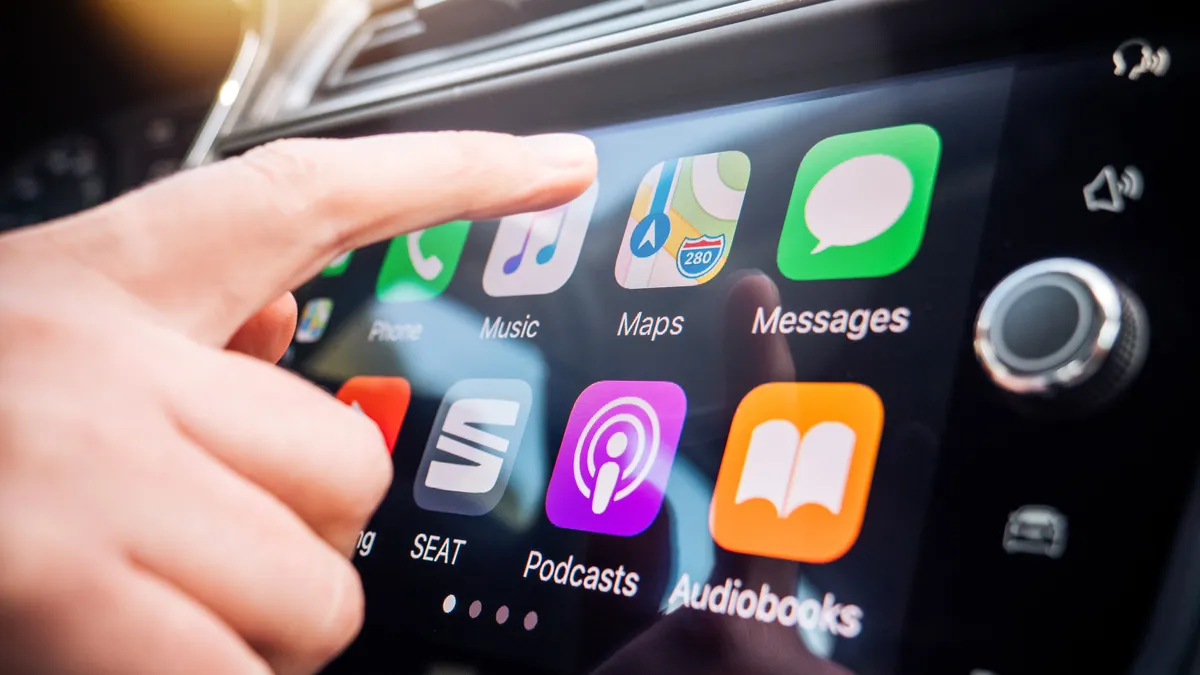
It's hard to believe people were able to drive anywhere before GPS or smartphones were around. But there's more to driving apps than preventing you from getting lost or finding obscure spots off the beaten path. These apps can help you find the cheapest gas, book parking spots or even find EV charging points anywhere you happen to be.
Best iPhone apps: Education
Phones and the internet can make a huge amount of knowledge available at the tap of an on-screen button. But you might still need a hand filtering out the noise and adding some structure to actually help you learn and remember new things. Enter the best educational apps.

Best iPhone apps: Food
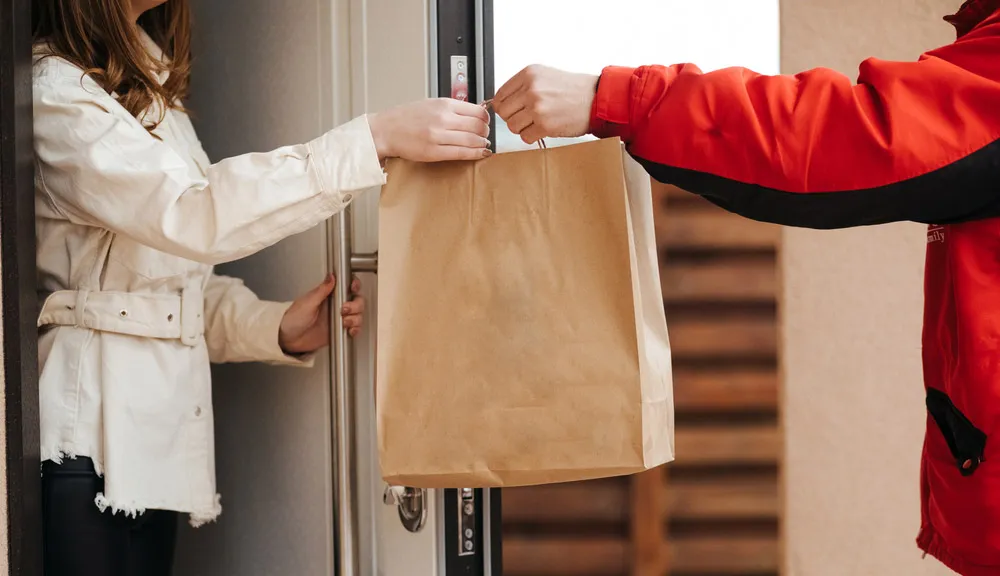
Whether you want to find new places to eat, or learn how to make it yourself, the App Store can make that easier than ever. There's no need for endless research or reading those excruciatingly long online recipes with these apps at your disposal..



Best iPhone apps: Health & Fitness
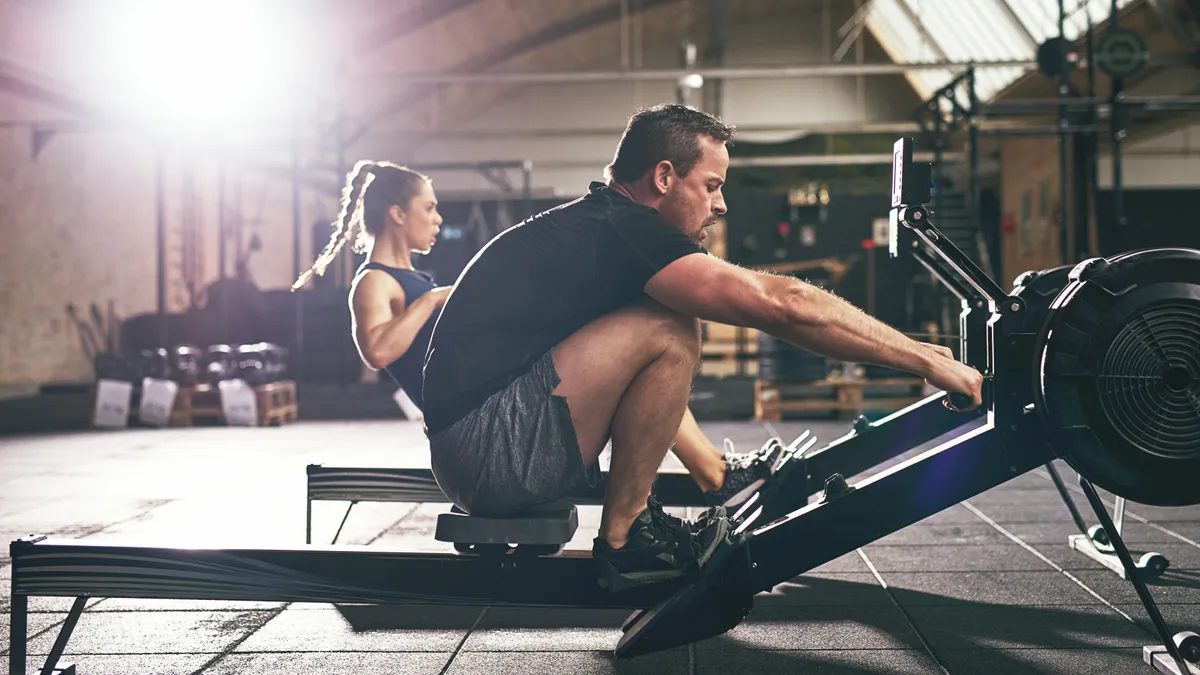
Combined with the best fitness trackers, countless apps aim to help you either get in shape or stay there. The problem is figuring out which app you want to use, because some of them aren't cheap. Here are our top picks.
Best iPhone apps: Gaming

Apple would have you believe that the iPhone can replace a gaming PC or console. That may be debatable, but it's clear your phone can serve as a useful accessory to whatever gaming devices you have already. Whether you're into consoles, desktops or handhelds, it'll help to have some of these apps available to you.


Best iPhone apps: Messaging
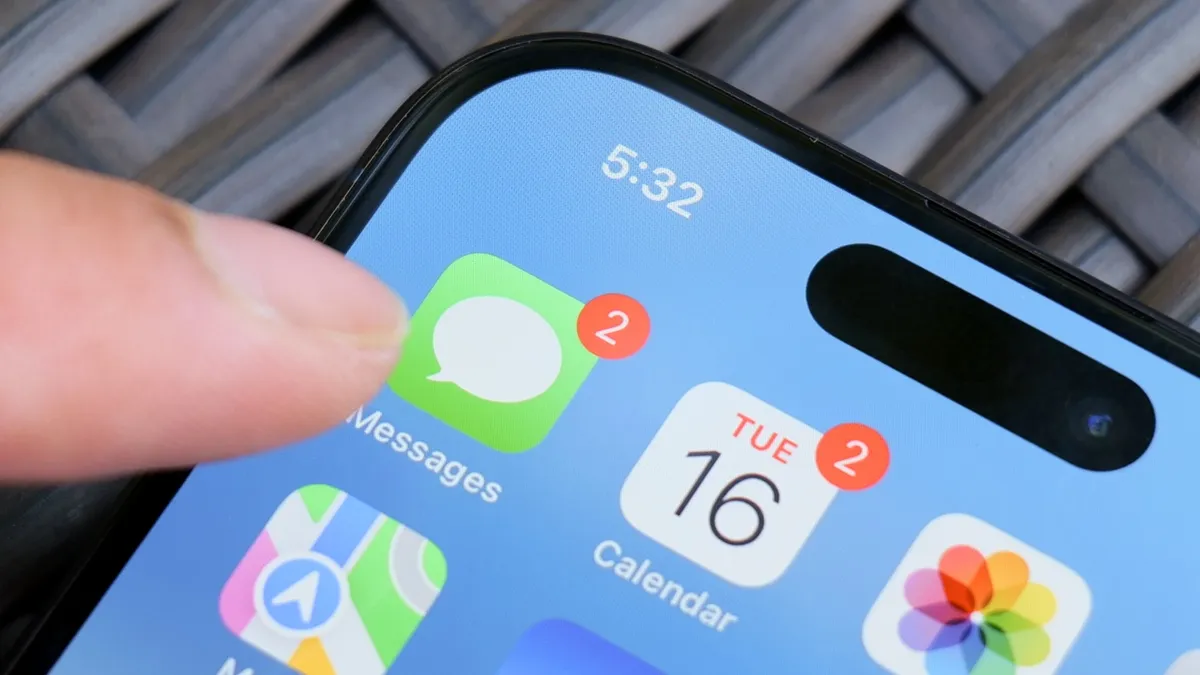
iMessage is great, but Apple's messaging platform is not your only option. There are plenty of other ways to stay in touch with friends and family over the internet — and these apps can help make that happen.

Best iPhone apps: Money & Finance

You don't need to be an accounting genius to keep tabs on your money and spending, but technology can make that job a whole lot easier. Whether you need to send money to friends, keep track of what funds are in which account, or you just want to do some investing, these best money apps can get you sorted out.



Best iPhone apps: Music

Apple products have been synonymous with music since the days of the original iPod, and very little has changed in ensuing two decades. In fact, things have gotten a lot better, because there's even more music available at more affordable prices — and these music apps can help you find it all.
Best iPhone apps: Photography & Editing
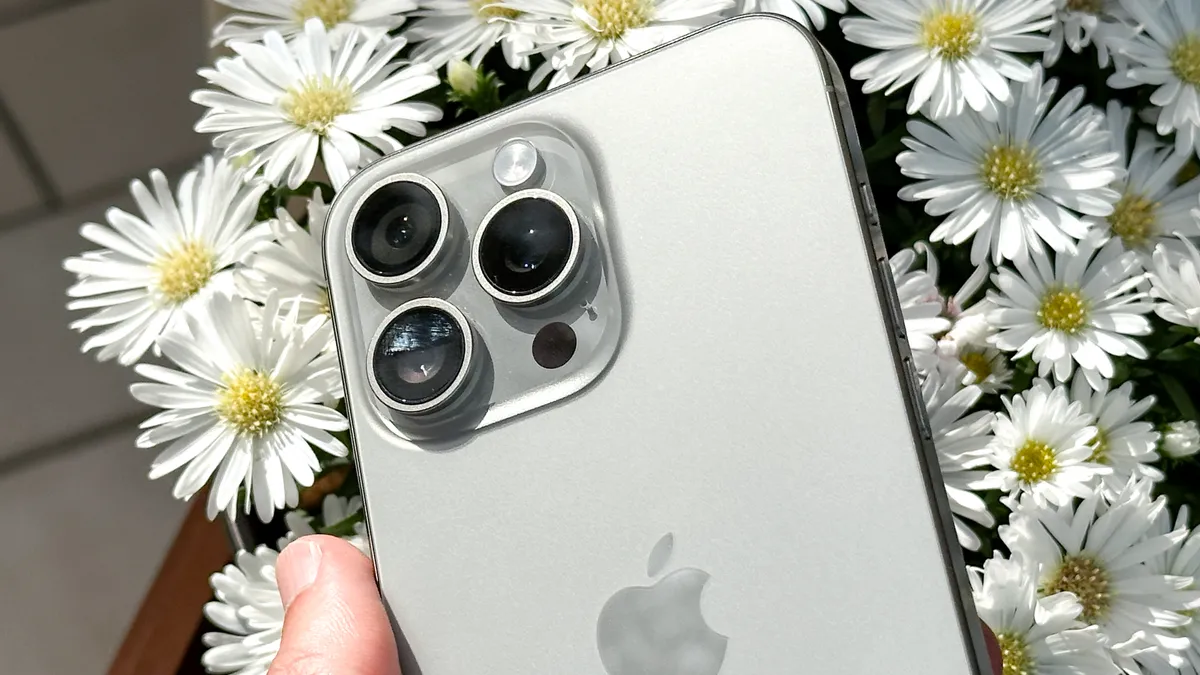
iPhone cameras and the built-in Photos app on your phone have a lot of great tools and features, but sometimes that isn't enough. Thankfully, app developers have seen almost every possible use case, and offer something to make your photo edits happen. So if you're into photography, videography and editing, be sure to check these tools out.
Best iPhone apps: Podcasts & Radio
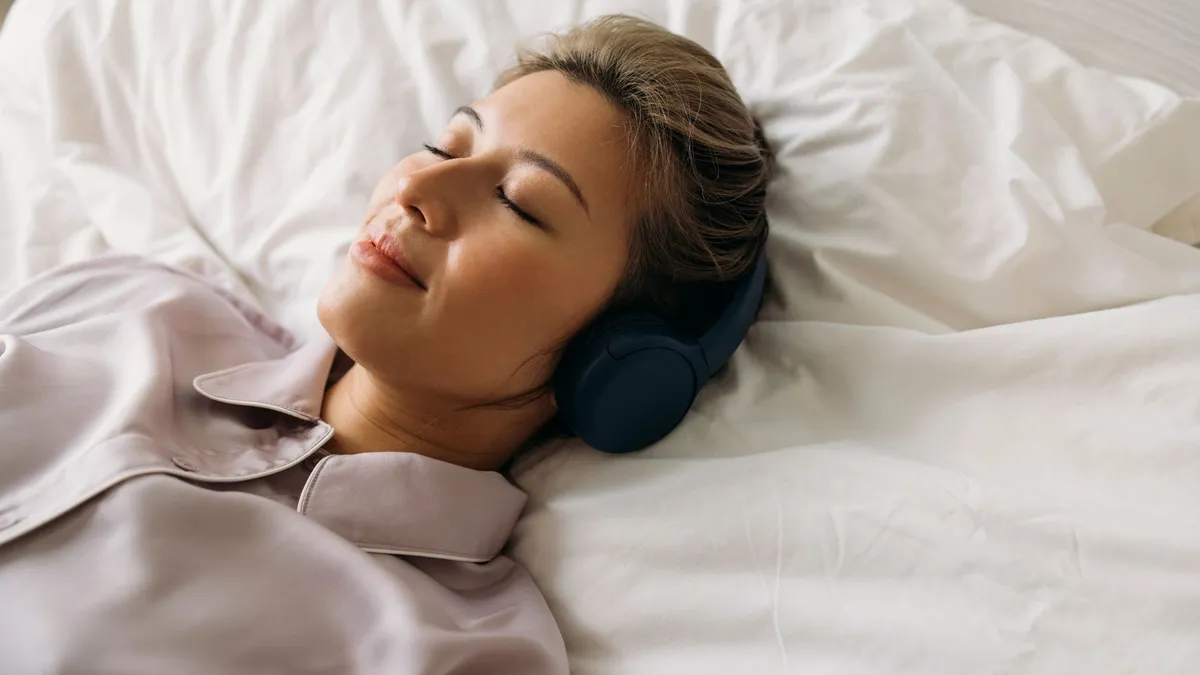
Whether you're driving, working or otherwise occupied, it doesn't mean you can't have something interesting on in the background. Fortunately, finding something to listen to is easier than ever, thanks to these top apps for podcasts and streaming whatever's on the radio.

Best iPhone apps: Ride Sharing

Getting from place to place is a breeze when you can summon a car to your exact location and have someone drive you there. It doesn't matter where you need to go or why, these ride-sharing apps can get you a car and where you need to go right away.
Best iPhone apps: Security
The internet can be a dangerous place if you're not careful, but constant vigilance can be exhausting. So make sure your iPhone is as well protected as it possibly can be with the App's Store top security-focused options. That way, it doesn't matter quite so much if you make a minor slip-up.
Best iPhone apps: Shopping
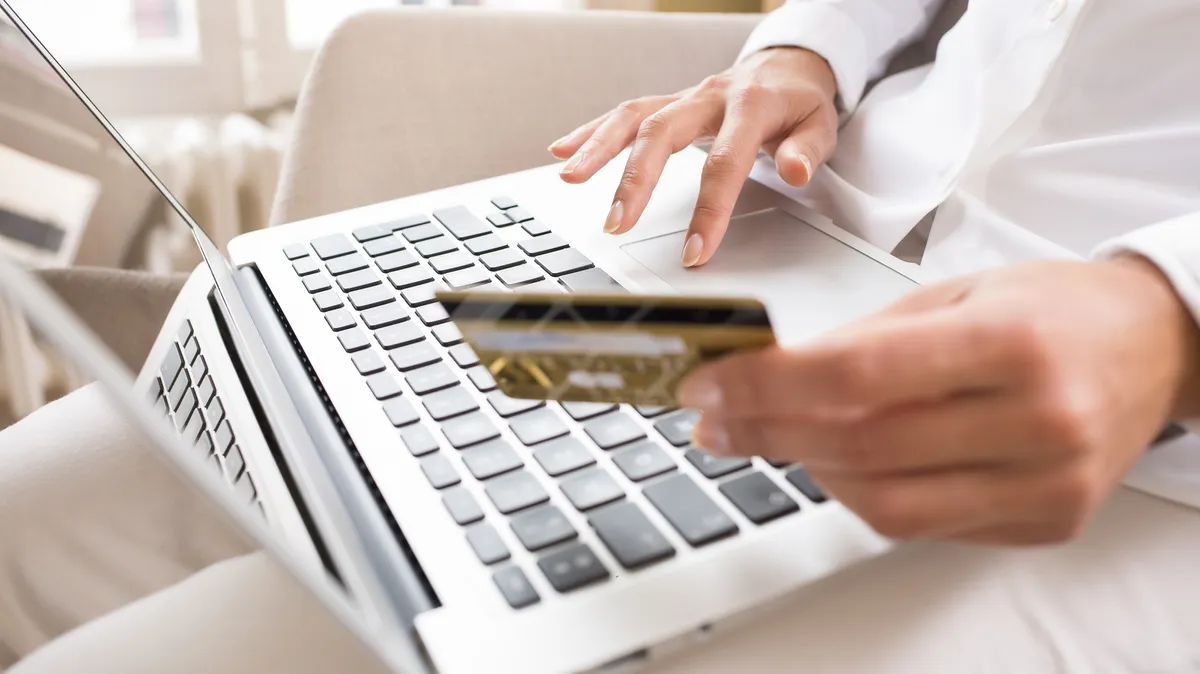
Shopping has never been easier thanks to the internet, and the best shopping apps ensure that you can browse and purchase whatever you need without resorting to mobile sites. Let's face it — the apps are often cleaner, easier to use and don't ask you to log back in every time you need to order some detergent.



Best iPhone apps: Streaming

Watching movies and TV shows has never been easier, thanks to having an iPhone and the best streaming services around. Whether you're looking for prestige TV, trashy reality shows, the latest content from your favorite creators or simply something to pass the time, these are the best streaming apps you can download.

Best iPhone apps: Travel
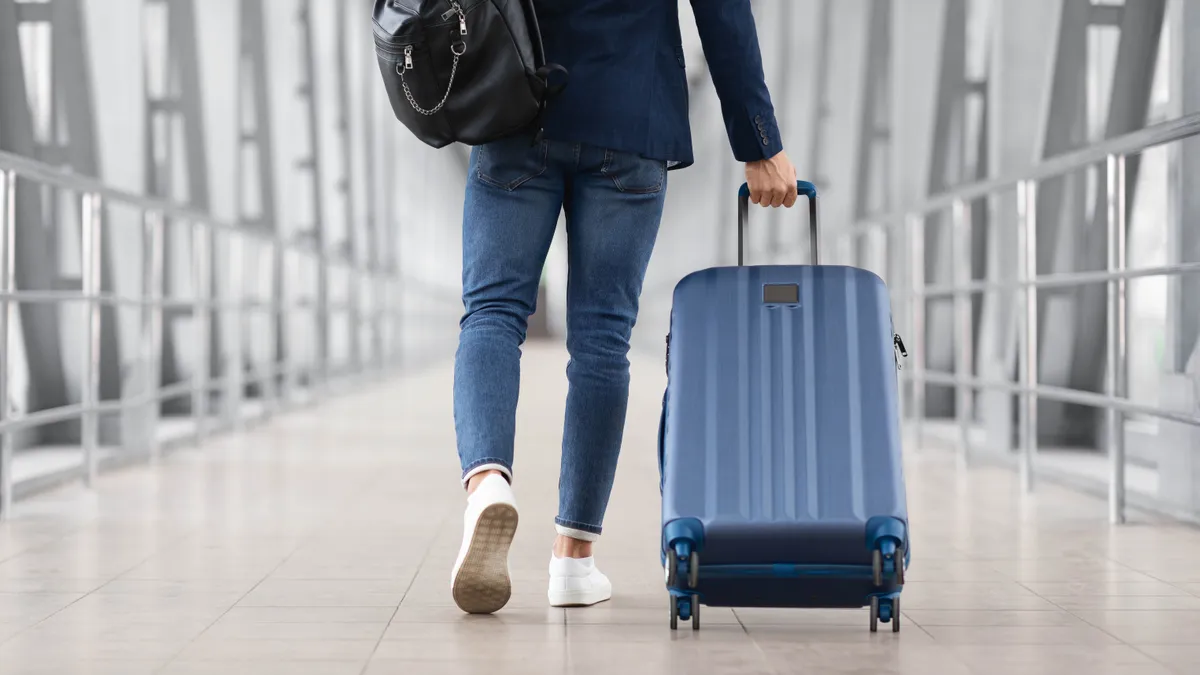
Travelling can be equal parts scary and exciting, but a good travel app can do something to reduce the scary part. With the right app on your phone, you can find a place to stay, track down things to do and even communicate with another person in a completely different language.
Best iPhone apps: Utilities
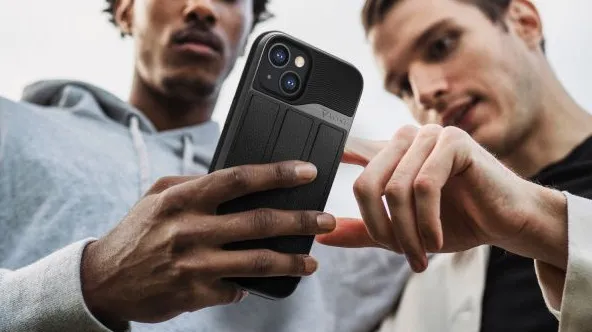
One of the best things about having an iPhone — or any smartphone for that matter — are all the extra things you can do to make your life easier. Whether you're looking to help organize your daily routine or make it easier to actually do things on your phone, here are the best utility apps to get things done.


Best iPhone apps: Weather

Your iPhone includes a built-in weather app that can cover all the basics, plus a little extra, and is generally quite good at its job. But if you're looking for something a little different or a weather app that's a little more feature-rich, there are plenty of extra options on the App Store. Here are our favorites.
More from Tom's Guide
- iOS 26 guide: All the new features for your iPhone and how to use them
- I've been using the iPhone 17 for a month — here's my pros and cons
- iPhone 17 battery life results are in — how do the new iPhones compare to other flagships?