Tom's Guide Verdict
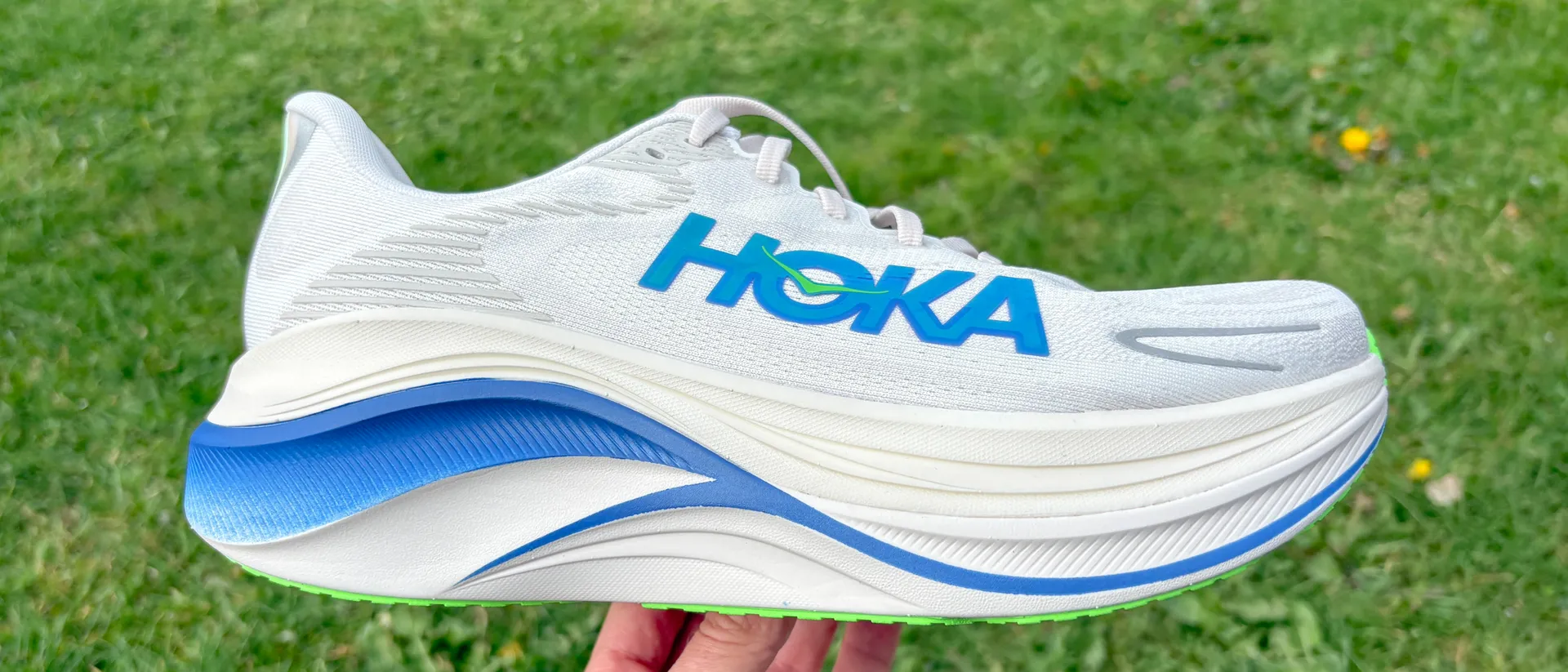
The Hoka Skyward X 2 is a very good running shoe, offering a comfortable and fun ride for easy and long training runs. Its problem is that it’s priced like a super-trainer and lacks the versatility to justify that price when equally good cushioned shoes are available for a lot less, like the Nike Vomer Plus.
Reasons to buy
- +
Very comfortable
- +
Bouncy midsole design
- +
Improved upper
Reasons to avoid
- -
More expensive than alternatives
- -
Not a great option for faster runs
Why you can trust Tom's Guide Our writers and editors spend hours analyzing and reviewing products, services, and apps to help find what's best for you. Find out more about how we test, analyze, and rate.
The Hoka Skyward X 2 has the price and plate of a super-trainer, but unlike most shoes in this category it’s not built to excel at all kinds of runs, but instead offer a supremely comfortable and fun ride for easy daily training, especially long runs.
It's one of the best running shoes for this job. I loved cruising around in the Hoka Skyward X 2 thanks to its comfortable and bouncy design, but it’s a bit limited overall given the high price.
There are cushioned shoes that do the same job as well for a lot less than the $225 the Skyward X 2 will cost you, like the Nike Vomero Plus. If you’re spending that much, I’d probably divert your funds into a more versatile super-trainer like the Asics Superblast 3 or Asics Megablast.
Hoka Skyward X 2 review: Price and availability
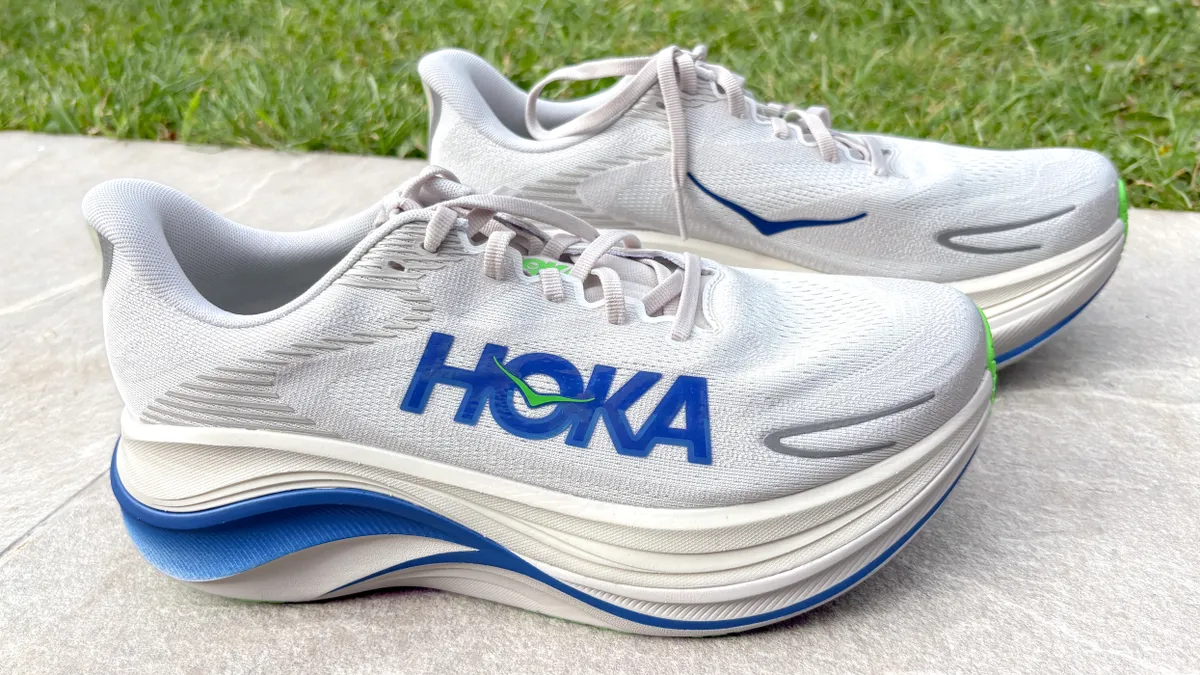
The Hoka Skyward X 2 is set to launch in mid-May 2026 and will cost $225 in the U.S. and £195 in the U.K., a high price that puts it in line with the most expensive non-racing shoes on the market, like the Asics Megablast and Superblast 3.
Hoka has several more affordable options in its line-up, including the Hoka Mach X3 plated trainer, and the Hoka Bondi 9 and Hoka Clifton 10 cushioned shoes.
Hoka Skyward X 2 review: Design and fit
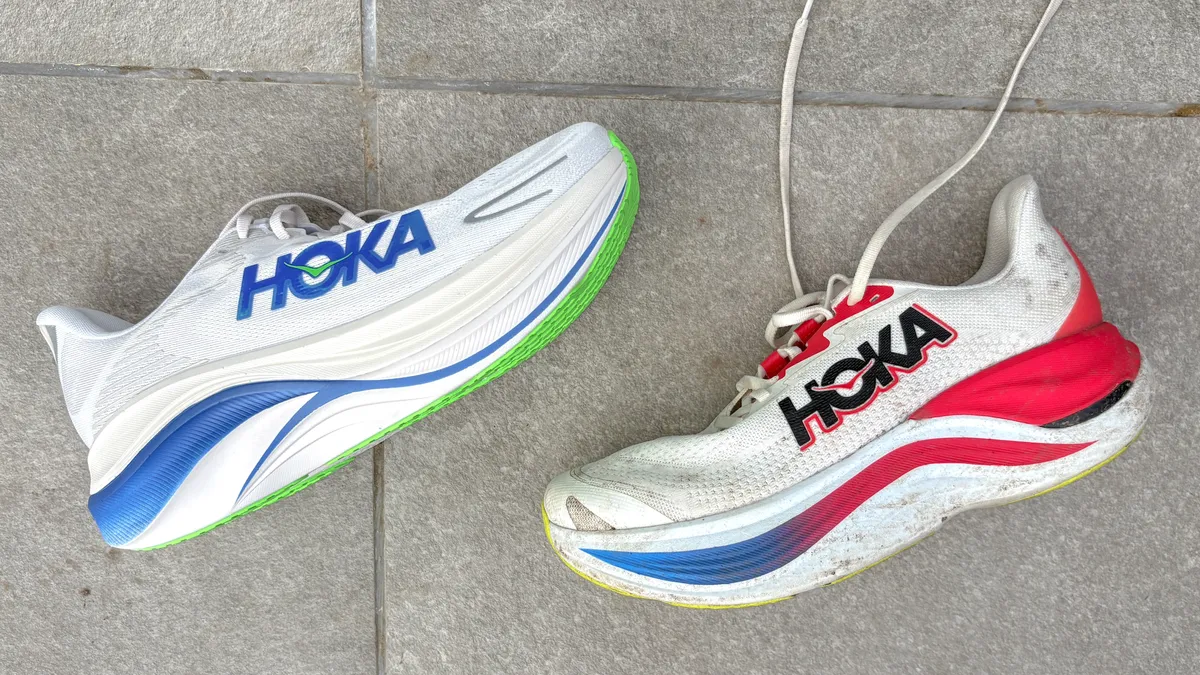
The Skyward X 2 is set to launch in two colors for the men’s shoe and two for the women’s, including the white and blue design I tested.
I found it fit me well in my normal running shoe size, and there will be a wide version of the shoe available for those who find Hoka’s standard fit a bit too narrow, a common complaint with the brand’s shoes.
The Skyward X 2 has been trimmed down a little compared with the previous model, in terms of stack height and weight. It’s still a very cushioned shoe with a 5mm drop, but now weighs 10.4oz in my US men’s size 9.5, a drop of 0.9oz on the original Hoka Skyward X.
Upper
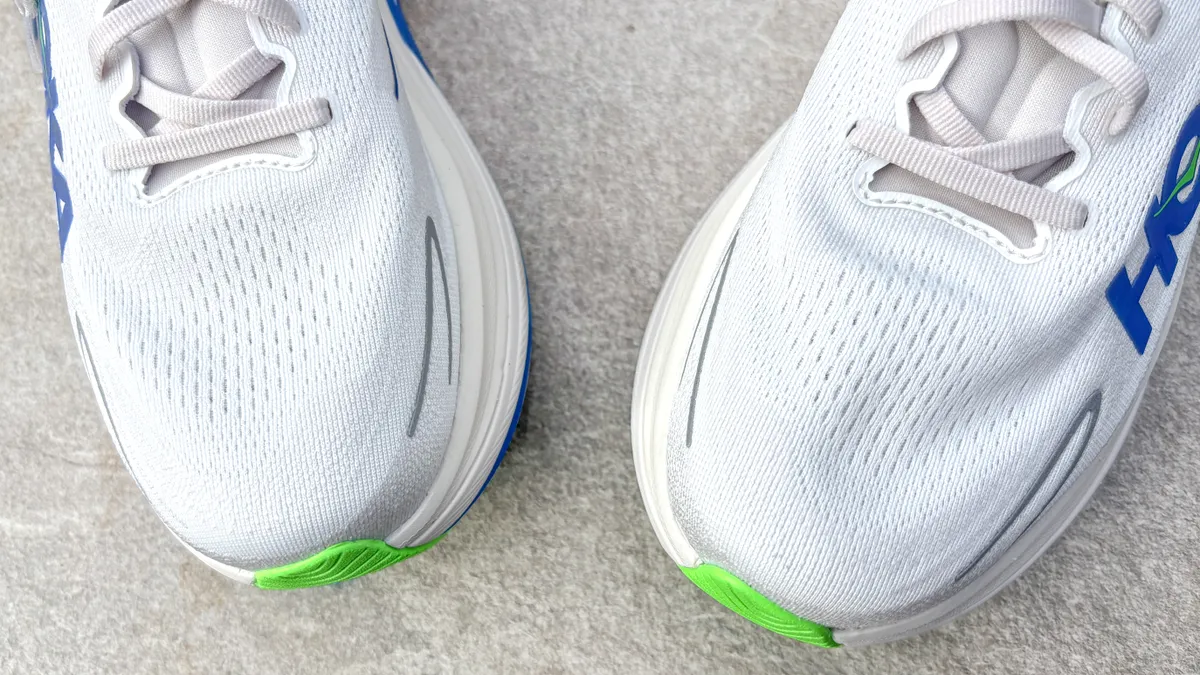
The Skyward X 2 has a new upper made from a jacquard mesh. It’s less padded on the tongue and more breathable than the upper on the original shoe, but still provides a comfortable step-in feel thanks to the padding around the heel collar.
I had no concerns with the upper throughout my testing. It was comfortable and held my foot securely on all my runs.
Midsole
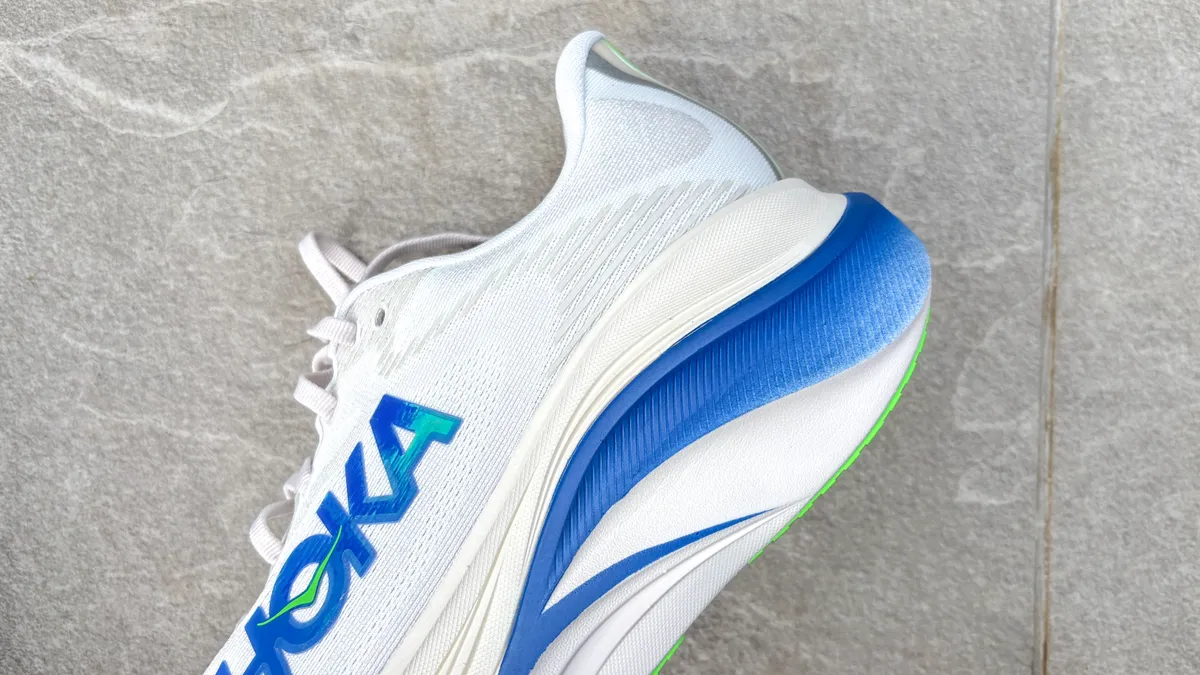
The Skyward X 2 might have a little less foam in its midsole than its predecessor, but it’s still a very cushioned shoe with two types of foam and a carbon plate midsole.
On top is Hoka’s bouncy PEBA foam to bring the fun, while the bottom layer is made from a firmer supercritical EVA foam to add stability.
In between is a slotted carbon plate to add structure to the midsole without feeling as firm and stiff as the full plates you find on carbon shoes designed primarily for speed.
Outsole
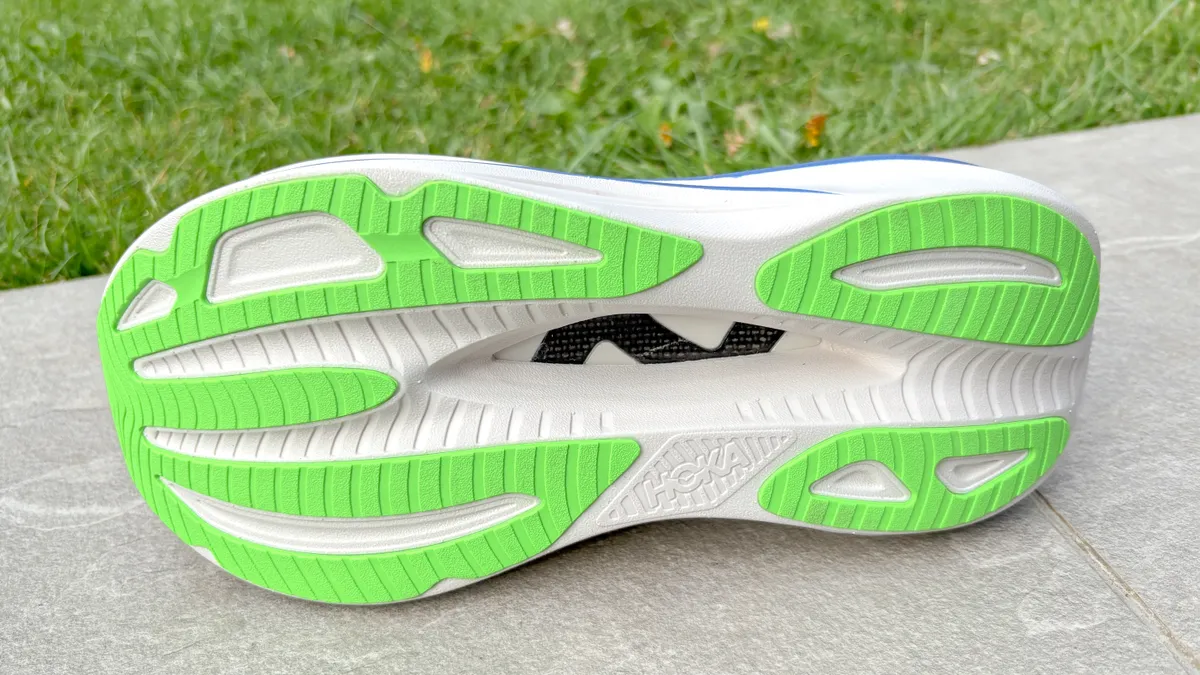
There are two types of rubber used on the bottom of the Skyward X 2, with a sticky rubber used in the forefoot and a durabrasion rubber at the heel.
In my testing the shoe gripped well in all conditions, and while you don’t have full rubber coverage on the bottom of the shoe, I’ve seen no signs of wear and tear so far.
Hoka Skyward X 2 review: Running performance
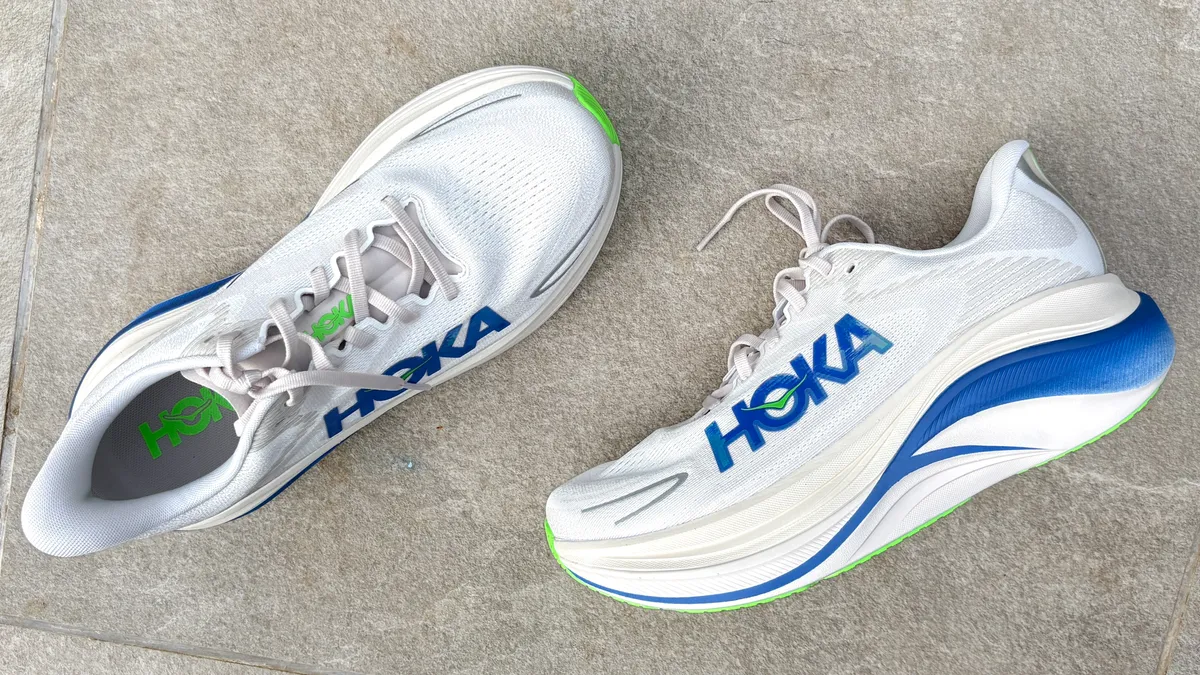
The Skyward X 2 landed on my doorstop in the latter stages of my training for the London Marathon and became my main daily training for all my easy and steady runs.
It retains the bouncy, fun ride of the original model of the shoe, while being lighter and leaner, which I found makes it easier to tick along at easy, steady paces without noticing the shoe as much.
For such a high-stack shoe, I also found it stable, even when running on slightly uneven trails. It’s not a stability shoe, but it’s more supportive than a shoe like the Hoka Mach X3, another plated trainer that’s built more for speed.
I did several easy-to-steady progression runs in the shoe and found that it coped with a range of daily training speeds well, offering comfort and a smooth, bouncy ride, but it felt a bit cumbersome when pushing to faster paces.
This isn’t generally a huge weakness in a cushioned shoe designed for comfort, but for me, it’s a problem when you’re spending so much money on a so-called super-trainer.
The Skyward X 2 is comfortable and great for logging easy miles, but lacks the versatility of rivals like the Asics Superblast 3, and I think you’d need deep pockets to justify spending so much.
Should you buy the Hoka Skyward X 2?
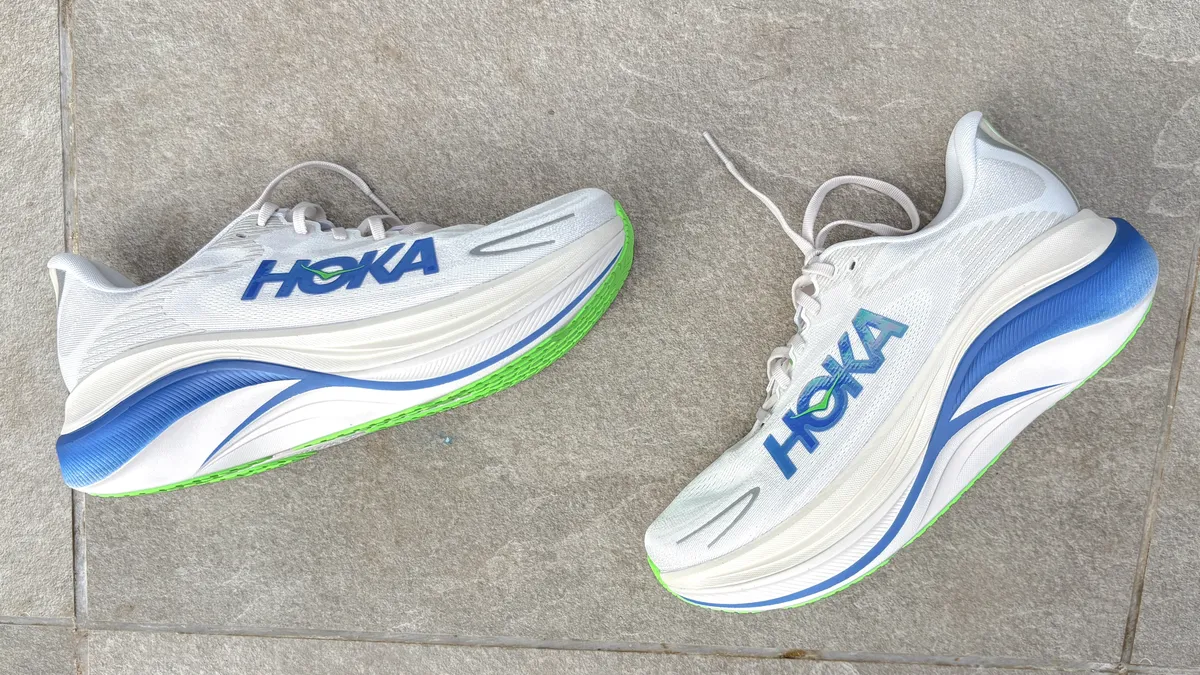
If you’re all about cushioning and comfort on the run, the Hoka Skyward X 2 delivers, but I’d look at cheaper shoes first, like the Nike Vomero Plus and Kiprun Kipride Max, both of which I found equally enjoyable for easy daily training.
More versatile super-trainers include the Asics Megablast, Asics Superblast 3 and Hoka Mach X3, which are lighter and faster than the Skyward X 2 while still being good for easy runs, though not quite as stable.
If you have a big running shoe rotation and the budget to pick up a plated trainer purely for long, easy runs, then the Skyward X 2 is one of the best you could get, but it won’t be the value buy for most runners.