You might not notice your walking shoes are picking up wear and tear, but there will be hidden signs to watch for. Physical therapist Molly Ruecker says there are signs your posture may affect even the best walking shoes, and she gives a few practical tips to improve posture while you walk.
Below, she highlights what to look for and simple ways you can make tweaks to your posture during your walks. Here are two major signs your shoes are taking a hit, plus an eight-step, 28-minute walking workout to try anywhere.
Your posture is affecting your walking shoes — here’s how

Ruecker is a physical therapist at WalkFit, and she explains that how you walk can impact how quickly you wear out your walking shoes.
“The way you walk doesn’t just impact your body, it also affects your shoes,” says Ruecker. “Poor posture or an imbalanced gait can create uneven pressure on your footwear, causing them to wear out faster and unevenly. Over time, this can reduce comfort, support and even lead to foot or joint pain.”
Here are two major signs to look for and tips for improving posture with a 28-minute walking workout routine.
1. Uneven wear on the soles
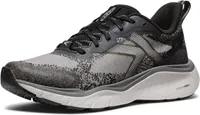
“If your shoes are wearing more on the inside or outside edge, it’s a clear sign your gait is off,” says Ruecker. This can happen if your hips are misaligned, or your feet roll inward or outward, which places stress on one side of your shoe.
Leaving this unaddressed when you walk can make things worse because you’ll naturally (and possibly subconsciously) compensate for the imbalance, leading to longer-term issues with posture. Gait analysis is an accessible way to address this and help you figure out potential misalignment or gait issues.
2. Heel and arch damage
According to Ruecker, posture impacts how you step as you walk. “Flat feet or weak arches can cause the middle of the shoe to collapse, while high arches put pressure on the heel and ball of the foot,” she explains. “Both can lead to impacting your shoe’s cushioning and structure.”
If you notice wear and tear on the inner or outer edges of your shoes, or damage to the middle of the walking shoe that might also be damaging the structure or cushioning, Ruecker recommends a few tips to improve your walking posture during your next walking routine. It only takes 28 minutes.
8-step 28-minute walking routine for better posture
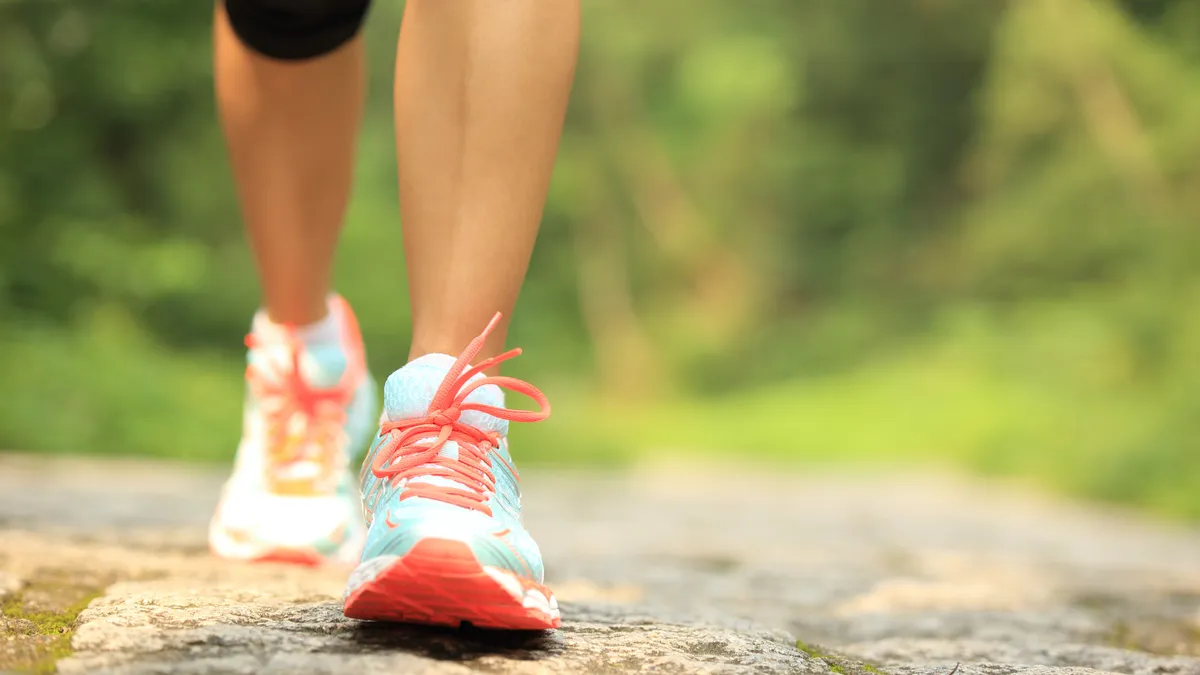
“If your shoes are wearing unevenly, it’s often a sign your walking posture needs adjusting,” she warns. “Left uncorrected, poor walking mechanics can wear down your footwear faster and increase the risk of foot, knee and hip strain. The good news if you suffer with this? A simple, structured walking routine can help redistribute pressure, improve posture and protect your gear.”
- Warm-up (up to 3 minutes): Ruecker recommends a warm-up at an easy and comfortable pace. Stand tall, relax your shoulders and breathe deeply and slowly so that you can ease into your walk.
- Gentle progression (3-6 minutes): Next, Ruecker says to “increase your pace slightly and start a natural arm swing in time with your steps. Keep breathing steady and posture upright.”
- Introduce heel-to-toe walking (6-9 minutes): This will help your foot-ground connection and teach you how to step. “Step forward, landing on your heel, roll through the foot to your toes and push off,” she guides. “Avoid over-striding. Engage your core and maintain a tall, balanced stance to reduce uneven pressure on your shoes.”
- Recovery (9-12 minutes): “Slow your pace slightly while maintaining good posture and relaxed shoulders. Focus on smooth, even breathing to recover without stopping.”
- Steady walk, moderate effort ( 12-18 minutes): Ruecker encourages you to “pick up a steady, rhythmic pace. Swing your arms naturally and maintain consistent foot placement.” Walking over “varied terrain” like grass, pavement, or hilly trails will help you “engage different muscles safely,” says Ruecker, and will add some gentle challenge to your walks.
- Recovery (18-21 minutes): “Ease your pace again, concentrating on balance, posture and even foot placement.”
- Short power walk segment (21-26 minutes): Power walking can boost aerobic fitness and kickstart the metabolism, but it’s also a good way to test what you’ve learned so far. “Pick up a comfortable, brisk pace,” Ruecker says. “Continue heel-to-toe rolling, keep your chest lifted, core engaged and arms swinging lightly to support efficient movement.”
- Cool-down (26-28 minutes): Finally, Ruecker says to “gradually slow your pace to bring your heart rate down,” and to “maintain upright posture, relax your shoulders and arms, and finish with deep, controlled breathing.”
Bottom line
“The right footwear doesn’t just provide comfort, it plays a critical role in supporting posture and distributing pressure evenly across the foot. Shoes that don’t match your foot type or walking style can force your body to compensate, placing extra strain on the feet, knees, hips and lower back,” Ruecker warns.
Try to choose which walking shoes you need based on your feet — your arches, and gait style — and the terrain you plan to walk. If you need a pair of walking shoes for wandering your city, your needs will differ compared to hiking in nature. Walking shoes and hiking shoes are not exactly the same, so take the time to learn about your feet and the types of routes you enjoy.
If in doubt? Ask a professional!
Footwear that fits properly can absorb shock and help stabilize your feet, improving the efficiency of your movement. “This reduces uneven loading through the sole, which is a common cause of premature wear,” says Ruecker.
“When shoes provide the right level of cushioning, support and structure, they protect joints, improve balance and help footwear last longer, reducing the risk of discomfort and overuse injuries.”

Molly is a board-certified sports physiotherapist, certified athletic trainer and strength and conditioning specialist. She earned her bachelor’s degree in athletic training and a doctorate in physiotherapy. Molly gained experience in clinics, professional football and military special operations human performance; she specializes in personalized, functional programmes for clients.

Follow Tom's Guide on Google News and add us as a preferred source to get our up-to-date news, analysis, and reviews in your feeds.