
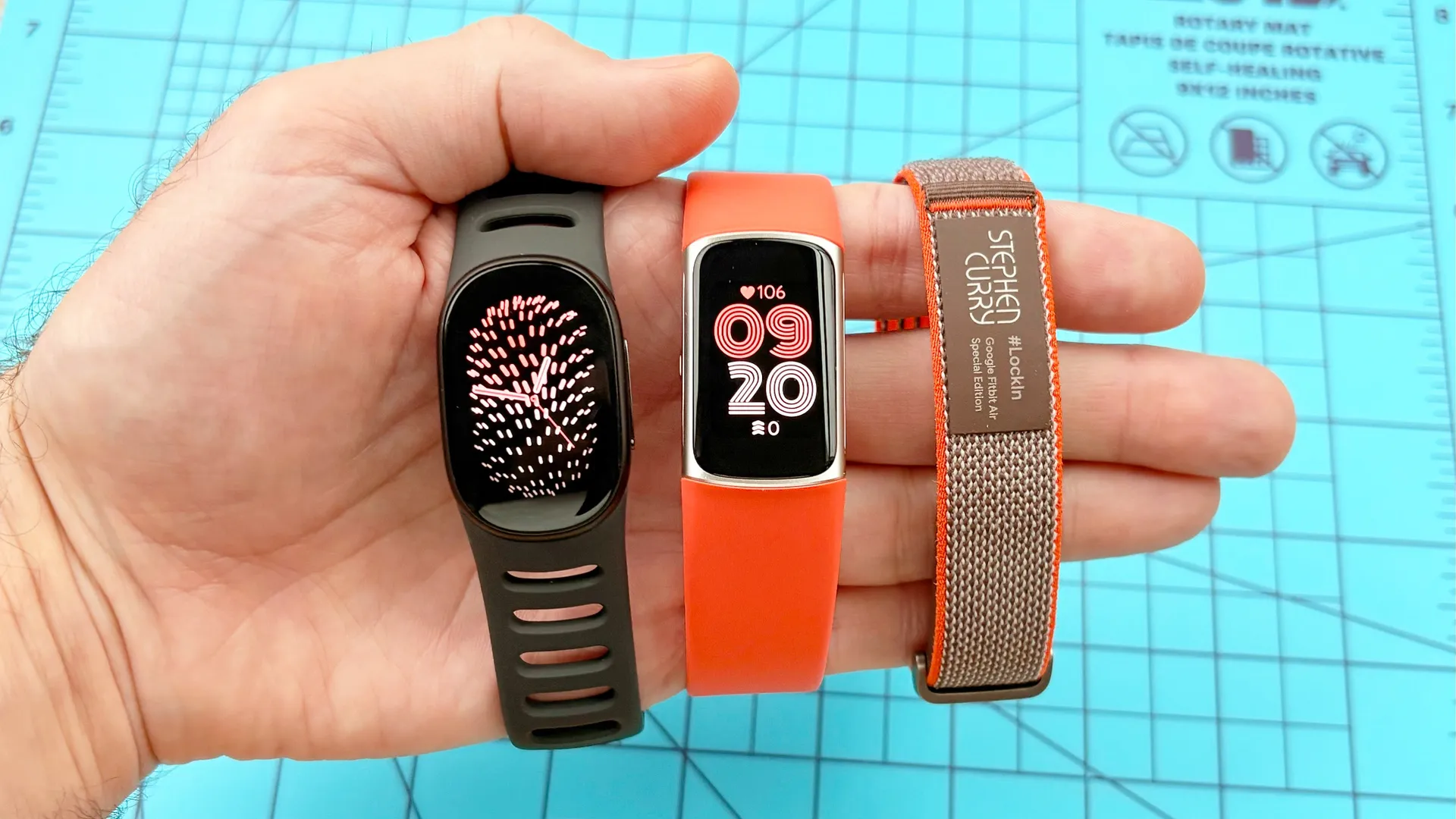
This holiday season, you're likely to see deals galore on a range of Fitbit models, including the popular Fitbit Air, Fitbit Edge, and Fitbit Charge 6,
These are easily three of the best fitness trackers you can buy. But how do you choose between them?
That's where I come in. Hi, I'm Dan, and I lead TG's wearable tech coverage. More importantly, I'm fresh off reviewing the Fitbit Edge and Fitbit Air, and have worn/tested the Fitbit Charge 6 extensively.
I already covered the Fitbit Air vs. Fitbit Charge 6 and Fitbit Edge vs. Fitbit Charge 6, while my colleague Jane went in depth on the Fitbit Edge vs. Fitbit Air.
Now let's compare all three across six major categories, including cost, design, display, fitness tracking, health and safety features, and battery life. And at the end, I'll tell you which one I'd spend my hard-earned cash on.
Fitbit Edge vs Fitbit Air vs Fitbit Charge 6: Cost
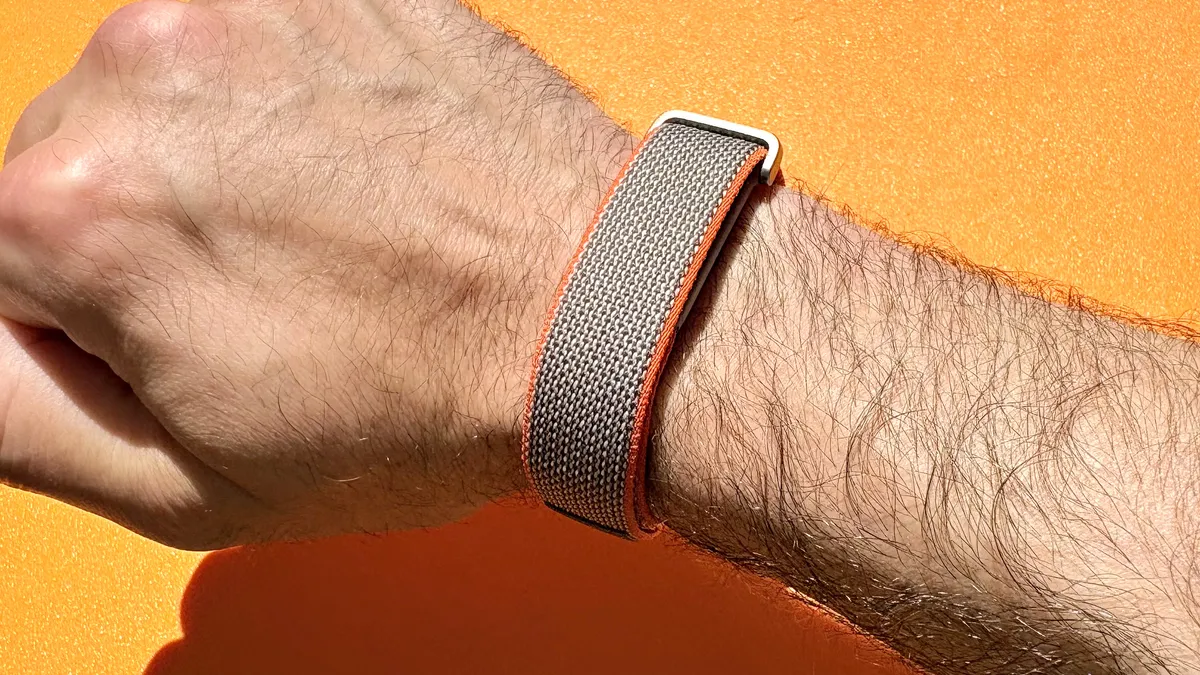
The Fitbit Air is the most affordable of the three, with a starting price of just $99. Meanwhile, the Fitbit Charge 6 retails for $159, and the Fitbit Edge is $179. However, these prices don't tell the whole story.
While the Fitbit Edge and Air are new for 2026, the Fitbit Charge 6 is from 2023. This means it's far more likely to see a hefty discount at any given time than its siblings, especially this holiday season. For example, Amazon has the Charge 6 for $122 right now, but I wouldn't be surprised to see it drop to $99 or less in the coming weeks.
Winner: Fitbit Air or Fitbit Charge 6 (if it's on sale)
Fitbit Edge vs Fitbit Air vs Fitbit Charge 6: Design
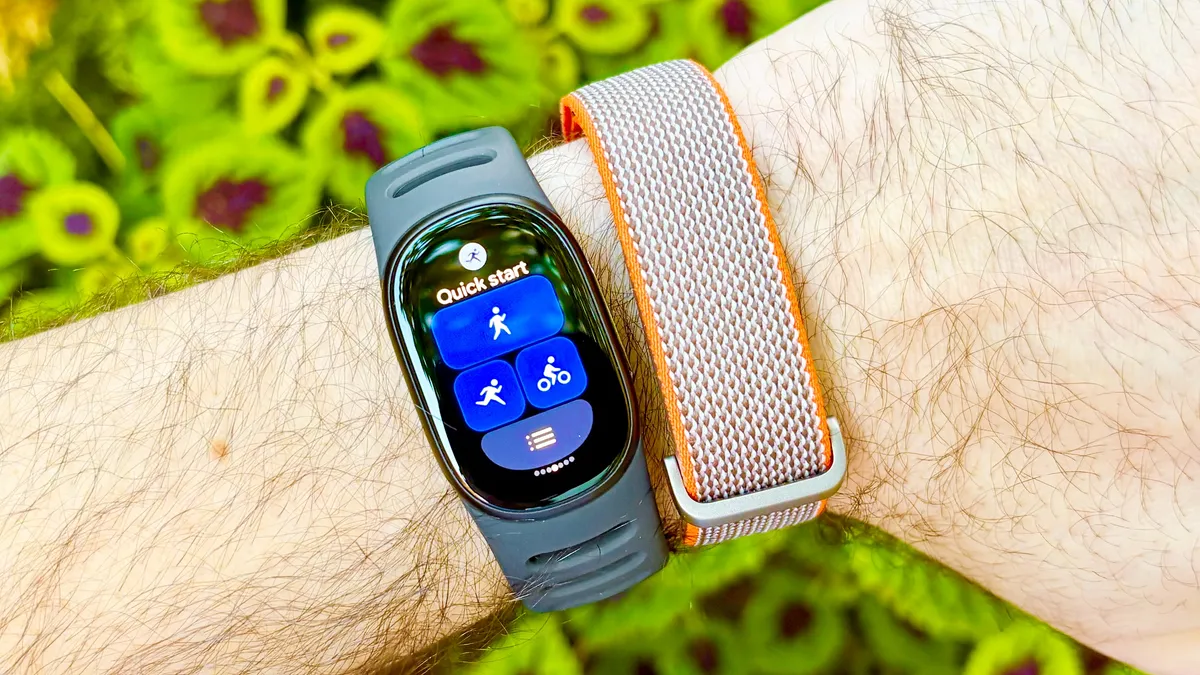
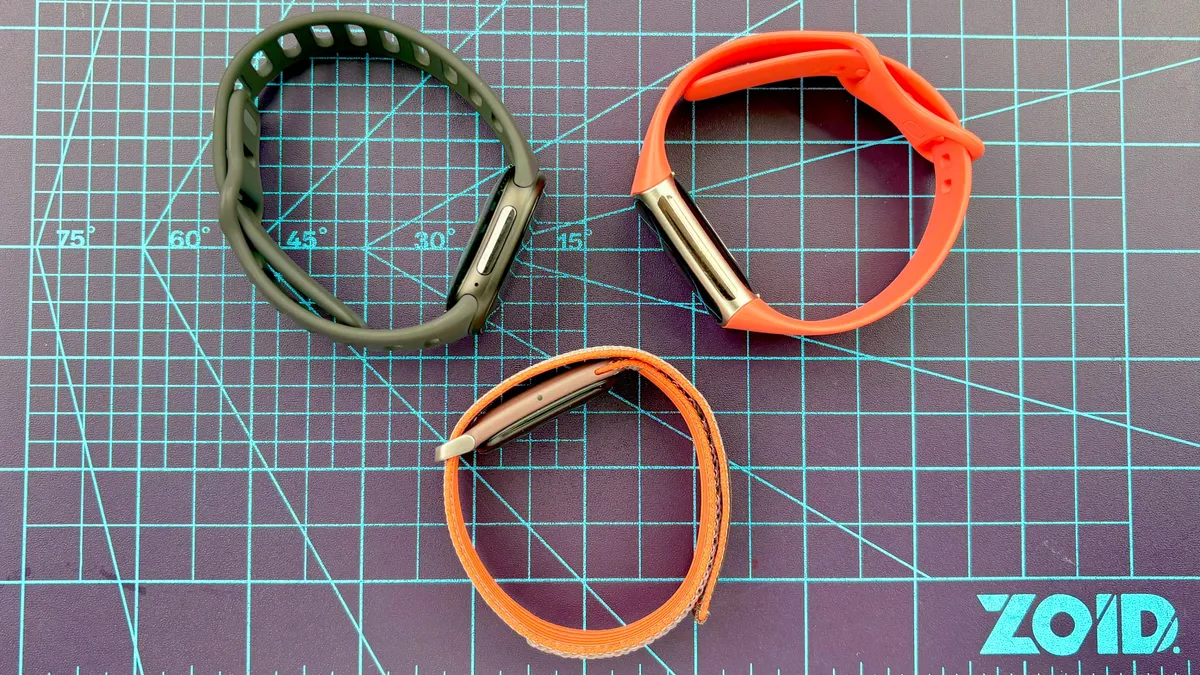
The Fitbit Edge, Fitbit Air, and Fitbit Charge 6 are lightweight, comfortable devices with minimal footprints, making them appealing sleep trackers as well as fitness trackers (I loathe sleeping with chunky tech on my wrist).
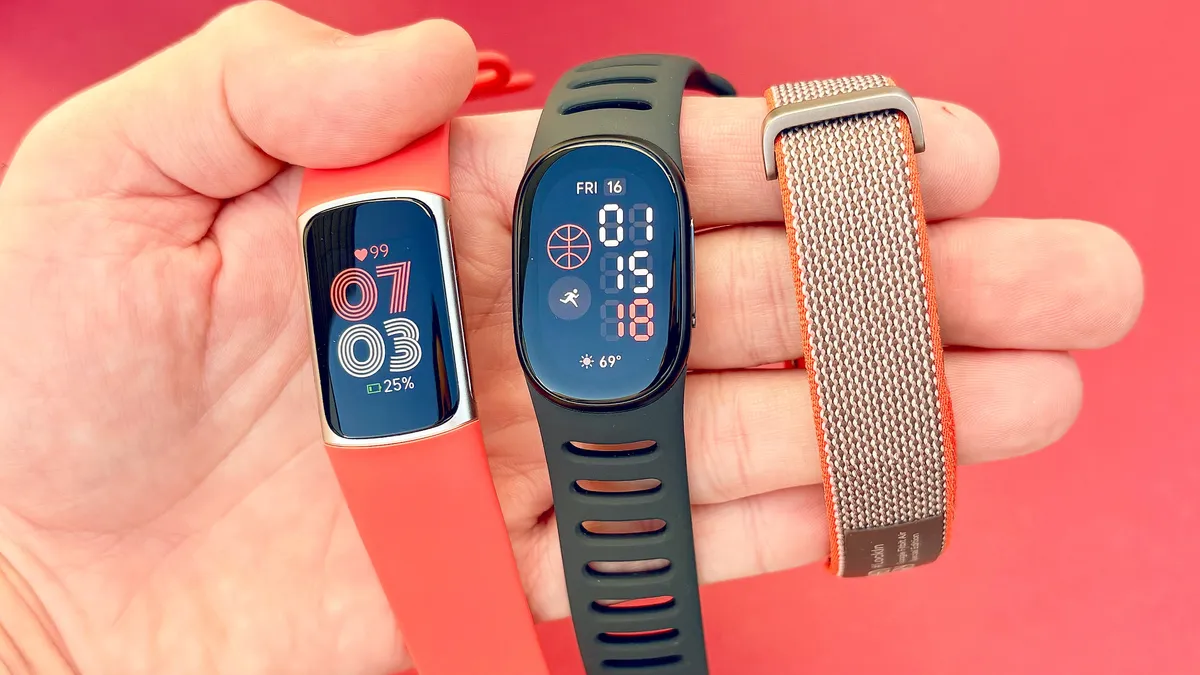
The Fitbit Edge is the largest and heaviest of the bunch, but not by much. On the wrist, without looking, I'd be genuinely hard-pressed to tell the Fitbit Edge from the Fitbit Charge 6. The Air, meanwhile, truly lives up to its name.
With no display, buttons, or GPS, the Fitbit Air is by far the lightest and the most compact of the three. The low-key design also means it doesn't shout to the world, "I'm a fitness tracker, this guy cares about his health!" In fact, I can even rock it with a traditional mechanical watch on the other wrist without looking like a total dweeb.
The most discreet and comfortable of the bunch, the Fitbit Air's design is easily my favorite.
Winner: Fitbit Air
Fitbit Edge vs Fitbit Air vs Fitbit Charge 6: Display
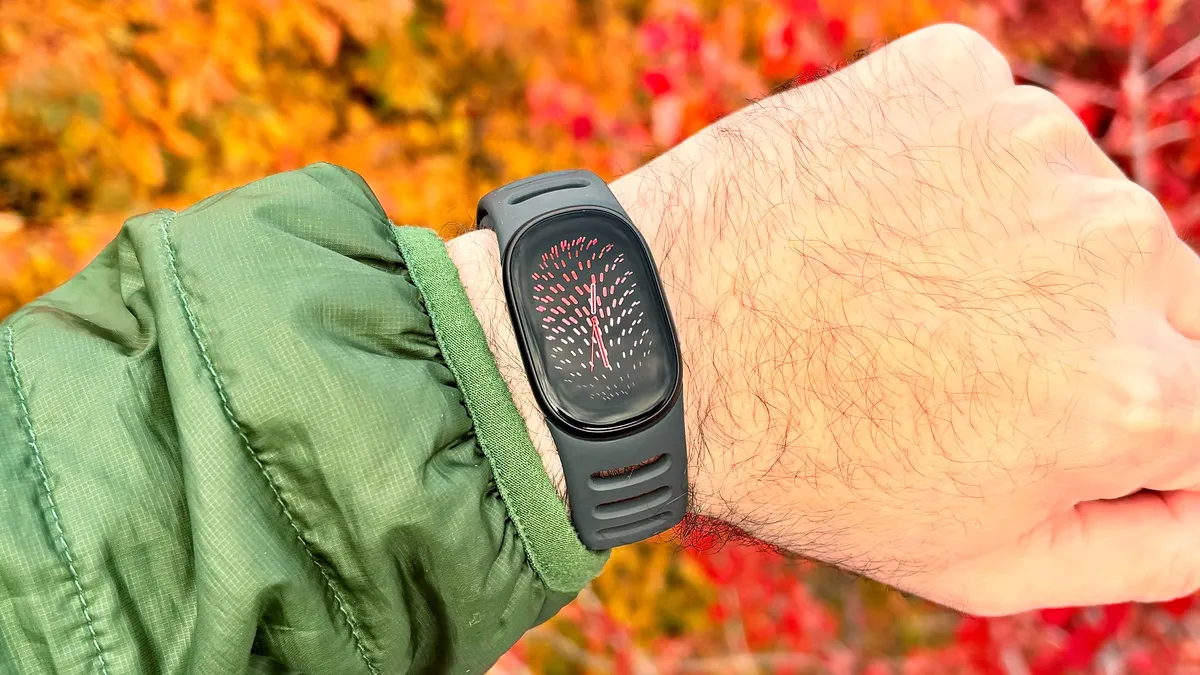
The Fitbit Air doesn't have a display, so it obviously won't be winning this category, but the Fitbit Edge and Fitbit Charge 6 do. Both are touch-sensitive AMOLEDs, but the Edge's display is larger and brighter, making it easier to view in direct daylight
It's also more finger-friendly to interact with, especially if you have meaty paws. I have fairly standard fingers (I think?) and still find the Charge 6's 1.04-inch display to be a bit fiddly. This is not the case for the Edge's 1.34-inch panel.
Winner: Fitbit Edge
Fitbit Edge vs Fitbit Air vs Fitbit Charge 6: Fitness tracking
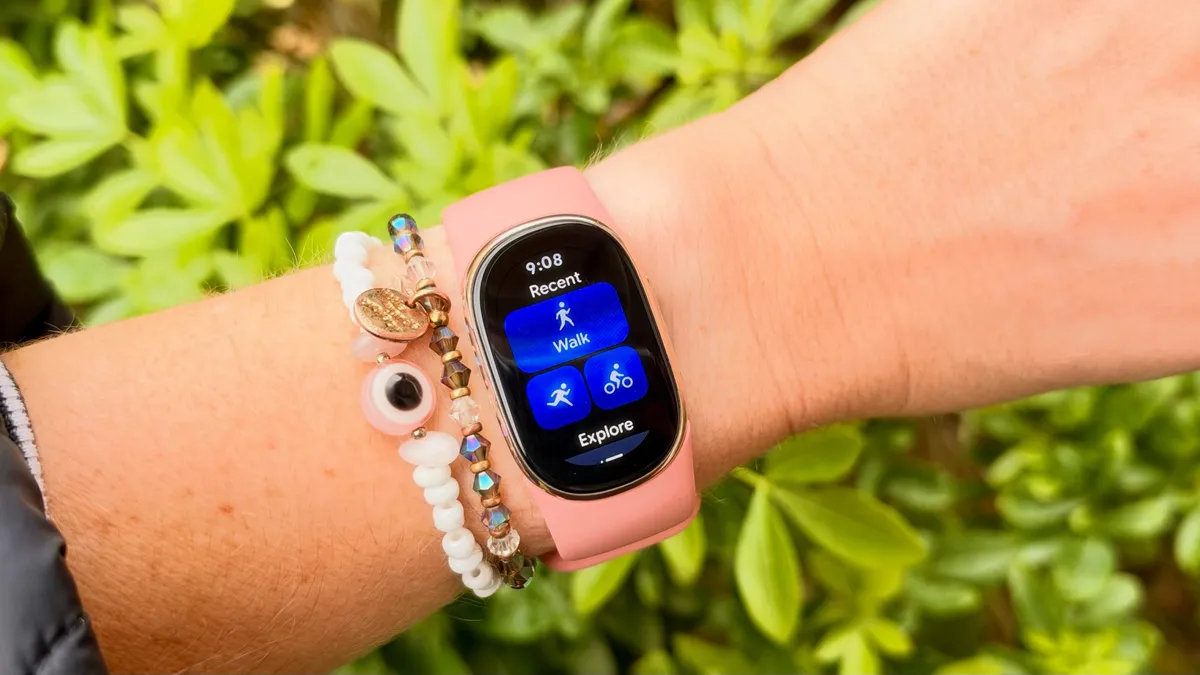
All three wearables are competent fitness trackers capable of recording a wide range of common workout types accurately, but the Edge has some notable advantages over its peers.
For example, if your workout habits involve mountain activities or you simply like going for a jog/walk without carrying a smartphone, the Fitbit Edge is going to be your best option of the three.
If your workout habits involve mountain activities or you simply like going for a jog/walk without carrying a smartphone, the Fitbit Edge is your best option.
This is because the Fitbit Air lacks onboard GPS for location tracking. Sure, it's still capable of reporting location-based metrics like distance and pace, but the Air relies on your paired smartphone's GPS antenna to make it happen. Translation: you have to lug around an extra chunk of tech.
The Fitbit Charge 6 has an onboard GPS antenna, so you can leave your phone at home, but it lacks a barometric altimeter for precise elevation tracking. If you live somewhere flat, this might not matter much.
However, I live in hilly Seattle, Washington, where an afternoon walk might involve 500+ feet of elevation gain. Fortunately, the newer Edge has both GPS and an altimeter, making it my top pick for fitness tracking.
Winner: Fitbit Edge
Fitbit Edge vs Fitbit Air vs Fitbit Charge 6: Health and safety
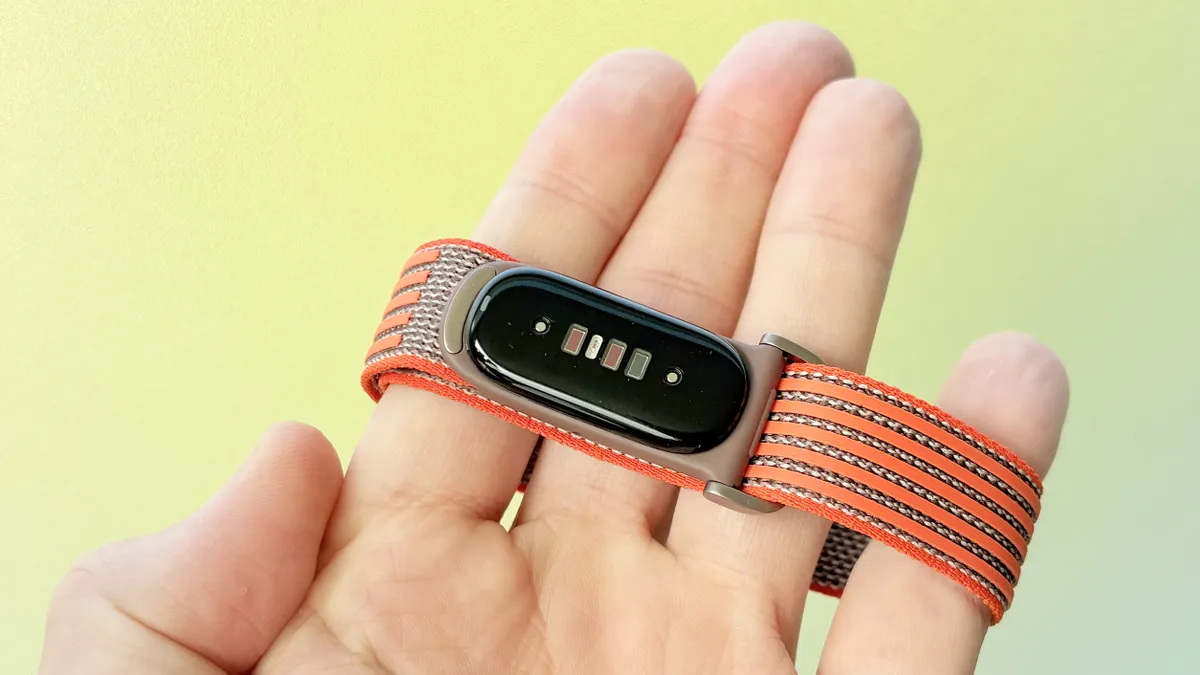
The Fitbit Air, Fitbit Edge, and Fitbit Charge 6 all use the same Google Health app (formerly the Fitbit app), where users can view their workout history, daily sleep reports, set wellness goals, view long-term trend data, and more.
All three models also support blood oxygen saturation readings (Sp02), but only the Edge and Charge 6 can perform ECGs.
Meanwhile, only the newer models (Edge and Air) offer Google's most advanced health and safety features, borrowed from the Pixel Watch 5 line. These include breathing emergency alerts and loss of pulse detection, as well as Google's new monthly insulin resistance and blood pressure trend reports.
Winner: Fitbit Edge
Fitbit Edge vs Fitbit Air vs Fitbit Charge 6: Battery life
All three Fitbits are billed as lasting up to a week per charge, but in my experience, the older Fitbit Charge 6 falls short of that by a day or two. The Fitbit Edge, meanwhile, has no issue lasting a week on a single charge, but there's a catch.
When using the Edge's onboard GPS to log an outdoor workout, the battery drains quickly: up to 12% per hour.
With no GPS or screen to power, you might guess that the Fitbit Air has the best real-world battery life of the three. And you'd be right. The Fitbit Air should last you seven days per charge with no problem, regardless of how many workouts you log.
Winner: Fitbit Air
Fitbit Edge vs Fitbit Air vs Fitbit Charge 6: Verdict
While I ultimately prefer the price and low-key, diminutive design of the Fitbit Air to the Fitbit Edge and Charge 6, the Edge has its peers beat when it comes to fitness tracking performance, screen size/quality, and health/safety features.
Sure, it's the priciest of the bunch, but the Fitbit Edge is definitely the model I'm most likely to spend my hard-earned cash on. Which Fitbit model would you choose? Let me know in the poll below.
Overall winner: Fitbit Edge

Follow Tom's Guide on Google News and add us as a preferred source to get our up-to-date news, analysis, and reviews in your feeds. Alternatively, you can read our content on the Tom's Guide app available now for iOS and Android. Subscribe to Tom's Guide on YouTube and follow us on TikTok. Finally, you can visit our dedicated Tom's Guide Savings Squad hub for expert help on getting the best products for less.
More from Tom's Guide