Selling your phone? Here are 7 ways to help increase its value

Upgrading your phone can be an expensive endeavor, even if you spread the cost out over two or three years. Thankfully, you can offset some of the cost by either selling or trading in your old device. If you play your cards right and sell the right phone in the right place, you may even be able to save hundreds of dollars on the cost of your new device.
The question is, how do you actually maximize your phone's resale value and get the most money back for your used handset? Here are seven ways to help increase the value of your phone, and use it to reduce the cost of that shiny new device you've had your eye on.
The type of phone matters

It goes without saying that not all phones are equal when trade-ins are concerned. It's all about supply and demand: The more in-demand your existing phone is, the more someone is going to pay for it. For that reason, newer devices sell for more than older ones, while premium devices sell for more than their cheaper counterparts.
The $500 Galaxy A56 is not going to sell for anything like as much as the $1,200 Galaxy S25 Ultra, after all.
It's also worth noting that the brand of phone plays a big role. iPhones are very sought-after devices, and tend to hold their value better than other brands. Likewise, phones with ample brand awareness, like Samsung, are going to sell for more than devices from the likes of HMD or Nothing. So just remember that the type of device you have will limit how much you can actually get for your old phone.
Compare trade-in prices

How you sell your phone matters almost as much as the device you're actually attempting to offload. There are a bunch of different ways to sell or trade in an old handset. The most common methods are to trade it in when you purchase your new device or sell it directly to a reseller.
When it comes to making a decision, you should always check and compare trade-in prices. It's usually possible to get bonus trade-in credit during big sales events or following the launch of a new device. Considering the cost of a brand-new phone is not likely to differ much from retailer to retailer, finding the right trade-in deal could be the best option to lower the purchase price.
You may be wondering whether you could sell the phone yourself, because retailers are going to underpay to help them make a profit when they resell your phone. While this is an avenue that can be explored, you have to think about how successful you'll be.
Not only does it require more effort to sell your phone on eBay or Facebook Marketplace, but you may find that people are less inclined to buy from total strangers. Buying from a retailer or carrier comes with benefits like warranties and returns policies that you can't offer as an individual — which means you'd have to lower your asking price to entice potential buyers.
Use a case and screen protector

The best way to maximize resale value is to ensure that your phone is kept in good condition throughout its time with you. That means you should take steps to ensure it's kept safe and in good condition, ideally using a case and screen protector to minimize any potential damage that can occur.
While you may want to show off your phone in its full, naked glory, the fact is that phones are still incredibly fragile. No amount of durable materials or stronger display glass is going to change the fact that a single accidental drop could cause considerable damage. And just look at how easily the iPhone 17 Pro chips during everyday use.
Any case is better than none, though a specialized protective case is going to offer the most support. A damaged case may not be ideal, but it's far better than a damaged phone. Likewise, screen protectors are relatively cheap and come with tools that make applying them correctly easier than ever. After a few days, you may not even notice that it's there.
Sell before the next model launches

Most people will be trading in their phone because there's a new model that's just become available. This piece of advice may not apply to you. But if possible, you should always make sure to sell your phone before the newer model launches.
Why? This is because the unveiling of a brand new phone always causes the value of older models to decrease. Admittedly, trade-in prices can fluctuate throughout the year, but considering phone launches happen on a fairly regular schedule, it's easy to anticipate when the next big value drop will come.
But you can also make this work to your advantage. If you have a phone that's several years old and want to upgrade — but don't necessarily need the latest model — you should wait until after the company releases a new phone, and then look at the prices for the model it just replaced.
Unlock your phone

Nothing hinders a product's value more than having arbitrary restrictions imposed on how it can be used. And yet, it's common practice for phones to be locked to a specific carrier in the U.S. Needless to say, having a phone locked to AT&T, Verizon or some other carrier is going to be less valuable than a device that's fully unlocked.
If you originally bought a device that's unlocked, then you have nothing to worry about. But if you did get a carrier-locked phone, you should request that they unlock it for you. The general FCC guidelines are that carriers can't keep your phone locked for more than a year after its initial activation, but you will have to request it first.
It's also worth noting that different carriers have different policies on when they will fulfill an unlock request. T-Mobile and some of its subsidiaries will unlock your phone after 40 days, provided the device has been unlocked in full.
Others, like AT&T or Mint Mobile, will comply after 60 days, while Verizon does it automatically as soon as your device is fully paid off. So be sure to check your carrier for their specific policy and how you can file an unlock request.
Fix any damage
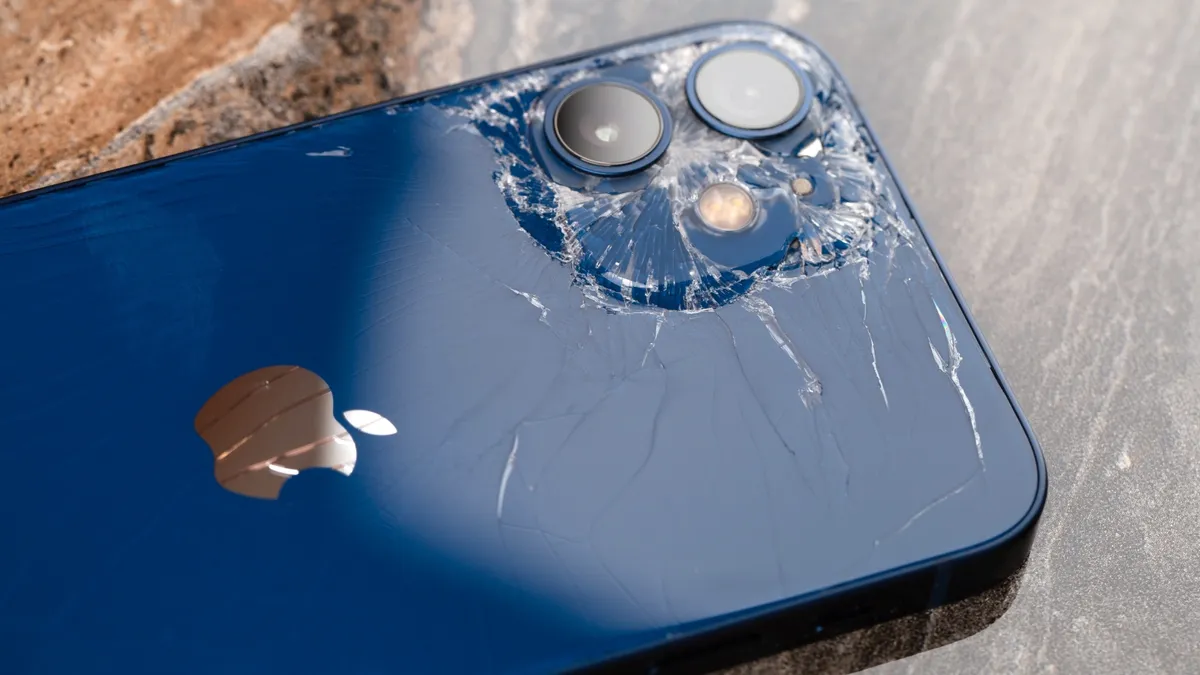
Obviously, if your device has any kind of visible damage, that is going to count against you when it comes to selling and trading in. That's especially true for any really obvious damage like a cracked screen or a weak battery. Fortunately, these are usually very easy to fix, either by taking them to a repair shop or doing the process yourself.
Sites like iFixit sell authentic parts for a range of phones, including iPhones and Pixels, while also offering tools and tutorials to help you along the way. If you're confident enough in your abilities, then it makes sense to fix any affected components yourself.
But, failing that, phone repair shops should be able to handle it for you without much issue — and with some kind of guarantee or warranty on the fix. Though this is obviously going to cost you a little bit more.
Include the original box and accessories.
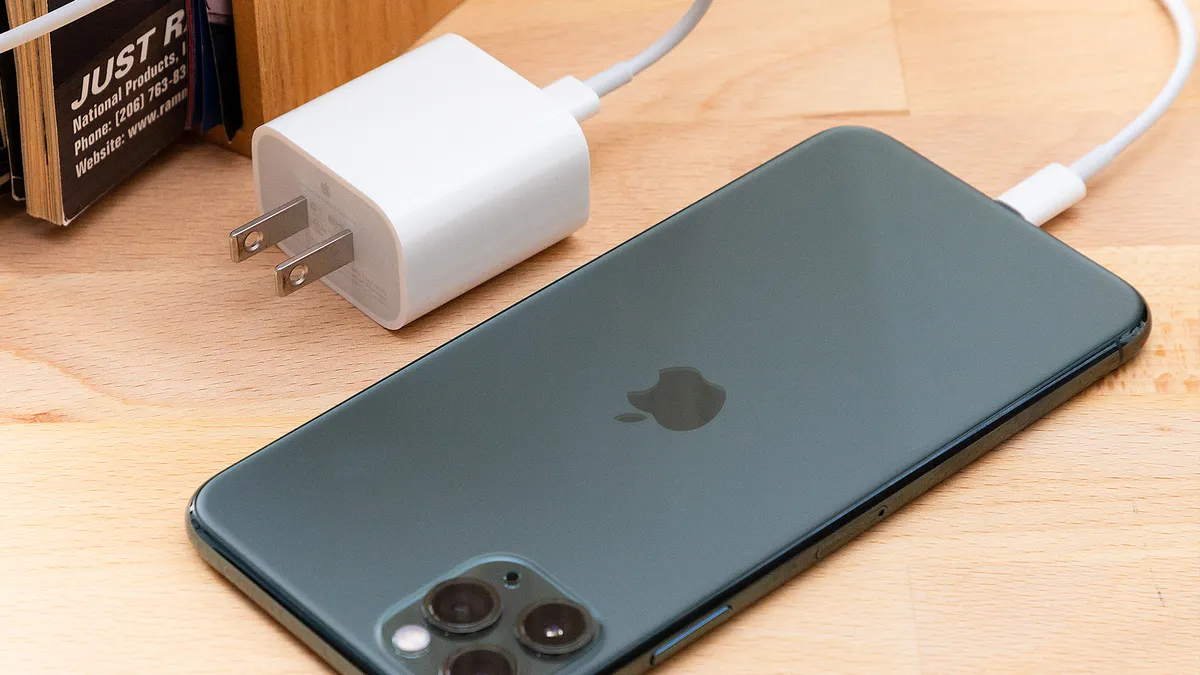
If you're trading a phone into a carrier or retailer, there may not be much need to hand over the original box and accessories. But if you're selling directly or through a reseller, having those things could net you a few extra dollars of resale value. Plus, having the original box should offer a little bit more protection if you have to mail your phone somewhere.
Things to do before you sell your phone

Your phone is a precious commodity, and as such, you need to make sure you go through all the correct steps to ensure it's ready to be sold to a different person. We have a full guide on how to reset your iPhone correctly, but here are a few more tips to remember.
First thing is you should remove all the accessories, including the case or any grips you may have used. Leaving a screen protector on should be ok, so long as it doesn't show any visible cracks or signs of obvious damage.
Then you'll need to back up all your data and transfer your SIM and data to a new device. If you have a physical SIM card, that's as simple as swapping the card out, though eSIMs will need to be transferred. This process can differ depending on your carrier and device, but sometimes it can be done during the setup process. Check your carrier's pages to see what they have to say about this before you do anything.
Finally, you should do a full factory reset, which will wipe all data from your phone. Once completed, you simply need to package up your phone and do whatever needs to be done to get paid for it.

Follow Tom's Guide on Google News and add us as a preferred source to get our up-to-date news, analysis, and reviews in your feeds. Subscribe to Tom's Guide on YouTube and follow us on TikTok. Finally, you can visit our dedicated Tom's Guide Savings Squad hub for expert help on getting the best products for less.
More from Tom's Guide
- Apple's hardware shake-up could speed up development of new products — and that's the best news I've heard all year
- I just tested the next-generation of Android Auto, and it’s a huge leap forward that embarrasses Apple CarPlay
- I tested the entire Motorola Razr 2026 lineup for a week — here's the one I'd recommend