




Every few years, I get trapped in the classic Apple upgrade loop. Three years ago, I jumped up from an iPhone 12 Pro Max to a 512GB iPhone 15 Pro Max for its big screen and flagship camera specs. This year I was ready to do the same for the iPhone 18 Pro Max — until I saw the insane prices, even with trade-in values added in.
Making things urgent, my trusty iPhone was aging. Despite my best efforts, the battery health steadily declined over the years and a minor issue with the USB-C port popped up when charging it one day.
Thinking about having to pay nearly $600 for out-of-warranty repairs, $100 for a new battery, or dropping $1,000 for the latest iPhone 18 Pro Max, I decided to do something I’ve never done before: give up on the iPhone’s Pro tier altogether.
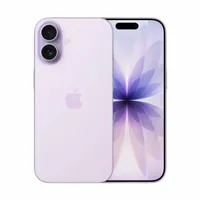
I traded in my 15 Pro Max and bought a base 256GB iPhone 17 instead. Sure, I might have given up storage space, camera features, and the screen might be smaller, but moving to a standard iPhone didn't feel like a downgrade from an older iPhone Pro model. Here’s why it was a relief to me, and my wallet.
The price conundrum

Times are tough, and with the cost of living going up in NYC, the biggest factor in my decision was the iPhone pricing. With Apple’s trade-in values, I get a lot for my old iPhone Pro model when trading it in for a base-tier iPhone 17. It almost felt like a steal.
While it would have been nice to get a new Pro iPhone again, the price didn’t make sense for my wallet. Trading in a 512GB iPhone 15 Pro Max for the same 512GB iPhone 18 Pro Max 512GB would have been $1,044 — with Apple paying me $455 in trade-in value. I had also considered the 512GB iPhone 18 Pro which would have been $944 with the same offer.
The biggest factor in my decision was the iPhone pricing.
Dropping down to 256GB would have also saved me $200 from that on either model, bringing the 18 Pro Max down to $844 and the standard 18 Pro down to $744 after trade-in, but it was still steep.
I went for the iPhone 17 256GB instead, it was just $444 with the same $455 trade-in. I might have had to clean up apps and photos from my old iPhone before making the switch to 256GB, but I saved $600 compared to getting the iPhone 18 Pro Max. Or $500 vs getting the iPhone 18 Pro. Considering all the features the base iPhone 17 has to offer, this wasn’t too bad of a choice.
I still have plenty of 'Pro' features

The biggest appeal for the iPhone Pro series to me was always the bigger screen and the top-level features. As my life evolved, though, I realized that I didn’t need a huge screen. Moving away from the iPhone 15’s Pro Max 6.7-inch screen to iPhone 17’s base 6.3-inch screen was surprisingly seamless to me, and my new phone still felt like an iPhone Pro.
Those 0.4 inches in screen real estate didn’t make a huge difference for me. With super thin bezels on the iPhone 17, I still see the same content on screen in social media and work apps that I had before. And even better, the base iPhone 17 features ProMotion, so I got the same 120Hz refresh rates I am used to from my old phone.
I even got display upgrades! With the iPhone 17 topping out at 3,000 nits vs the 2,000 nits, my new phone was brighter and better to use outdoors. The new ceramic Ceramic Shield 2 screen also gives the screen better durability, since I go for a case and screen protector free look.

Performance and battery life improvements were there, too. The new A19 chip also made things feel snappier than before. And despite the iPhone 17 having a slightly smaller 3,692 mAh battery against the iPhone 15 Pro Max’s 4,422 mAh, I am now able to charge my phone only once every two days, something I never was able to do with my 15 Pro Max’s degraded battery.
I never realized that the base model iPhone could bring this much performance, display tech, and battery optimization from an older Pro phone, it doesn't just feel like a great value, it still feels like a Pro-level experience.
The camera is just fine

My biggest reason for always buying a Pro iPhone was the extra telephoto lens. The base iPhone 17 lacks that, so I was worried that I would regret losing it, but I didn’t. In fact, the iPhone 17’s camera system was an upgrade.
Thinking back, the only times I found myself using my telephoto lens was at Mets games or other in-person events. Even then, the photo quality was not as good as a dedicated camera and it was just something I used occasionally. For everything else I do, the dual camera system on the iPhone 17 has been just as good for taking pictures for social media, product shots for work, and everyday video recording.
What's more notable to me, though, was the Center Stage front camera. Being able to tap to zoom and rotate made my Facetime calls with my long distance friends more personal. Selfie videos were much more stabilized than on my previous iPhone, and the dual capture feature has been a blast when capturing video moments around the city for my friends in other states.
You might want to make the switch, too

With Apple hiking prices across the entire iPhone lineup, trading in an older, degrading iPhone for a new base model might be your best option. You might end up like me: stepping back and considering what you truly need from a phone before buying. Not everyone needs “Pro” features, and given how capable base iPhones have become, the distinction between models is clearer than ever — so a base model might be the upgrade you didn't realize you needed.

Follow Tom's Guide on Google News and add us as a preferred source to get our up-to-date news, analysis, and reviews in your feeds.
More from Tom's Guide

