

As the mowing season winds down and temperatures start to plunge, packing away your lawnmower is usually the final task on the fall yard work checklist. However, simply wheeling your mower into the shed or garage with a half-full tank of gasoline is a costly mistake.
Stagnant, untreated gas is the single biggest cause of small-engine failure, leading to gummed-up carburetors, rusted fuel lines, and an expensive repair bill — or a completely dead engine when spring rolls around.
Before you store your equipment for the cold months ahead, here is why untreated fuel ruins your mower during seasonal storage, and the simple one-step solution that keeps your engine protected.
1. Why gas goes bad
Most gasoline purchased at the pump contains up to 10 percent ethanol, which works fine when you are burning through a tank every week. The problem arises when that ethanol-blended fuel sits idle in a lawn mower tank for more than 30 days.
Ethanol is hygroscopic, aggressively drawing moisture from the air into the fuel, a process accelerated by temperature fluctuations that cause tank condensation.
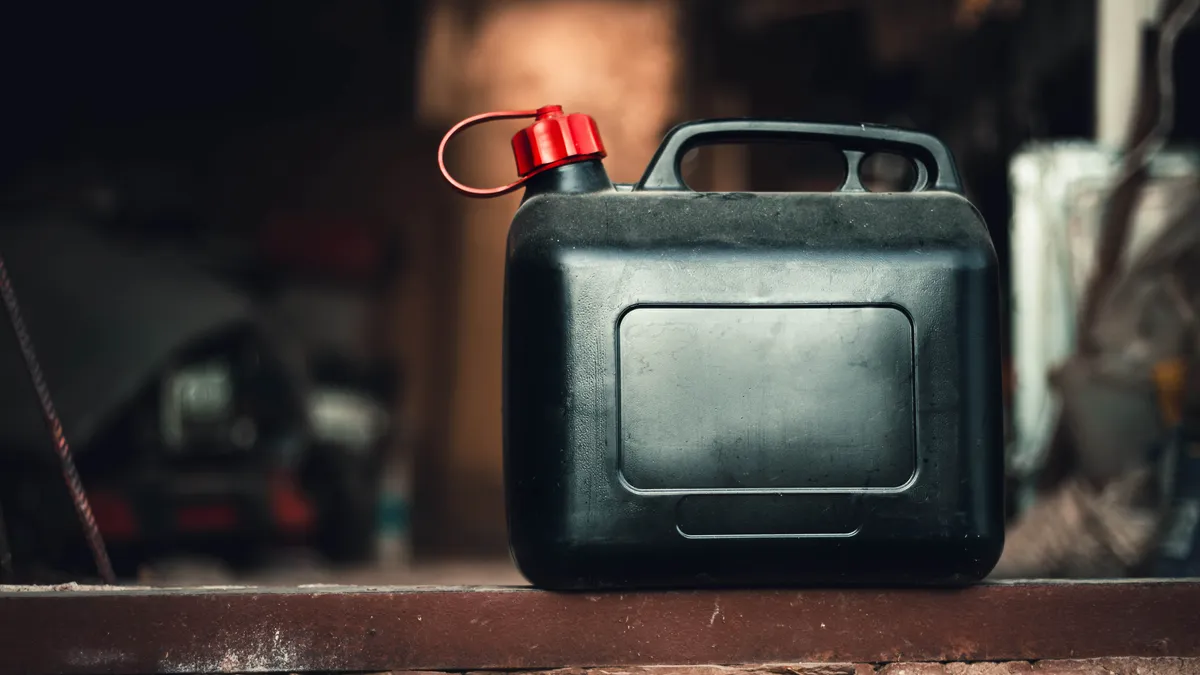
Over a few weeks, this trapped water triggers "phase separation," causing a heavy, acidic water-ethanol mixture to sink to the tank's bottom where the carburetor line feeds.
This slurry corrodes metal, destroys rubber seals, and leaves a gummy varnish that clogs the carburetor's microscopic jets. Because of this, next spring the engine will refuse to combust, even with a perfect spark, or it will stall immediately.
2. Stabilize or drain the gas tank
To keep your mower's fuel system pristine over the off-season, you have two choices: treat a full tank with a high-quality fuel stabilizer, or drain the fuel system completely.
If you choose to store it empty, remove any remaining or stale gas from your lawn mower's tank. The safest and cleanest way to do this is by using a manual hand pump. These inexpensive siphons come in various hose lengths and diameters to suit your setup, allowing you to easily transfer fuel into a safe storage container.
If you aren't comfortable siphoning fuel lines or draining the system, adding a fuel stabilizer is the easiest, most reliable method. Fuel stabilizer contains antioxidants and anti-corrosive additives that bond with gasoline molecules, preventing phase separation and stopping fuel oxidation.
To do it correctly, pour the recommended dose of stabilizer into a fresh can of gas, or directly into your mower's tank, and top it off so the tank is roughly 95 percent full.
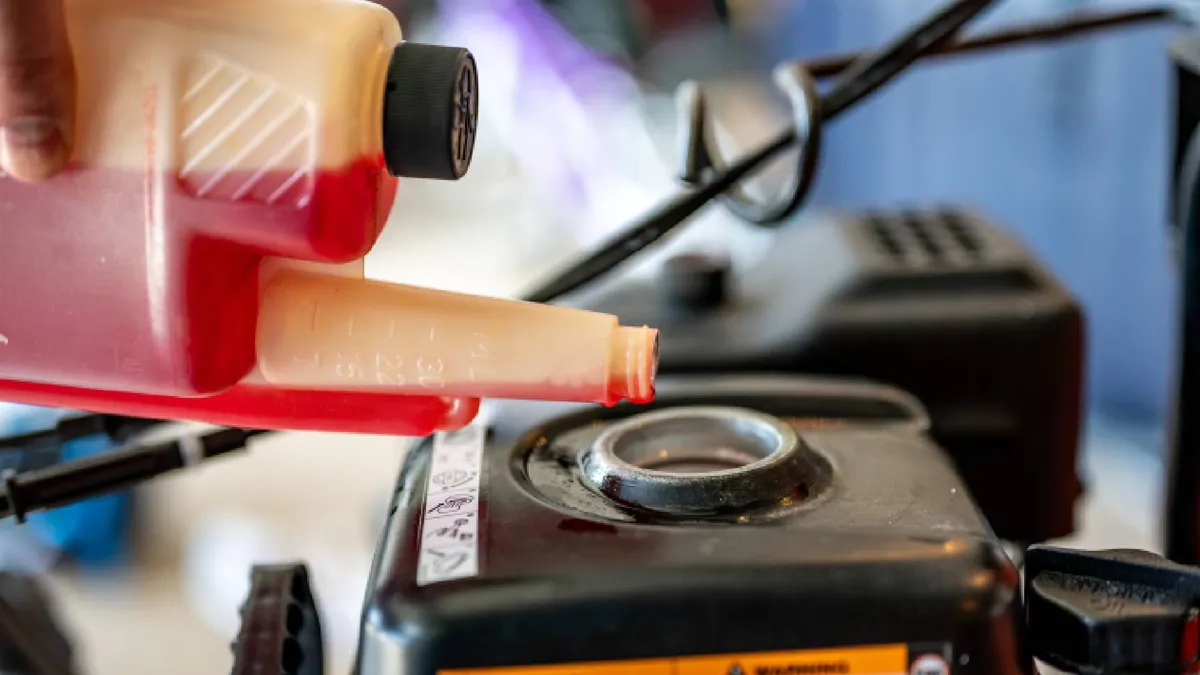
Leaving a full tank leaves minimal airspace for condensation to form inside the walls.
Once added, run the mower engine for five to ten minutes. This step is critical: running the engine ensures the treated fuel circulates through the entire system, filling the carburetor bowl and fuel lines with stabilized gas.
3. Maintenance steps to finish your mower prep
Once the fuel system is stabilized and protected, spend five extra minutes completing two final winterization steps to ensure your mower starts on the very first pull next spring.
First, disconnect the spark plug wire to prevent any accidental starting, tilt the mower up with the air filter pointing upward, and scrape away all caked-on grass clippings and mud from the underside of the deck.
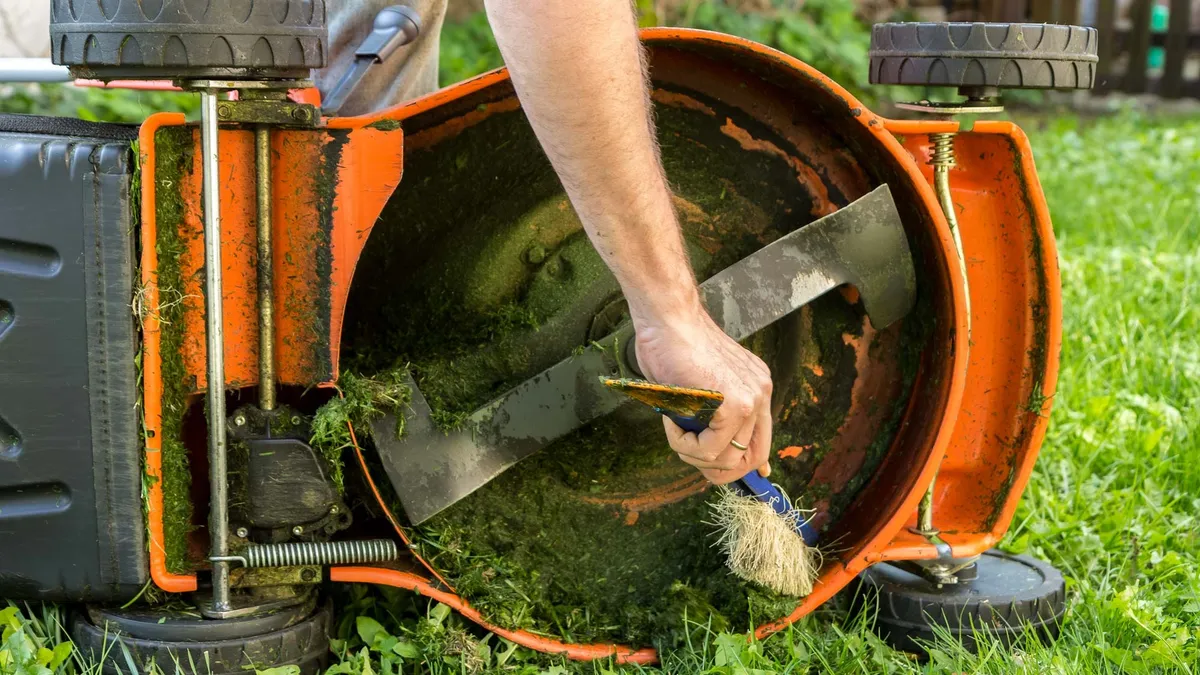
Damp, trapped grass holds moisture against the metal deck all winter long, causing heavy rust and structural corrosion.
Then remove the mower blade and sharpen or balance it now so it is ready for the first spring cut, or simply wipe down the blade with a thin coat of WD-40 or mineral oil to ward off surface rust while stored in a damp shed or garage.

Follow Tom's Guide on Google News and add us as a preferred source to get our up-to-date news, analysis, and reviews in your feeds. Make sure to click the Follow button!
More from Tom's Guide