




I love sourdough bread, but the thing that's always stopped me from making my own loaves is how high-maintenance this hobby seems to be. First there's the starter, which needs feeding every 24 hours, then the long and arduous process of mixing, developing and fermenting your loaf. And as if that weren't enough, from what I'd heard, 99% of newbie sourdough loaves come out flat as a pancake anyway.
Well, 2025 was the year I learned the error of my ways, and gave into the sourdough hype. And not only is this hobby a lot easier than I'd expected, it's also perfectly do-able alongside a busy life. I learned all this at a masterclass with pro baking brand Brød & Taylor, where I got the chance to make my very own starter (his name is Breddie Mercury), and take home a delicious loaf, shaped and baked by yours truly.
Since then, I've been well and truly hooked on sourdough. I never buy pre-made bread any more, sometimes I even give loaves to neighbors because I bake bread faster than I can eat it.
Here's everything I recommend newbie sourdough bakers invest in for a smooth 2026.
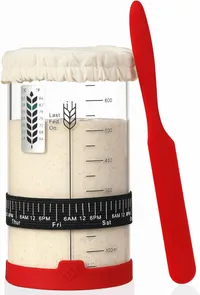
A jar for your starter

I made my starter from scratch, but you can buy dried starters from more established bakers on Etsy and the like. No matter how you make a starter, you'll need a jar to store it. Ideally, your jar will be marked along the side, allowing you to watch your starter rise and fall, and measure its progress after feeding.
Mixing and proving must-haves

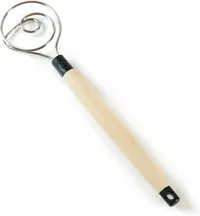
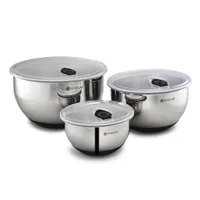
Combining your sourdough ingredients couldn't be much easier. I use some very precise kitchen scales to weigh out high-protein flour, then use a dough whisk to combine everything in a stainless steel mixing bowl and perform stretch and folds four times with half-hour intervals to build gluten.
Then, it's just a case of leaving your bread to 'bulk ferment', which can take up to 12 hours depending on your kitchen's temperature. I've been eyeing up a proving dish to help with this (we tested one called the Sourhouse DoughBed, which might be going on my birthday wishlist), but for beginners, I think it's quite useful to get a sense of how your starter performs in different temperatures.
Shaping supplies

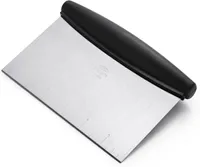
Once bulk fermentation is over, I get to do my favorite part: shaping my bread. To do this, I tip my dough onto a floured counter (it should come out relatively cleanly) and fold it into a round shape, building tension by scraping across my counter and lifting cleanly away using a dough scraper.
I plop it top side down into a floured banneton, and leave it to prove for another few hours (or overnight in the fridge).

The baking

Look, I'm not claiming to be a pro by any stretch of the imagination, but I was pretty proud of the loaf pictured above. It was the first time I'd used my scoring blade, which makes a huge difference in achieving those clean lines and patterned finishes on your loaf.
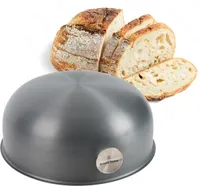
After scoring, I break out my Le Creuset bread oven for the bake. But this is a beginners guide, and that oven is $300. So instead, I'm going to suggest the baking dome I was gifted by Brød & Taylor after my masterclass. It's important to bake your bread with some kind of cover, at least for the initial stage, to allow it to steam-bake and prevent it from burning.
Enjoy!
The worst part about baking sourdough is leaving it to cool for at least an hour before cutting into it. But once that's been done, it's worth the wait. I love analyzing my crumb to see where I went right and wrong during my prove and bake process, then turning to various forums to figure out how to do a better job next year.
It does't cost much to get into sourdough, but if you're going to invest, I'd use my masterlist as a guide to the kit that will make a real difference.

Follow Tom's Guide on Google News and add us as a preferred source to get our up-to-date news, analysis, and reviews in your feeds.

