







Stop wasting your money — Gardeners share the common yard expenses to avoid (and great hacks to save cash)

Summer is here and the ideal time to get outdoors and prioritize our yard and lawn maintenance. To make light work of our tasks, it’s easy to get lured into buying expensive gardening gadgets and professional-grade supplies in hopes of making yard work a breeze (I’ve been guilty of that).
However, seasoned pros warn that many of these items are actually a waste of money and offer little real benefit.
So if you’re looking to slash your gardening budget, I asked the experts to reveal the most common yard expenses to avoid — and what you can do to save your cash.
1. Buying fertilizer (without doing a soil test first)
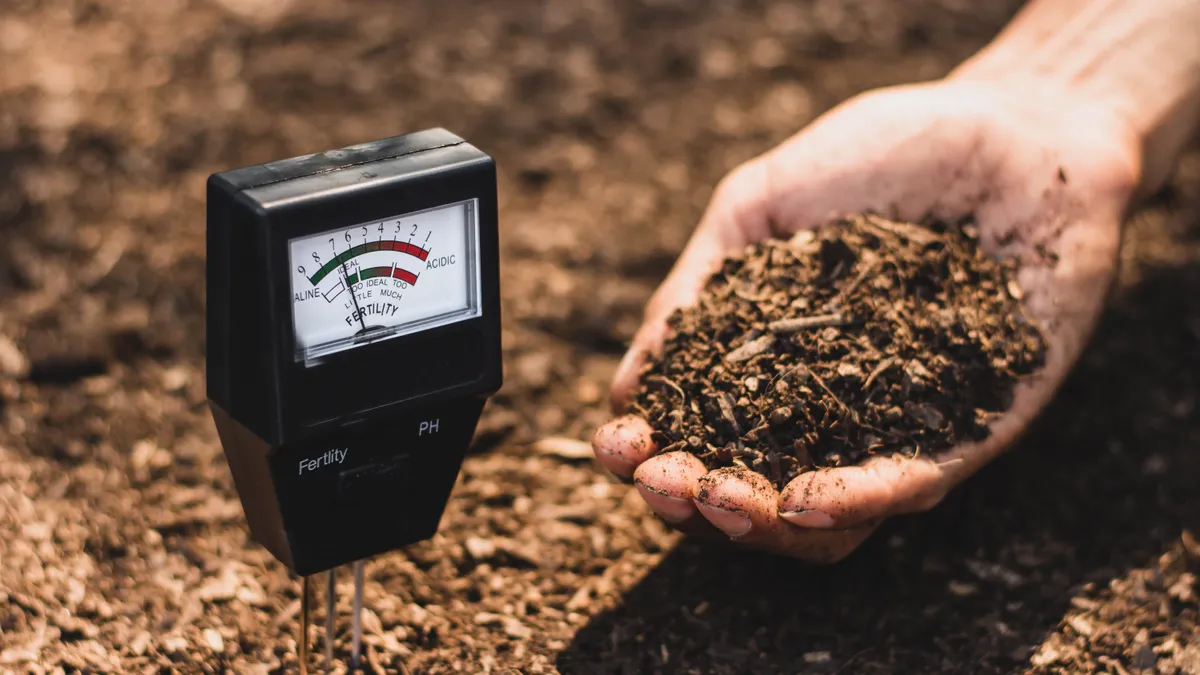
While fertilizer is an essential buy for nurturing plants or achieving a vibrant lawn, homeowners frequently dump cash into bags of fertilizer without first checking their soil's condition. This means that you could be wasting money on fertilizer that won’t benefit your garden.
“One of the biggest things I see that homeowners waste money on is fertilizing a lawn without doing a soil test first,” states Gene Caballero, co-founder of GreenPal.
“Many people apply products that their lawn doesn't actually need, and that wastes money and harms the turf. A simple soil test doesn't cost very much and will tell you exactly which nutrients your lawn is missing and let you know which one to buy.”
You can purchase a soil meter to check the soil pH balance and condition before buying, or you can simply use homemade fertilizer such as mulch.
“One of my favorite money-saving hacks is to mulch your lawn clippings instead of bagging them. The lawn clippings return nutrients to the soil, reduce fertilizer needs, and will help keep the lawn healthier throughout the season.”
For more top tips, here’s how to reuse your lawn clippings around your yard.
2. Cheap plastic gardening tools

Another common money-waster is investing in plastic gardening tools that we think will help us get the job done quickly. From seed-starting trays to cheap soil meters, these can often be a waste of money.
While it may seem like a good idea at the time — or when it was on sale — these tend not to last long or easily get damaged.
“Plastic tools degrade faster than metal ones. As a result, they need to be replaced more often, costing you more money in the long run,” agrees Angelika Zaber, Lawn Care Specialist and Gardening Expert at Online Turf.
“Cheap plastic seed starting trays can be very flimsy, breaking after as little as one or two seasons, but they are also bad for the environment," Zaber says. "Instead, you can use DIY methods, such as toilet rolls or eggshells, to create your own pots, buy better quality, reusable trays, or invest in biodegradable alternatives.”
It’s always worth spending money on tools that you’ll actually use often, and buy high-quality, durable tools that will go the distance.
I’ve often made the mistake of buying cheap gardening tools that would either do a poor job, break easily, or just end up collecting dust at the back of my kit.
What’s more, before you press ‘buy’ on that cheap online deal, always check out the specs or reviews. It may well be too good to be true.
“Homeowners should only buy the tools they will absolutely use, not ones that they think they might need,” adds Charlie Gilbert, Managing Director of Ransom Spares.
“Research the tools that you need to maintain your current garden, and avoid big toolset purchases. Take notice of how often you use the tools you start out with and what they cost you.
Some homeowners might realize that yard upkeep is too taxing or time-consuming and reach out to professional services, who will have their own tools.”
3. Low-quality garden furniture

I’m a sucker for Pinterest, and love looking for inspiration to spruce up my garden with different furniture and decor styles.
And while it’s possible to upgrade your backyard on a budget, avoid buying low-quality garden furniture, because it’s on trend right now.
“Outdoor furniture is expensive, and quality matters most when purchasing it,” states Gilbert. “Low-quality furniture will fade, rust, or crack more quickly than most people think. Those who live in very sunny, humid, or rainy climates will have to replace their furniture more often if they do not buy a weather-durable set.”
Another great money-saving tip is to consider buying used garden items, tools or furniture — but obviously check they are in good condition first.
“Garden furniture sets are not often something people concern themselves with the most when moving to a new house,” agrees Gilbert.
“Furniture can be cumbersome and difficult to move if you have a small vehicle, so check your local online listings and yard sales. Tools can also be purchased secondhand; just check their condition before buying.
“Word of mouth goes a long way as well if you live in a smaller neighborhood. You never know who is trying to get rid of what, so talk to your neighbors and let them know what you are looking for.”
So the next time you visit a thrift store or local market, it might be worth looking out for pre-loved garden furniture that you could rehome — and save a buck.

Follow Tom's Guide on Google News and add us as a preferred source to get our up-to-date news, analysis, and reviews in your feeds. Alternatively, you can read our content on the Tom's Guide app available now for iOS and Android. Subscribe to Tom's Guide on YouTube and follow us on TikTok. Finally, you can visit our dedicated Tom's Guide Savings Squad hub for expert help on getting the best products for less.
More from Tom's Guide

