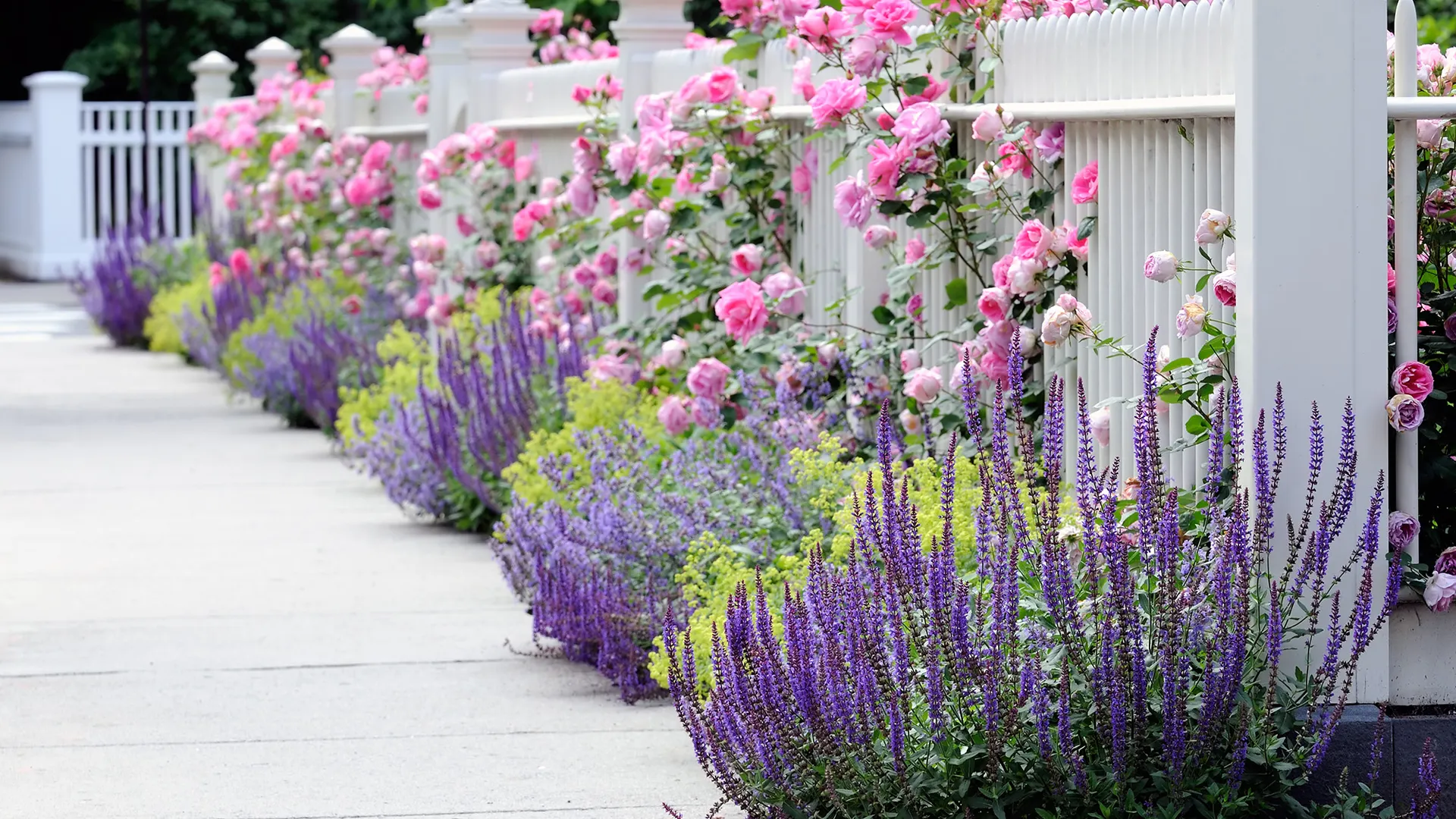
Your front porch sets the tone for the rest of your home. It’s the first thing guests (and passersby) see, which means the right plants can have a surprisingly big impact on curb appeal.
But while lush containers and overflowing flower beds look beautiful, not everyone wants to spend their weekends watering, pruning, and deadheading. Finding that balance between ease and beauty can be a challenge.
That’s where low-maintenance plants come in. The best options combine strong visual impact with resilience, meaning they can tolerate heat, dry spells, or neglect without losing their aesthetic appeal. Many also provide long-lasting color or structure, helping your porch look polished for months on end with very little effort.
The key is choosing plants that naturally thrive in your conditions, instead of fighting against them. From dramatic flowering perennials to hardy evergreen shrubs, these are seven of the best zero-maintenance plants to transform your front porch — without creating extra work.
1. American beautyberry
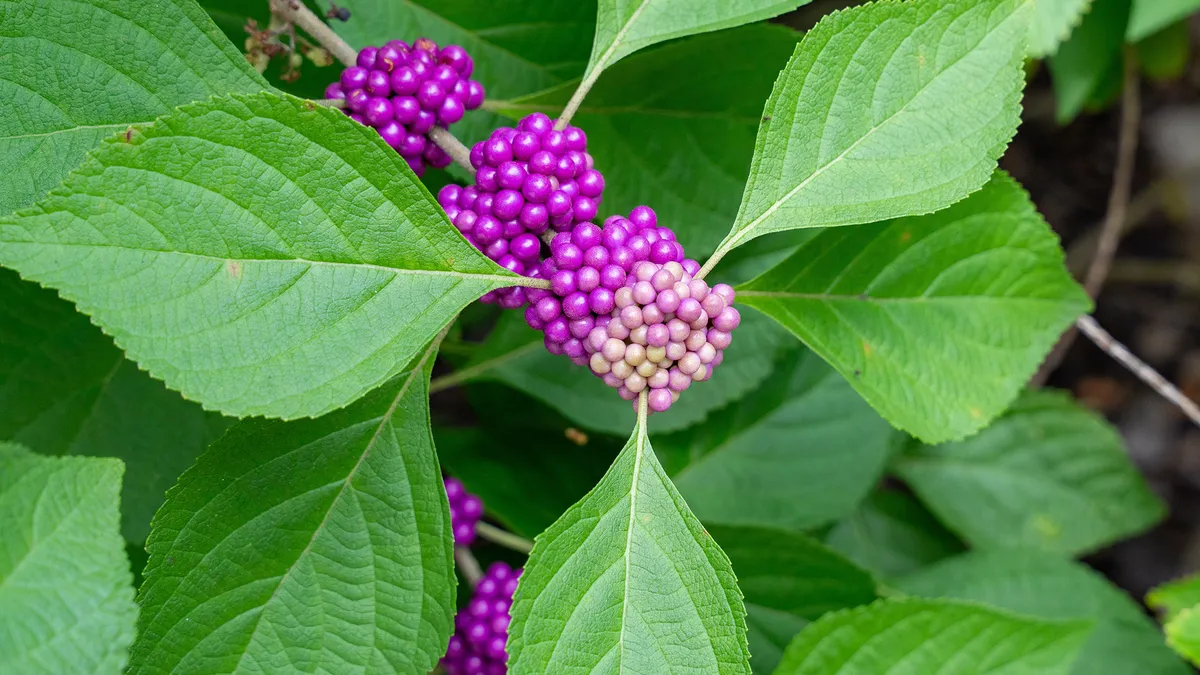
American beautyberry is a native shrub known for its vivid clusters of purple berries that appear in late summer and fall. It’s one of those plants that instantly catches attention, especially because it’s still relatively uncommon in many front yards. The berries almost look artificial thanks to their bright, neon-purple color, which gives porches and entryways a more distinctive look and adds a bit of whimsy to the neighborhood.
How to grow it
American beautyberry grows best in well-draining soil in full sun to partial shade. Once established, it needs very little supplemental watering. It works particularly well planted beside steps or walkways, where the colorful berries can become a focal point in fall.
According to Em Daugherty, director of ecommerce at Bath Garden Center, this is a particularly easy plant to live with because it’s “a native, drought-tolerant shrub that doesn’t require deadheading.” She also notes that deer tend to leave it alone, which can be a major advantage in some areas.
Best for US growing zones: 5–10
2. Lavender
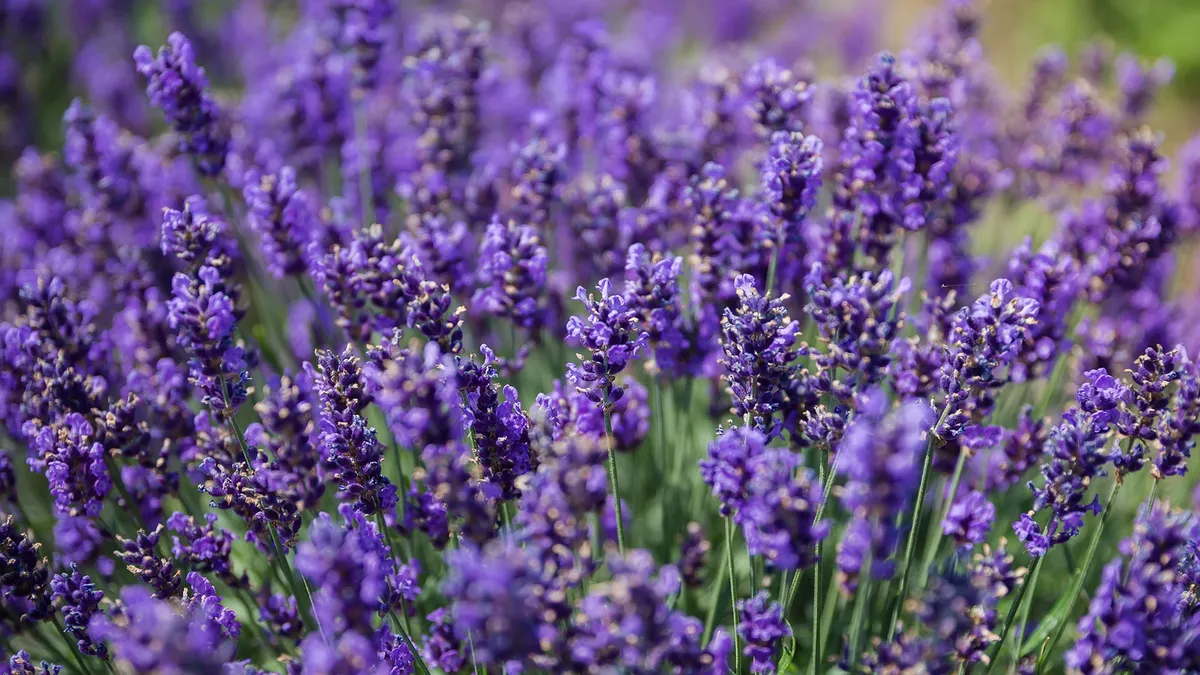
Lavender is a classic porch plant that combines silvery foliage with fragrant purple flower spikes. It’s one of the easiest ways to make an entryway feel more inviting, thanks to its familiar perfume and gentle color. I also think lavender works particularly well as a low-maintenance option because it looks intentional even when slightly unruly, unlike fussier plants that quickly appear neglected.
Once established, lavender is highly drought-tolerant and thrives in hot, sunny spots where many other plants struggle. It also attracts pollinators while naturally resisting many common pests, which means you can positively contribute to the local ecosystem with minimal effort.
How to grow it
Plant lavender in full sun and sharply draining soil, especially if growing in containers. Avoid overwatering, as soggy roots are one of the quickest ways to damage the plant. Trimming lightly after flowering will help maintain a compact shape.
Best for US growing zones: 5–9
3. Sunset hyssop
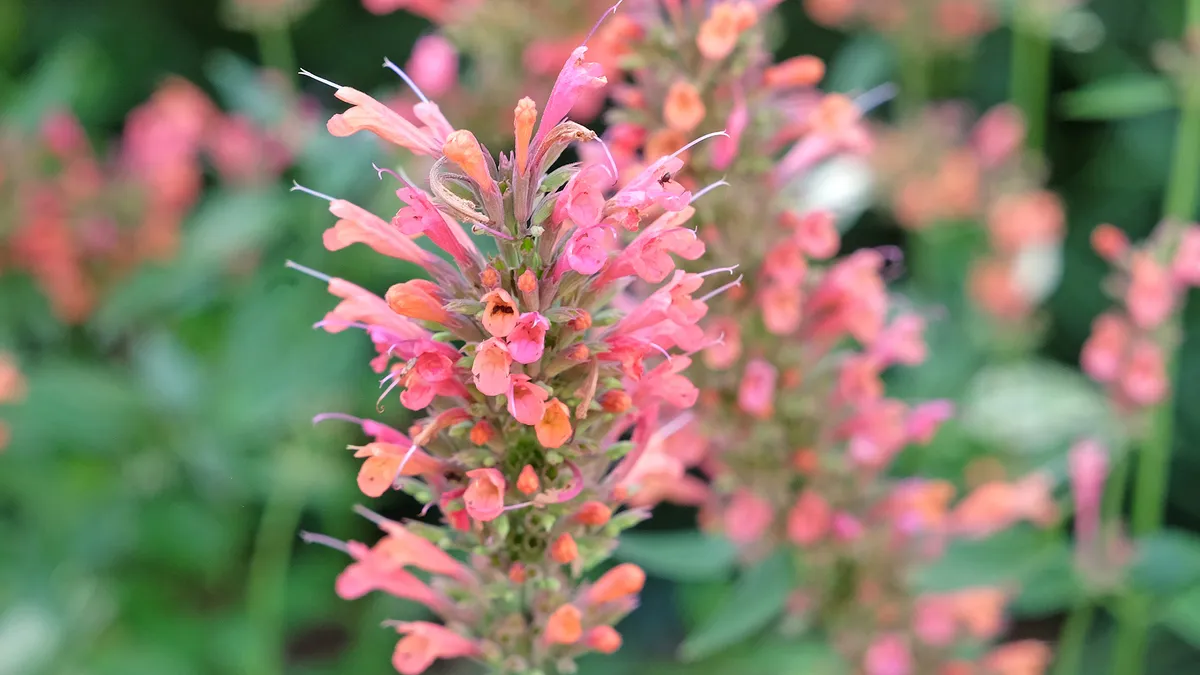
Sunset hyssop is a long-flowering perennial with vibrant coral and orange flower spikes. The blooms bring bold color to porches throughout the summer, while the upright growth habit adds height and structure to containers. You get a lot of impact from a single plant. It’s also excellent for attracting butterflies and hummingbirds, which can make your front yard feel more alive and dynamic.
Daugherty describes sunset hyssop as a plant that “hates attention,” explaining that it thrives in dry, low-nutrient soil and doesn’t need pesticides or constant maintenance. She also points out that it will continue reblooming without deadheading, saving you hours of maintenance.
How to grow it
Grow sunset hyssop in full sun with well-draining soil. It performs especially well in containers because it enjoys hot, dry conditions. Tall planters can help emphasize the vertical flower spikes and make smaller porches feel more layered.
Best for US growing zones: 5–10
4. Boxwood
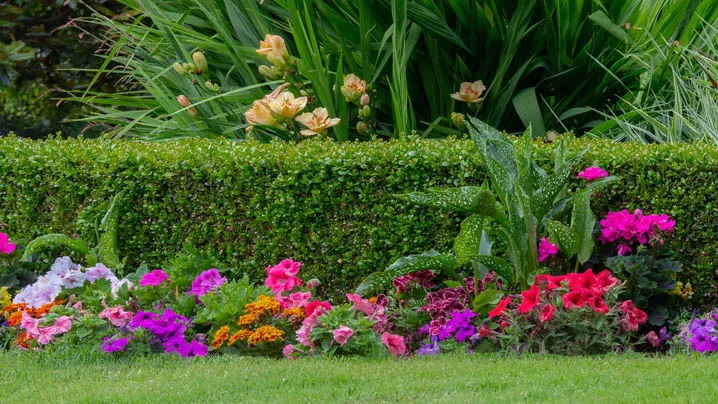
Boxwood is an evergreen shrub prized for its neat shape and year-round structure. While flowering plants come and go through the seasons, boxwood keeps a porch looking tidy and balanced all year. I think it’s one of the easiest ways to create a more expensive-looking entrance, particularly when used symmetrically beside a doorway. Its dense growth naturally creates a clean appearance, and slower-growing varieties require very little pruning to maintain their shape.
How to grow it
Plant boxwood in partial to full sun, in well-draining soil. Water regularly during the first growing season, but established plants are relatively drought-tolerant. If growing in containers, choose large pots that allow room for root growth and help prevent drying out.
Best for US growing zones: 5–9
5. Baptisia (false indigo)
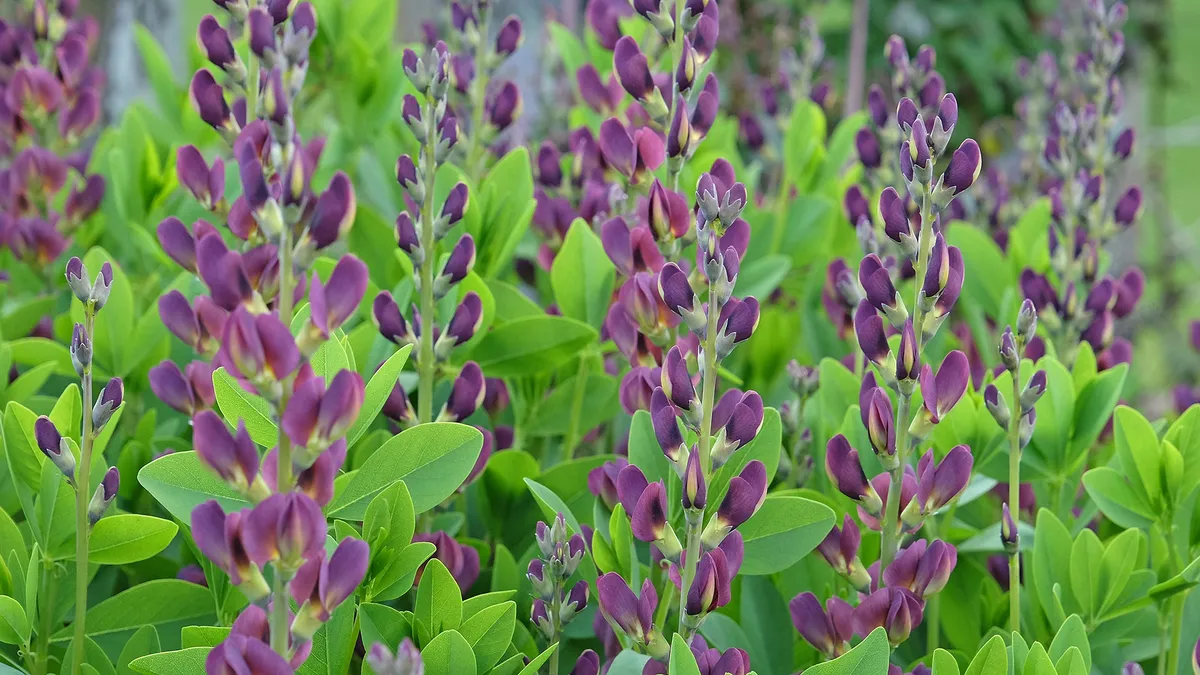
Baptisia is a hardy perennial with tall spikes of blue-purple flowers and attractive blue-green foliage. It has a slightly wild, prairie-style look that feels softer and more natural than formal bedding plants. Even after flowering, the inflated seed pods continue adding interest well into fall and winter.
Daugherty recommends baptisia because it’s extremely long-lived and “doesn’t need fertilizer and will even self-correct nitrogen issues.” She also notes that the dried seed pods create gentle rattling sounds in winter as they feed native birds, adding another sensory element to the garden.
How to grow it
Plant baptisia directly into the ground in full sun, as its deep taproot makes it less suitable for containers. Once established, it requires very little watering or intervention. Give it space from the beginning, since mature plants can become quite large over time.
Best for US growing zones: 3–9
6. Snake plant
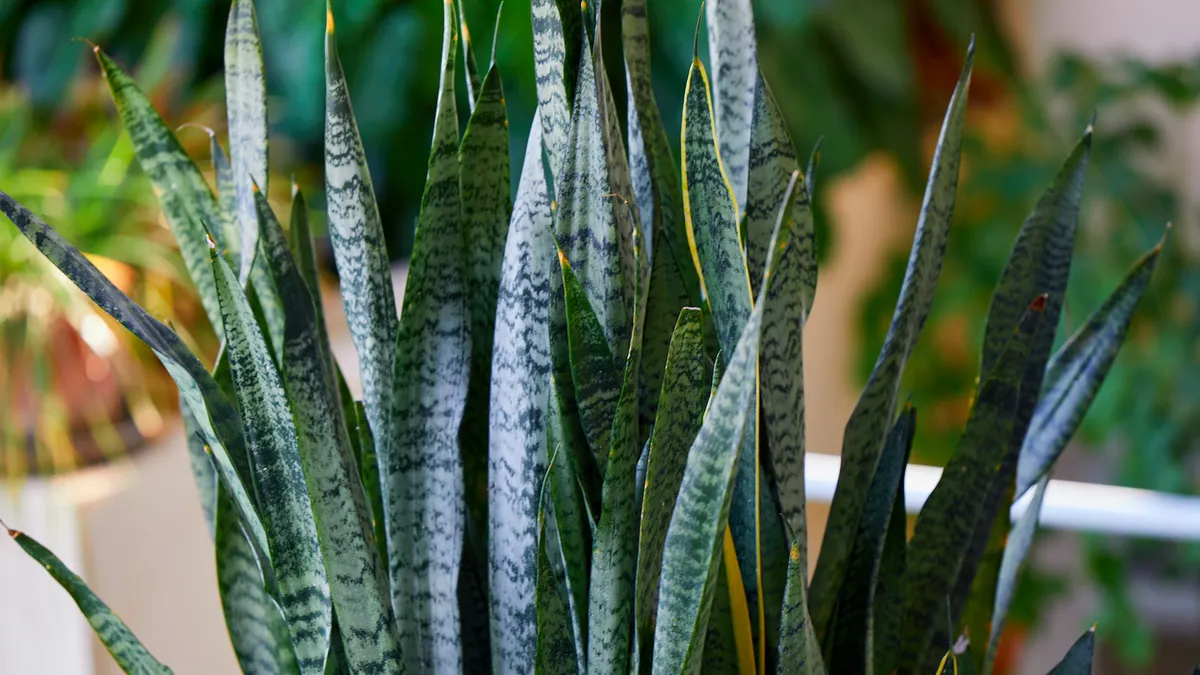
Snake plant is a striking architectural houseplant that also works beautifully on sheltered porches in warmer climates. Its upright, sword-like leaves instantly make a space look cleaner and more modern. If your porch is covered or partially shaded, it’s one of the easiest ways to add greenery without worrying about constant care.
Snake plants are famously tolerant of drought, low light, and missed watering. In fact, they often perform better with a little neglect, which is why they’ve long been popular with people who are new to gardening — or looking for something low-lift.
How to grow it
Place snake plants in containers with well-draining potting mix and avoid overwatering. They prefer bright indirect light but can tolerate lower-light positions. During colder months in cooler regions, bring containers indoors to protect them from frost.
Best for US growing zones: 9–12 outdoors (or any zone as a seasonal container plant)
7. Sedum
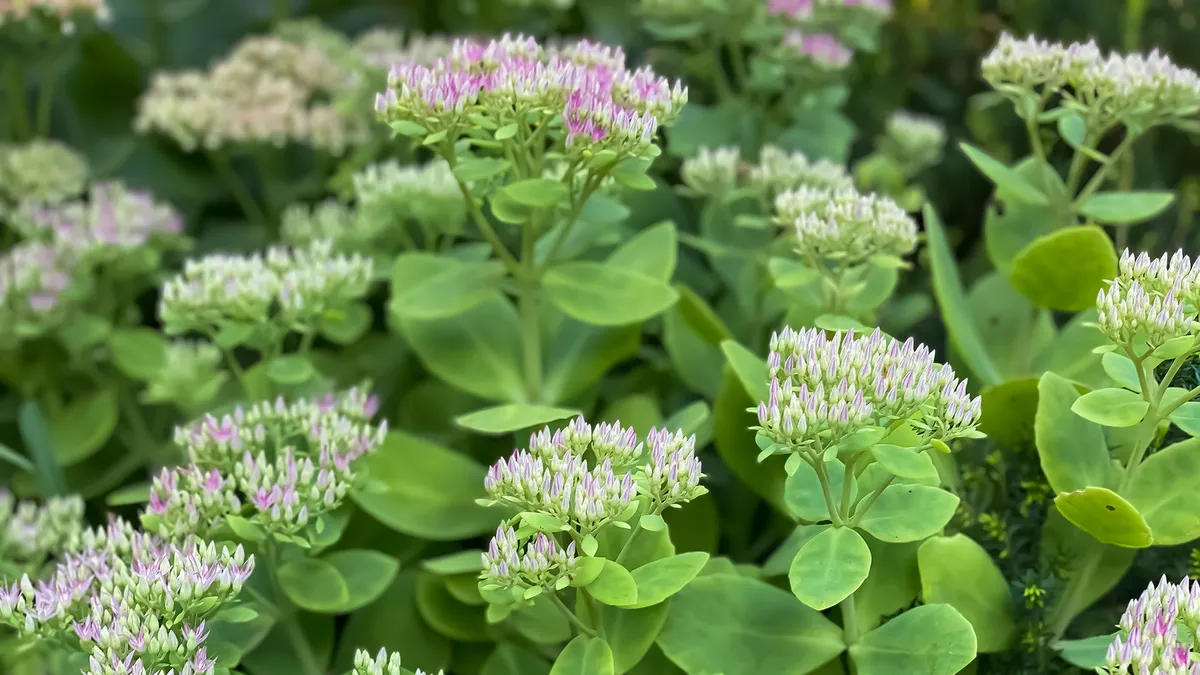
Sedum is a low-growing succulent perennial that thrives in sunny, dry conditions. Its fleshy leaves and clusters of star-shaped flowers add texture to porch planters without demanding much attention. Some varieties spill beautifully over container edges, helping soften hard lines around steps and entryways. Sedum stores water in its leaves, which allows it to tolerate heat and drought with ease. It also stays tidy even during hot weather, when other plants begin to fade.
How to grow it
Plant sedum in full sun with excellent drainage. Avoid overly rich soil, which can lead to weak growth. Water occasionally while establishing, but mature plants typically only need attention during prolonged dry spells.
Best for US growing zones: 3–10
Gardening essentials we love

Follow Tom's Guide on Google News and add us as a preferred source to get our up-to-date news, analysis, and reviews in your feeds. Subscribe to Tom's Guide on YouTube and follow us on TikTok. Finally, you can visit our dedicated Tom's Guide Savings Squad hub for expert help on getting the best products for less.
More from Tom's Guide