







What's the best iPhone right now? The iPhone 18 Pro Max, thanks to its extremely powerful chip, excellent camera, and big, beautiful screen. It's also (for now) the most expensive iPhone you can lay your hands on — so perhaps the more pertinent question is what is the best iPhone for you.
To answer that question, we've tested every single iPhone that Apple has ever released and then made a list of all of them. From there, you can choose the iPhone that best suits your needs and budget.
Why can you trust us? Because Tom's Guide's dedicated phone reviews team has more than 50 years of combined experience, you know you're getting the best advice possible. So let's find the best iPhone for you.

I'm the senior editor for mobile at Tom's Guide, where I've been working since 2023. I've been covering mobile tech for 17 years in total, starting with old school feature phones and early smartphones powered by Palm OS and Windows Mobile. I'm a New Jersey native and keep up with the latest mobile tech.
The best iPhone overall
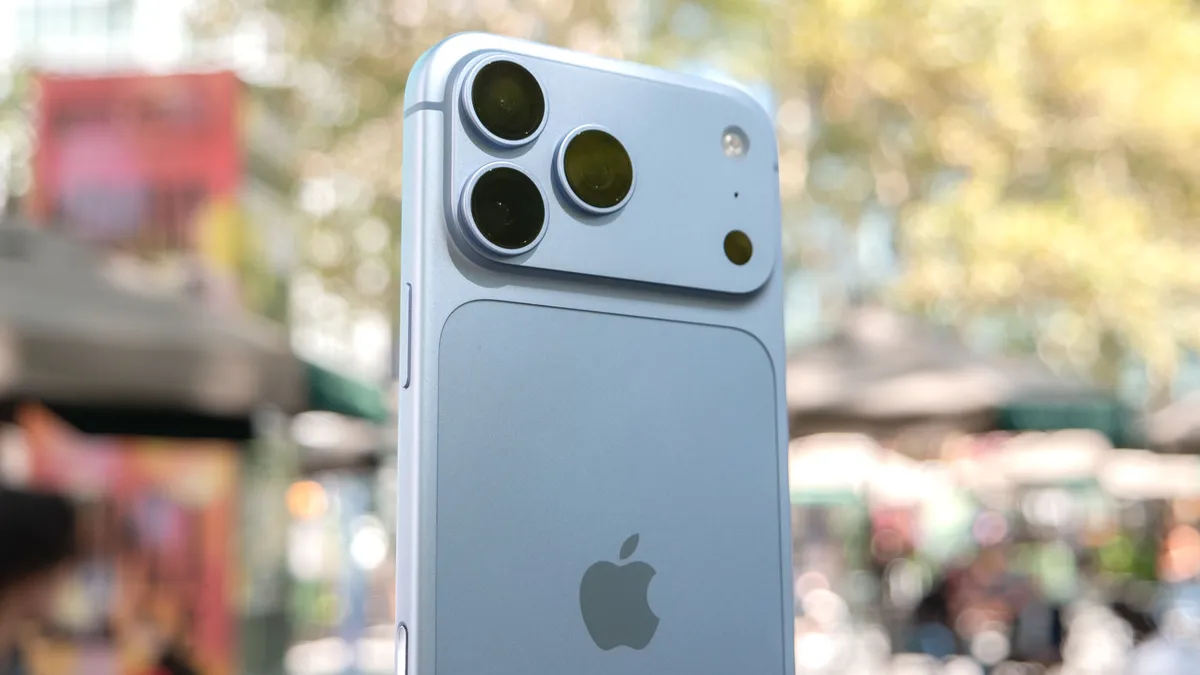

Who should get the iPhone 18 Pro Max: Those who want the best specs to brag about — the most powerful chip, the best camera, the biggest screen and the best battery life
What we think about the iPhone 18 Pro Max: For the time being, the iPhone 18 Pro Max continues to be the shiniest part in Apple’s already very shiny crown. It’s filled to bursting with the best features, from the A20 Pro chip to make sure everything is buttery smooth to the biggest battery that means you go longer between charges. But there are a range of different improvements here to make sure that the Pro Max’s seat at the top is ever harder to dislodge.
We’ve got much the same design as the outgoing 17 Pro Max, but we don’t think that’s any bad thing. The aluminium chassis with colored anodizing still looks excellent and feels premium in hand. The divisive camera bar remains, but it still leaves more space for a bigger battery. There are some subtle differences to keep an eye out for, including a smaller dynamic island for more screen real-estate, and there are some minor cosmetic changes to the camera.
The biggest camera change is a variable-aperture lens that adjusts to light levels for more detail and better color. The results are staggering, with our photos showing more detail to text in images and much brighter colors. Apple’s already good low-light performance is now even better, beating out the competition handily. We still fall short in zoom photography, with the Samsung Galaxy S26 Ultra still doing a better job with far-away subjects.
There’s more battery life here as well. We got an extra 30 minutes over the 17 Pro Max, making this a phone that needs charging far less than its nearest Google- and Samsung-flavored rivals. It’s now the longest-lasting iPhone we’ve ever tested, only losing out to OnePlus's frankly ridiculous performance with the OnePlus 15.
The new A20 Pro chip is by far the most powerful mobile chip we’ve tested so far. It dusted everything else around, making it spectacular for a range of different uses. Whether you’re playing the latest graphically intensive games or doing some video editing on the go, the A20 Pro kept everything running very smoothly during our testing with no slowdown or hang-ups at all.
Even better? It doesn’t get hot — the iPhone 18 Pro Max stayed cool no matter what we threw at the phone, only warming up slightly when charging or doing something particularly intensive. It charges fast too, filling up to 77% from empty in 30 minutes. That’s speedy.
If you’re still wielding an iPhone 17 Pro Max, then you’ll likely not find any reasons to upgrade to Apple’s latest and greatest. For everyone else, this is the one to buy.
- Read our full iPhone 18 Pro Max review
A more affordable iPhone

Who should get the iPhone 17: Anyone who appreciates an affordable flagship that comes packed with features.
What we think about the iPhone 17: Probably the most impressive thing about the iPhone 17 is what didn't change: its starting price. Apple still charges $799 for its base model flagship phone. But there's not much else this new model shares with the iPhone 16.
For starters, you now get 256GB of storage for that $799 starting price, not the 128GB on the iPhone 16. That's more space for storing photos, songs and whatever other files you want to have on hand. You get a bigger screen, too, and Apple has finally brought a fast-refreshing Pro Motion display to this model.
Scrolling and gaming look much smoother on the iPhone 17's 6.3-inch screen, making it feel like a more premium device, even as the price remains unchanged. We've knocked Apple for not offering fast-refreshing displays, especially as cheaper phones have supported the feature, so it's good to see an adaptive refresh rate extend across the entire iPhone 17 lineup.
The upgrades continue with a new 48MP ultrawide camera on the back of the iPhone 17 and an 18MP Center Stage camera up front. The former camera produced some detailed shots in our testing, while the latter is smart enough to adjust the orientation of the picture — landscape or portrait — depending on how many people are in the shot. I'm particularly impressed with how well the iPhone 17 continues to handle low-light photos, too.
But there's one area of disappointment — the iPhone 17 has no dedicated telephoto lens, putting it at a disadvantage against the likes of the Pixel 10 and Galaxy S25. As acceptable as the cropped-in 2x photos captured by the iPhone's main camera look, it doesn't hold up in my iPhone 17 vs Pixel 10 Pro zoom shoot-out.
Still, that's one of the few downsides to a phone that's otherwise packed with updates and upgrades. And with the iPhone 17 not seeing price hike, it's a better value than ever.
Note: Comments made by Apple's Craig Federighi suggest that the iPhone 17, despite being part of the latest iPhone generation, may not get all of iOS 27's upgrades.
- Read our full iPhone 17 review
A more affordable iPhone Pro


Who should get the iPhone 18 Pro: You want the epic power and premium features of Apple’s flagship but don’t want the larger size of the Pro Max model.
What we think about the iPhone 17 Pro: There was a time when the iPhone Pro and Pro Max models had more distinctive differences. Those days are no longer, with only screen and battery life separating the two devices — well, apart from a $100 dearth in price. And at this point, unless you really want the smaller screen for smaller pockets or fingers, the $100 is really hard to justify saving.
The battery life is the highlight here, with almost an extra hour on the old model. We got a shade under 16 hours and 20 minutes, only a little less than the larger Samsung Galaxy S26. It charges up quickly, reaching the same 0-77% in 30 minutes as the iPhone 18 Pro Max. Those are battery specs to envy, considering the smaller size of the handset.
We also retain last year's design, although the Dynamic Island has been shrunk so that you’ve got more usable screen on the front. That also means we get the significant camera upgrade from the 18 Pro Max as well, with the variable aperture lens increasing photo quality across the board. Apart from zoom photos. They’re still not as good as the competition from Samsung and Google.
The A20 chip is powerful and speedy, perfect for some games on the go — although if you want to do some light video and photo editing, you might be better off with the larger screen and bigger battery life of the Pro Max.
Look, I really like how the smaller handset feels in hand (it's easier to reach across, for one), but the extra battery life and flexibility of the Pro Max are hard to ignore — especially because the price difference is still only $100. That’s forgetting the already annoying $100 price bump that Apple has brought to both devices this year.
If you want something easier to use with one hand but still want the best specs and camera, then the iPhone 18 Pro is a great option. But you will likely look at the extra screen and battery life of the Pro Max with jealous eyes when you see someone wielding one in the wild.
- Read our full iPhone 18 Pro review
Best iPhone design

Who should get the iPhone Air: People who want the thinnest iPhone possible and don't mind giving up some features for a slender device.
What we think about the iPhone Air: Apple set out to make a thin device when it designed the iPhone Air, and boy, has the company delivered. Reviewing the Air, Mark Spoonauer sometimes forgot the device was in his front pocket — it's that unobtrusive.
But don't confuse the ultra-thin, ultra-light iPhone Air for a fragile device. Like the other iPhone 17 models, the Air features a new Ceramic Shield 2 material that's more scratch resistant than before. And when Mark tried bending the phone at Apple's invitation, it more than held its shape. This is a durable device, even if it weighs a mere 5.82 ounces.
The iPhone Air inevitably invites comparisons to Samsung's attempt at an ultrathin phone — the Galaxy S25 Edge. Apple's phone is thinner — 5.64mm to the Edge's 5.8mm profile — and the A19 Pro silicon inside the iPhone Air outperforms the S25 Edge's Snapdragon chipset. But the Edge has two rear cameras to the lone 48MP sensor on the iPhone Air. (Our iPhone Air vs. Galaxy S25 Edge face-off goes into greater detail on how the devices measure up.)
While the camera on the iPhone Air performs well, with colorful shots and detailed low-light images in our tests, it represents one of two big compromises you have to make for the thinner design. There's no ultrawide camera and you have to rely on the Air's main lens for zoom shots. You also miss out on some video formats like Cinematic mode that are standard on the iPhone Pro models.
There's also not as much room in the iPhone Air for a battery, and while the 12-hour time the phone turned in during our testing is above average for a smartphone, it's the shortest time of any of the new iPhone 17 models. You may have to charge up the phone during the day if you opt for the iPhone Air. My colleague Richard Priday goes into further detail about this and much more in his iPhone Air vs iPhone 17 face-off.
The iPhone Air definitely feels like the future, with its design hinting at what future iPhones might look like. You'll certainly be on the cutting edge of design with this model, but you'd be giving up some of the functionality that comes with other iPhones in Apple's lineup.
- Read our full iPhone Air review
Cheapest iPhone with Apple Intelligence

Who should get the iPhone 17e: The iPhone 17e is the ideal choice for budget-conscious buyers upgrading from an older device who want a modern iOS experience with significant storage and MagSafe support without paying flagship prices.
What we think of the iPhone 17e: The iPhone 17e is the device the iPhone 16e should have been from the very beginning. It finally offers a compelling entry-level package by fixing the major omissions of its predecessor, specifically by adding MagSafe support and doubling the starting storage. While it isn't a revolutionary leap, it provides a much more refined and valuable experience for those shopping in the $599 price range.
Value is one of the strongest arguments for this phone, as Apple has kept the price steady at $599 while significantly increasing the specs. By offering 256GB of base storage, the 17e doubles the capacity of the previous model at no extra cost. This change alone makes it a far more practical choice for modern users who frequently take high-resolution photos and download large apps.
In terms of design, the iPhone 17e sticks to a familiar formula with its notched display, flat edges, and rounded corners. While it doesn't adopt the Dynamic Island found on more expensive models, it does receive a durability boost with the new Ceramic Shield 2 front cover. This upgrade reportedly offers three times better scratch resistance, ensuring the phone can handle daily wear and tear more effectively than before.
The most notable functional addition is MagSafe connectivity, which was a glaring omission on the previous budget model. This allows users to take full advantage of a vast ecosystem of magnetic chargers, wallets, and car mounts. It bridges a major feature gap between the entry-level model and the rest of the iPhone 17 lineup, making the "e" model feel like a first-class citizen in the Apple ecosystem.
Performance is a major highlight, as the iPhone 17e is powered by the same A19 chip found in the standard iPhone 17. This ensures that the phone remains a performance leader at its price point, delivering snappy responsiveness and impressive gaming capabilities. Benchmarks show a significant jump in graphics performance over the previous generation, making it more than capable of handling intensive titles like Diablo Immortal.
However, the display remains one of the few sticking points for the device. While the 6.1-inch panel produces rich colors and excellent viewing angles, it is still limited to a 60Hz refresh rate. In a market where many budget Android competitors offer 90Hz or 120Hz displays, the animations on the iPhone 17e can feel less fluid by comparison.
The camera system features a 48MP main sensor that captures excellent detail and produces impressive portrait photos with natural-looking bokeh. While it takes great shots, the review notes that there are no major hardware improvements over the iPhone 16e. It remains a reliable single-camera setup that handles everything from selfies to low-light architecture well, though it lacks the versatility of a dedicated telephoto or ultrawide lens.
Finally, battery life remains solid but slightly shorter than its predecessor, lasting 12 hours and 35 minutes in testing. Despite this slight dip, it remains a strong budget contender that balances performance and longevity. Ultimately, the iPhone 17e is a highly recommended budget phone that finally stops compromising on the features that matter most to the average user.
Note: Non- iPhone 17 Pro or iPhone Air models may not get all of iOS 27's upgrades, which could make the gap between the iPhone 17e and the Pro/Air models even larger.
- Read our full iPhone 17e review
Best iPhone discount
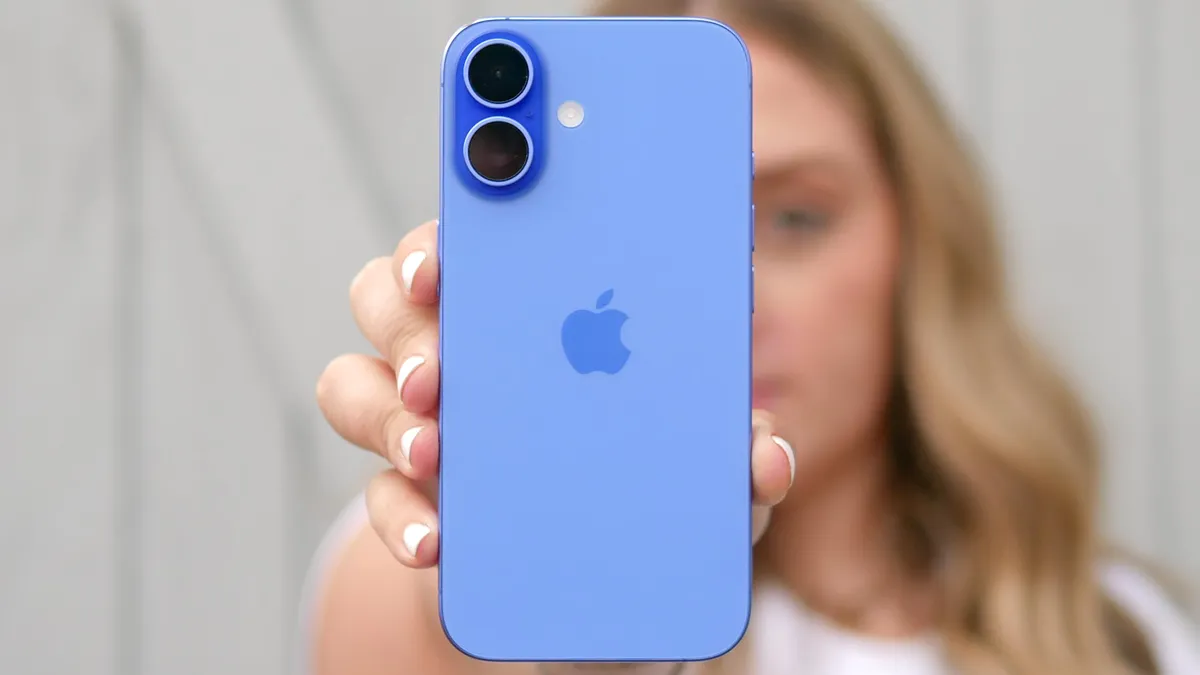
Who should get the iPhone 16: If you're not impressed by the iPhone 17 updates, this model is available at a discount.
What we think about the iPhone 16: The flurry of additions Apple made to the iPhone 17 make the iPhone 16 a tougher sell — especially since the new model offers double the storage for what had been the iPhone 16's old starting price. But some people can't pass up a discount, and for them, the now $699 iPhone 16 offers a cheaper (if not the cheapest way) to get an Apple Intelligence-ready phone.
Since Apple didn't add AI-specific features to the iPhone 17 lineup, the iPhone 16 would offer the same software experience, especially since it runs iOS 26. So that's something you wouldn't have to sacrifice to enjoy the iPhone 16.
You won't get the upgraded ultrawide camera that comes with the iPhone 17, but Apple did make improvements to the iPhone 16's camera setup a year ago, letting you take macro photos with the ultrawide lens. The results look pretty detailed to my eye. The iPhone 17's A19 chipset is a better performer, but the A18 powering the iPhone 16 is no slouch, and battery life gains weren't substantial year over year.
Our iPhone 17 vs. iPhone 16 comparison details all that's different between these two models. And it can help you figure out if saving $100 off the cost of the newest iPhone is worth it.
- Read our full iPhone 16 review
More screen for less

Who should get the iPhone 16 Plus: Big-screen phone fans who appreciate the lower price on the older Plus.
What we think about the iPhone 16 Plus: Like the iPhone 16, the iPhone 16 Plus remains a part of Apple's lineup at a reduced price. Unlike the iPhone 16, there's no new model to compare the Plus to — Apple replaced this model with the iPhone Air.
That leaves the iPhone 16 Plus as the remaining big-screen option for people who don't want to pay up for the $1,199 iPhone 17 Pro Max. The iPhone Air costs more than the now-$799 iPhone 16 Plus and its 6.5-inch panel isn't as big as the 6.7-inch screen on Apple's older phone. Sadly, the iPhone 16 Plus still has that 60Hz refresh rate, and not the 120Hz adaptive rates featured on the newer models.
I find the 6.7-inch OLED panel on the iPhone 16 Plus plenty big for watching videos, playing games and serving a view finder when I'm taking photos. The cameras also perform well, and there's a lot of room inside for a long-lasting battery. The iPhone 16 Plus lasts much longer on our battery test than both the iPhone 17 and iPhone Air.
If a big screen and big battery life are high on your wish list, the iPhone 16 Plus looks a lot more compelling even if it isn't the latest and greatest iPhone model.
- Read our full iPhone 16 Plus review
How we test iPhones
As with any smartphone we test at Tom's Guide, we evaluate iPhones for days in real-world use cases. We also benchmark Apple's phones using a gamut of performance-measuring apps that allow us to compare iPhone performance to what Android devices are capable of.
In addition to synthetic benchmarks, we also run real-world tests, including a video transcoding test in Adobe Premiere Rush that compares the iPhone's processing speed with other devices.
| Row 0 - Cell 0 | Geekebench 6 score (single-core/multicore) |
3DMark Solar Bay Unlimited (frames per second) |
iPhone 18 Pro Max |
4,735 / 12,800 |
61.93 |
iPhone 17 |
3,701 / 9,460 |
39 |
iPhone 18 Pro |
4,735 / 12,800 |
61.93 |
iPhone Air |
3,723 / 9,665 |
29.5 |
iPhone 16e |
3328 / 8132 |
19 |
iPhone 16 |
3301 / 8033 |
25.8 |
iPhone 16 Plus |
3302 / 8042 |
26.2 |
In our lab, we use a light meter to ascertain display quality data, like brightness and color accuracy to help us evaluate the display of the best iPhones.
| Row 0 - Cell 0 | Brightness (HDR) |
Color (DCI-P3) |
Accuracy (Delta-E) |
iPhone 18 Pro Max |
2,326 nits |
77.6% |
0.26 |
iPhone 17 |
1,505 nits |
80.2% |
0.20 |
iPhone 18 Pro |
2,314 nits |
80.2% |
0.23 |
iPhone Air |
1,678 nits |
77.6% |
0.27 |
iPhone 16e |
1,028 nits |
90.2% |
0.26 |
iPhone 16 |
1348 nits |
79.5% |
0.27 |
iPhone 16 Plus |
1458 nits |
79.4% |
0.25 |
Our proprietary battery test determines longevity on a charge by endlessly streaming webpages over an LTE network; we then recharge the iPhones to see how quickly they charge in 15-minute intervals.
| Row 0 - Cell 0 | Battery life (Hrs:Mins) |
iPhone 18 Pro Max |
18:27 |
iPhone 17 |
12:47 |
iPhone 18 Pro |
16:17 |
iPhone Air |
12:02 |
iPhone 16e |
12:41 |
iPhone 16 |
12:13 |
iPhone 16 Plus |
16:29 |
To compare cameras, we take any iPhone we review out and shoot photos in a variety of settings. We also bring along a comparable smartphone to see how the iPhone's photographic output measures up.
We explore Apple's iOS improvements, test gaming performance and evaluate the phone's speakers — and each of these factors play a part in our final verdict.
iPhone 17 models compared

If you need more help trying to sort out all the different iPhone 17 models, here's a breakdown on how each phone compares in terms of specs.
iPhone 17 |
iPhone Air |
iPhone 17 Pro |
iPhone 17 Pro Max |
|
Starting price |
$799 / £799 / AU$1,399 |
$999 / £999 / AU$1,799 |
$1,199 / £1,199 / AU$2,099 |
$1,299 / £1,299 / AU$2,299 |
Display |
6.3 inches |
6.5 inches |
6.3 inches |
6.9 inches |
CPU |
A19 |
A19 Pro (5-core GPU) |
A20 Pro (6-core GPU) |
A20 Pro (6-core GPU) |
Storage |
256GB, 512GB |
256GB, 512GB, 1TB |
256GB, 512GB, 1TB, 2TB |
256GB, 512GB, 1TB, 2TB |
Rear cameras |
48MP main, 48MP ultrawide |
48MP main |
48MP main with variable aperture, 48MP ultrawide, 48MP telephoto w/4x optical zoom |
48MP main with variable aperture, 48MP ultrawide, 48MP telephoto w/4x optical zoom |
Front camera |
18MP |
18MP |
18MP |
18MP |
Colors |
Lavender, Sage, Mist Blue, White, Black |
Sky Blue, Space Black, Cloud White, Light Gold |
Black, Silver, Glacier, Burgundy |
Black, Silver, Glacier, Burgundy |
Battery life (rated) |
30 hours |
27 hours video |
33 hours video |
39 hours video |
Size |
5.89 x 2.81 x 0.31-inches (149.6 x 71.5 x 7.95mm) |
6.2 x 2.9 x 0.22 inches (156.2 x 74.7 x 5.64 mm) |
5.9 x 2.8 x 0.34-inches (150 x 71.9 x 8.75mm) |
6.4 x 3.0 x 0.34-inches (163.4 x 78 x 8.75mm) |
Weight |
6.24 ounces (177 grams) |
5.82 ounces (165 grams) |
7.44 ounces (211 grams) |
8.78 ounces (249 grams) |
Best iPhones: Frequently Asked Questions
When will the next iPhones come out?
During Apple's "Surprise and Shine" Event, we now have the iPhone 18 Pro and 18 Pro Max, along with the all-new foldable iPhone Duo.
Now, the next iPhones to expect are the base iPhone 18 and iPhone 18e, which are expected to launch in early 2027. This marks a major change in Apple's launch strategy.
Which iOS version do the best iPhones run?
Goodbye, iOS 18 — hello, iOS 26. And now, you didn't sleep through eight years of iPhone software updates. Apple changed its software naming convention to move away from version numbers and toward release years.
iOS 26 launched on September 15, and we're expecting more updates throughout the remainder of 2025. As you'll see in our iOS 26 review, the biggest change has been a new interface called Liquid Glass, but there are other additions to existing apps and a few updated Apple Intelligence features.
iOS 26 has proven to be divisive, in part because of the interface changes — I admit I'm still getting used to Liquid Glass — and also because users who've upgraded have reported a dip in battery life. That's somewhat typical of iOS updates, though, and usually it's an issue that gets worked out by the time an updated version arrives.
How can I save money on an iPhone purchase?
These days, a lot of iPhone deals require you to trade in your current device to get a rebate that you can apply to the cost of your new phone. Buy one of the new iPhone 17 models directly from Apple, and you can get between $40 and $700 in credit when you trade in an older device. The more recent your phone, the higher the trade-in value.
If you buy the base model iPhone unlocked from Apple, you need to tack another $30 onto your cost — in other words, an unlocked iPhone 17 sells for $829 at Apple. That extra fee doesn't apply to the iPhone 17 Pro, iPhone 17 Pro Max or iPhone Air.
How to choose the best iPhone for you
When shopping for an iPhone, take stock of the features and capabilities that matter most to you. If battery life is especially important, seek out a larger iPhone, as they tend to have bigger batteries to match their screen size. What's more, because iOS is known to be generally efficient in terms of energy consumption, even the smaller models tend to last longer than average on a charge.
If you're basing your next iPhone purchase off camera quality, the top-tier Pro variants are easy recommendations, thanks to triple-lens designs that allow you to capture multiple different perspectives, from zoomed-out ultra-wide-angle images to shallow depth-of-field portraits. They're also remarkably good in challenging lighting scenarios, like when shooting in a dimly lit indoor space or outdoors at night.
All that said, if price is king, and saving the absolute most on your next smartphone purchase is your top priority, you should have no reservations about nabbing either the latest iPhone e-series model or an older iPhone with a lower price tag.
They may be on the cheaper side of Apple's range, but they're still made of flagship-quality materials, with enough power and performance to sustain years of use. iOS software updates, which are available to every model at the same time, generally provide five years of support, adding to the value of older models.
