
If you haven't heard of the "McGill Big 3," kettlebell instructor Zack Henderson recommends trying these exercises to build core stability and strength.
The McGill Big 3 are foundational stability exercises that help reduce back pain by strengthening the muscles that help protect your spine and pelvis. Created by Dr. McGill, a biomechanics professor and spine expert, they can build endurance and protect the lower back without the repeated lumbar flexion involved in exercises like sit-ups.
Check them out below, along with some benefits and step-by-step instructions.
The McGill 'big 3'
"The McGill Big 3 consist of three exercises that build core strength and low back stability," Henderson says. "They include the McGill curl-up, side plank, and bird-dog. By including these core exercises in your warm-up, you'll effectively prepare and stabilize your hips, back and core for heavy compound lifts like squats and deadlifts. Many lifters perform the McGill Big 3 exercises to prevent and fix low back pain."
Here's how to do each of them:
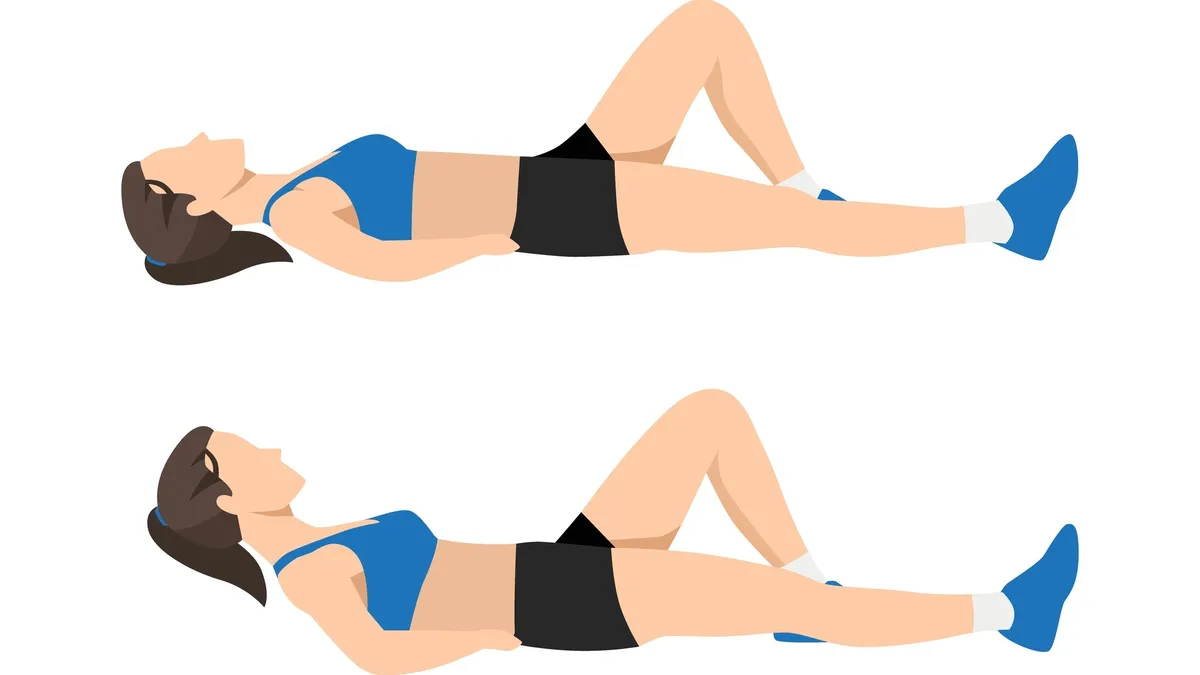
- Modified curl-up: Lie on your back with one knee bent and the other leg extended down your mat. Slide your hands under the lower back to help maintain a natural spine. With control, slowly raise your head, neck and shoulders away from the ground — avoid momentum, crunching, or tucking your chin. Hold for roughly 10 seconds, then slowly release down.
- Side plank: Lie on one side, resting on your forearm. You can stack your legs straight or place your bottom knee down for support. Lift your hips, creating a straight line from head to toes. Hold for 10-30 seconds while bracing your core and pressing away with your shoulder. Avoid dropping your hips.
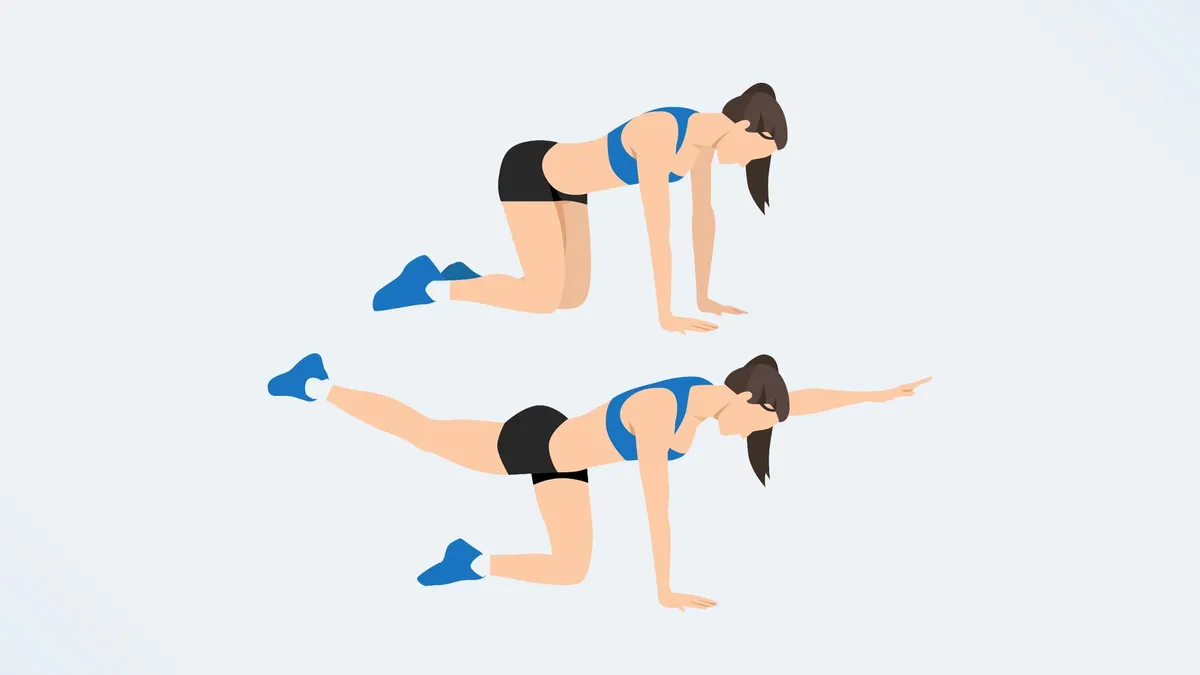
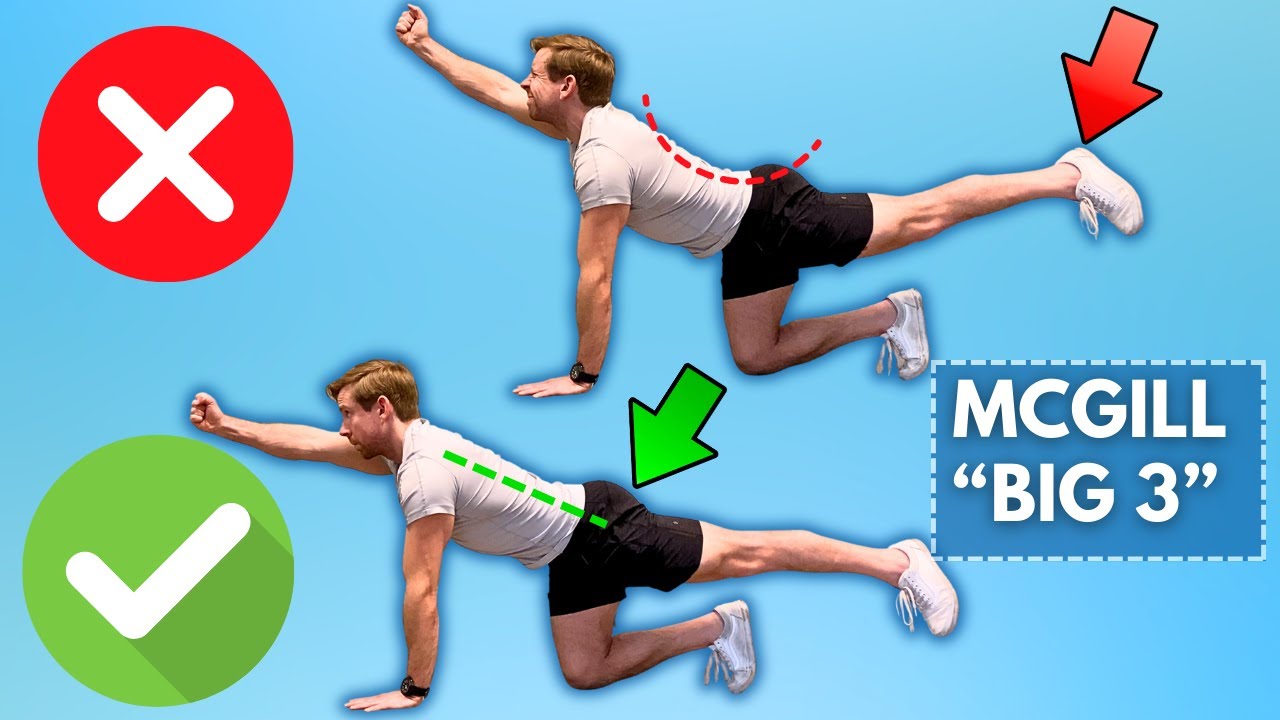
- Bird-dog: Start in a tabletop position. Keep your spine neutral and engage your core. Slowly extend one arm forward and the opposite leg backward without rotating your hips. Extend only to shoulder and hip height, pause, then lower and switch sides.



Try not to rush your reps and aim for around 10 seconds of contraction time per rep per move. You can also perform these regularly before workouts, every morning, or just a few days per week. These moves should form part of a wider program to fill the gaps rather than being your sole focus.
The idea is to focus on bracing, activation and contraction rather than high reps or speed. Focus on the quality of your movement patterns using the cues above to help.
Henderson describes the curl-up as a "bit of a misnomer" because there are no actual curling motions required. Instead, you'll use your core muscles to lift your upper back and head away from the ground, then pause. It builds bracing skills and strength endurance in the rectus abdominis, or abs, while maintaining a neutral spine, which is something you can't do during sit-ups.
You don't want your lumbar spine (lower back) pressing into the floor, so Henderson adds that your hands act as "pressure sensors" to help you position your pelvis properly. Remember to tighten your abs on the exhale as you lift your upper back. Start with pulses, then try to hold.
Henderson also gives you some small progressions in the video above to make this more challenging. And remember, breathe and try to avoid flexing your spine, including your neck.
Henderson says McGill likes to use a pyramid rep scheme, such as 3 reps per move, then 2, then 1, holding for at least 10 seconds every rep, every move.
Side planks can be performed with one or two knees bent or legs extended and stacked for more challenge. Keep your hips square and press away with your bottom elbow to lift through your torso. This move is great for developing oblique strength while keeping your spine neutral, which are muscles that assist with rotation and lateral motion.
Again, Henderson gives you options to progress, like adding a rolling motion to add rotation. Engage your core, lats and glutes.
Finally, the bird-dog works the back extensors with minimal spinal motion. Engage your abs, glutes and quads. Avoid arching your spine and try to push away with your hands as you extend your shoulders and hips. You can add crunches beneath your body or draw squares with your body, as Henderson shows, to progress the move.
Follow Tom's Guide fitness on Instagram for more workouts, routines, tips, and tricks.

Follow Tom's Guide on Google News and add us as a preferred source to get our up-to-date news, analysis, and reviews in your feeds. Alternatively, you can read our content on the Tom's Guide app available now for iOS and Android. Subscribe to Tom's Guide on YouTube and follow us on TikTok.
More from Tom's Guide
- I teach people how to be more mobile: 3 low-impact back and shoulder moves that build stability and strength after 40
- I teach people how to be strong and mobile: this is the one exercise I regret ignoring for years
- I teach people over 50 to be mobile: 3 low-impact moves that build more stability than a 30-minute walk