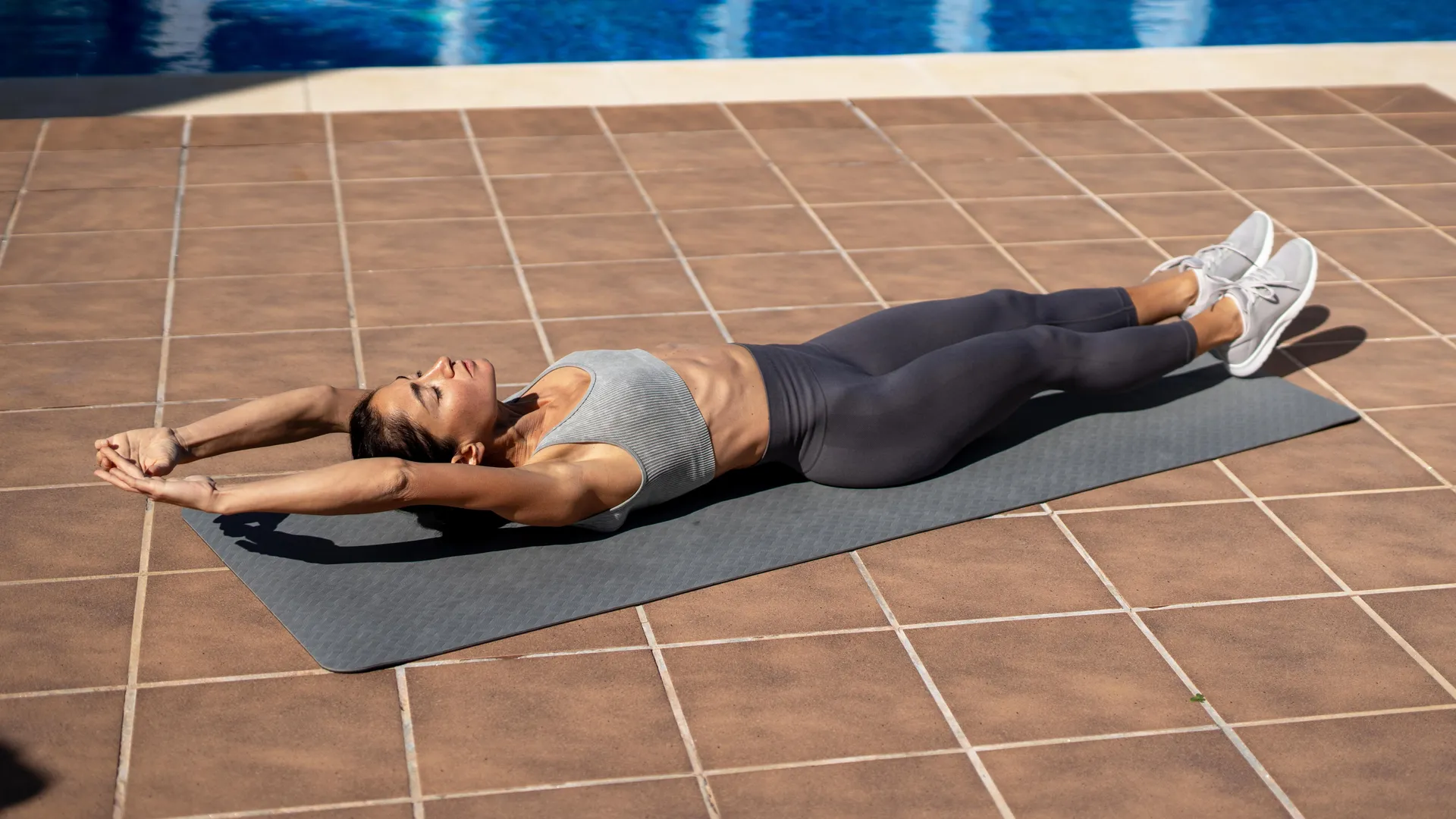
It's been a few years since I added a regular core practice to my training routine, and I've never looked back. For example, Pilates has built my core muscles to be the strongest, most stable, and most enduring they've ever been, compared with heavy weightlifting, yoga and CrossFit.
One of the best core exercises that really blasts my deeper core muscles is the McGill curl-up, which is a modified curl-up you might see featured in Pilates or other abs workouts. This looks simple, but it protects your lower back while targeting the deep stabilizer muscles in your core. Read on to learn more.
As a reminder, this exercise is beginner-friendly, but what works for my body might not be right for you. If you’re a beginner, pregnant or postpartum, or you’re dealing with an injury, it’s always best to seek personalized advice from an expert, as I did for this curl-up variation.
What is the exercise?
Any move that teaches you to create, maintain, and control tension in your core muscles is an exercise worth knowing. So, rather than peddling out endless sit-ups, why not try McGill curl-ups?
The exercise should produce little motion. Try to hold for at least a few seconds at the top with your neck neutral while breathing expansively through your core as you brace. Avoid letting your hip flexors take over the exercise. If you're unsure what "bracing" means, I teach you how to engage your core properly with a 5-minute bracing routine.
Below, I have included a demonstration from the guys at McEvoy Movement Clinic.
Here’s how to do the McGill curl-up with good form.
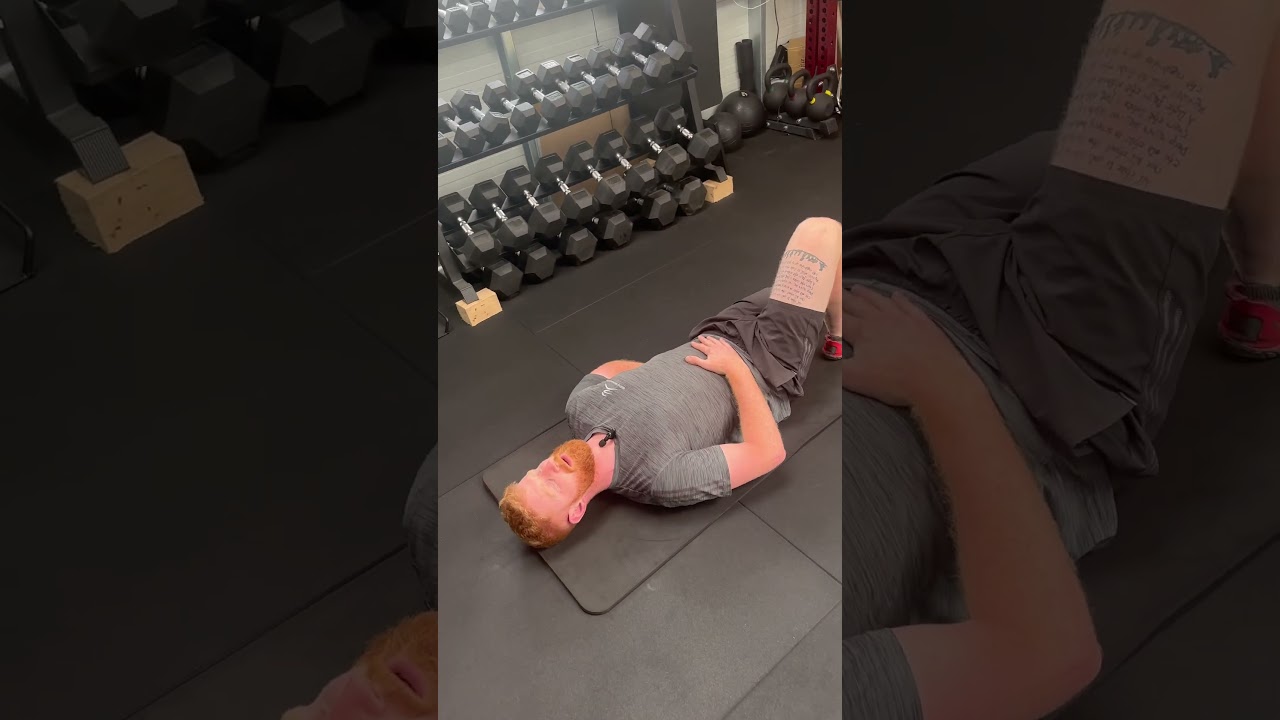
- Lie on your back with your legs bent and feet planted, then extend one leg down onto the mat. If you leave your right knee up, place your right hand on your stomach; if you leave your left knee up, place your left hand on your stomach
- Place the other hand beneath the natural arch of your lower back
- Press your lower back into your hand toward the mat beneath you
- With control, peel your shoulders away from the mat and lift your chest upward toward the ceiling, keeping your chin tucked and gaze ahead. Your back should be straight rather than sitting all the way up and forward like a sit-up or crunch
- Contract your core muscles as much as possible throughout. Pause at the top, then slowly lower your back to the mat again.
If you feel your lower back lifting away from your hand, it’s a sign you’re not properly engaging your core as much as you think — draw your belly button toward your spine and zip your abs up and in.
Are curl-ups good for the back?

Here’s what it’s doing to your body:
Targeting your core with less impact
McGill curl-ups, or modified curl-ups, are much friendlier for your lower back than moves like sit-ups, as your lower back is supported and you are not moving through any extreme range of motion, like hyperextension or flexion, or spinal compression. This move also teaches you to control and strengthen, which is great for overall core strength.
Maintaining the natural curve of the spine
Your hand position means the spine can maintain its natural curve, and you can neutralize the spine more, rather than just pressing down into the mat.
There's some debate about where your gaze should land; some encourage a chin tuck with the gaze ahead, others teach to keep the neck neutral and gaze up toward the ceiling. Your head, neck and shoulders should lift together, though, creating one straight line, and there shouldn't be tension in the neck.
Teaching core control
Your core is made up of different muscles. Sit-ups and crunches target the outer “six-pack” muscles; your deep transverse abdominis muscles are your body’s natural corset, keeping your torso stable and protecting your spine, for example.
During the McGill curl-up, try to contract your abdominals and hold for at least a few seconds, up to 10 seconds, as you breathe with your stomach, rather than your chest.
Slowly lift; this might even just be a few inches away from the mat, and you can also rest on your elbows and use both hands behind your back if you need to. Try to relax after every rep. This builds functional strength and teaches you to brace during other core exercises or when playing sports or lifting weights.
Advice on reps and sets varies, but as a beginner, aim for fewer and build up. If you feel good, you can increase. Start with 2-3 sets of 5-10 reps, then switch legs and hands. Once you’re ready to progress, try regular Pilates curl-ups, or increase the sets and reps.
Always consult with a physical therapist or healthcare provider, especially if you are recovering from a lower back or disc injury.
Follow Tom's Guide fitness on Instagram for more workouts, routines, tips, and tricks.
Follow Tom's Guide on Google News and add us as a preferred source to get our up-to-date news, analysis, and reviews in your feeds.

More from Tom's Guide
- Not sit-ups, planks, or crunches: I do this simple Pilates exercise every single day to build a strong and stable core and work on my hip flexor mobility
- I'm a weightlifting coach — 3 exercises I prefer over lunges for building strong, stable legs and knees over 40
- I tried a 7-day standing core routine. Here are the differences I noticed in my strength and posture